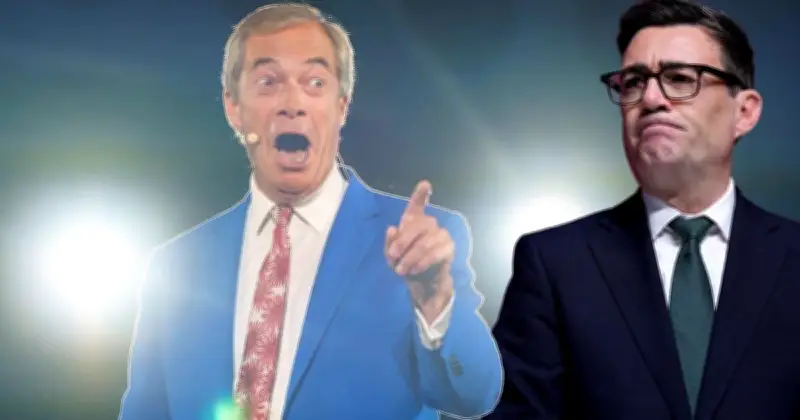
Nigel Farage has predicted the next general election will be held in May, despite Prime Minister Andy Burnham ruling out an early contest. The Reform UK leader made the forecast during a campaign-style visit to Redcar, a constituency he hopes to win from Labour.
Speaking to the Daily Express after meeting constituents in the seaside town, Farage was asked if he was ready for a snap election. "Look at me," he said. "I'm on the road!" He had been in Doncaster days earlier and has further destinations planned.
When asked when he thinks Burnham will call the election, Farage said: "May." He repeated: "It's coming in May," and added: "You watch."
Burnham's incentives and risks
The Prime Minister has clear reasons to go to the polls early, summed up in four words: it's downhill from here. Burnham has shed his image as a New Labour insider and recast himself as a maverick mayor, but that outsider status fades each time he enters Downing Street.
With average interest rates on a new five-year fixed mortgage deal hitting 6% for the first time in three years, Burnham is likely to be blamed when families cancel holidays or pull children out of clubs. Voters may also forget his VAT cut on electricity bills when winter price hikes take effect.
There is no cash for a spending splurge in this month's Budget, and the ongoing freeze in the tax threshold means Britons are watching the Treasury take a greater share of their income.
Poll ratings and the opposition threat
The latest YouGov poll puts Labour on 27%, ahead of Reform on 22% and the Conservatives on 20%. The longer Burnham delays an election, the greater the risk that Kemi Badenoch will succeed in detoxifying the Tories and Farage will use recent mega-donations to build a formidable communications and policy machine.
Burnham's conference speech sounded like an oration setting the stage for an election. If he wants to transform social care, the voting system and the country's relationship with Europe, why wait until 2029 to get a direct mandate?
However, the risks of an early election remain enormous. Voters would suspect he wants to hike taxes, hundreds of MPs could lose their seats, and Starmerites would accuse him of throwing away a landslide majority if Labour loses power. As he travels from Downing Street to Makerfield, he may decide that to turn his visions into reality, he must take the greatest gamble of his life.