Ariel Dorfman, who witnessed the fall of Chile's dictator Augusto Pinochet, says the 1988 plebiscite offers both hope and a warning for the United States as it approaches the November midterms.
Parallels with October 1988
Dorfman describes a malignant, unpopular president facing an election that could restrict his power, relying on a supine supreme court, executive decrees, fake news, oligarchic support, and control of the armed forces. He notes that none of this deterred an electorate determined to make itself heard. In October 1988, Pinochet insisted he would win a plebiscite on whether he would remain head of state for another eight years. On 5 October, he lost resoundingly, with 55.9% of Chileans voting against him.
Dorfman was present when the results were verified, when the vote count was suspended and an information blockade established, and when Air Force Gen Fernando Matthei publicly recognized the “no” vote had won, thwarting a potential auto-coup.
Warnings for the US
He draws a direct parallel to the US midterms, asking whether Americans can constrain a wannabe autocrat. He warns that the current president could attempt to disavow results, as Pinochet intended, and only heightened civilian vigilance and patriotic armed forces can guarantee democracy's survival.
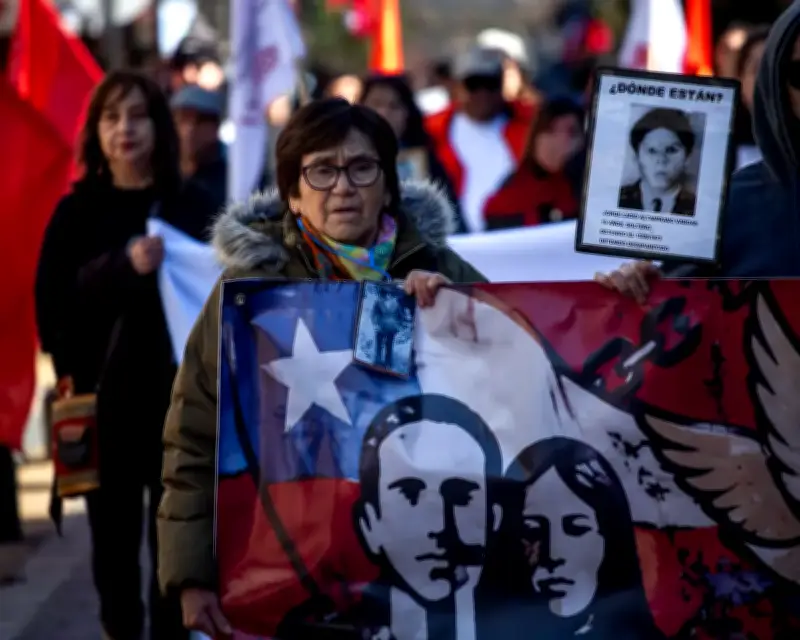
However, Dorfman cautions that removing Pinochet did not undo the damage he inflicted. Pinochet remained in power for another year and a half, then as army commander-in-chief for eight more years. More insidious was how he permanently changed Chilean society, dismantling the welfare state and spreading fear and mistrust.
Chile's enduring shadow
Despite progress, Pinochet's shadow looms over Chile. José Antonio Kast, an admirer of Pinochet, is now president, partly due to an economically distressed populace falling for his anti-immigrant platform and vows to deal with narco crime. Dorfman notes that 56% of voters were willing to overlook Kast's denial of past atrocities, a cause for concern and mourning.
Dorfman reflects on the erosion of the Chilean dream he embraced as a boy, and asks whether Americans are aware of the long-lasting harm of the Trump years. He urges a reckoning with the dark imperfections in US history and national character that enabled Trump, warning that without profound self-examination, the country may face a repetition of the current crisis.