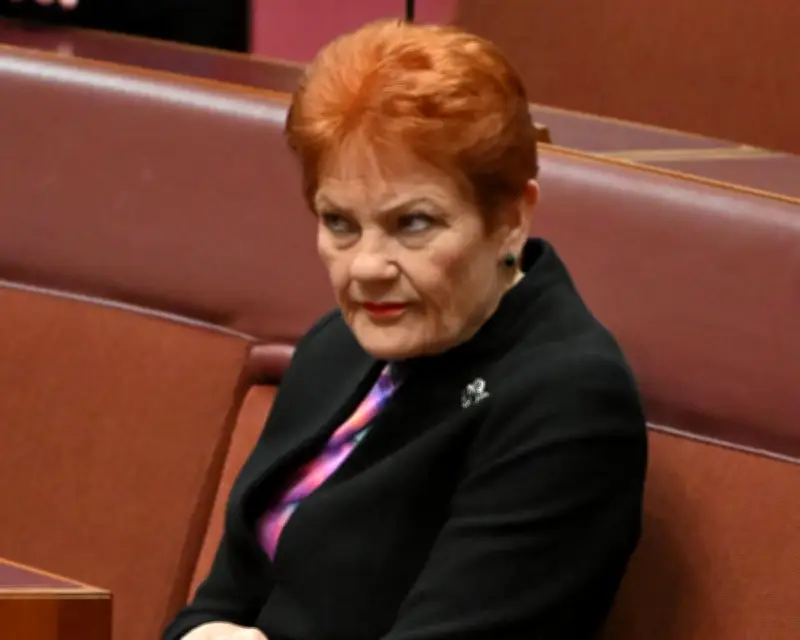
A quarter of the world's democracies are now led by authoritarian regimes, and almost none have media systems able to hold power to account, writes Julianne Schultz. Australia, facing this trend later than other countries, can learn from disasters elsewhere rather than following Pauline Hanson down her rabbit hole.
The Transformation of Political Communication
The political system has fundamentally changed due to an epochal transformation in communication. Chasing the 24/7 news cycle is no longer sufficient; it is a game designed for populists who are emotional, angry, personal, and ubiquitous. Traditional politicians and the media, once considered the fourth estate, struggle to compete. The old media system, regulated with professional norms for accuracy and independence, has been replaced by a business-political model that prioritizes influence and profit over accountability.
Populists and social media platforms now share a common approach: activating anger, fear, and threat to mobilize and monetize. Some of the world's richest people fund populists who thrive on volatility. According to the Reuters Institute, trust in media has plummeted to around 40% in most countries—25% in the US and slightly better in Australia.

The Deception of Populism
Liam Byrne, British Labour MP, writes in his book Why Populists Are Winning and How to Beat Them that populism's appeal is a simple trick: justifying anger at a rigged system but redirecting it toward migrants, minorities, and a strongman leader. However, data shows that economies under populist leaders shrink. Byrne identifies five categories of populist supporters: those wanting to burn the system, those feeling left behind, traditional conservatives, a melancholy middle, and civic pragmatists. These categories fit potential One Nation voters in Australia.
Traditional conservative parties suffer first, as seen with the Liberal and National parties, but the damage extends to all political discourse, replacing hope with cynicism and pessimism.
Australia's Position and Lessons
Australia faces populism later than other countries, partly due to the Rudd government's intervention during the global financial crisis. However, the Voice referendum showed Australians are susceptible to digital disinformation. The removal of Karl Stefanovic after he associated with far-right figures signals that change is possible. New rules and modes of communication, listening, and acting are needed to evolve representative democracy into a truly representative system that rewards courage and outcomes over rage and process.
Australia has refined its democratic system with universal suffrage, compulsory voting, fair electoral boundaries, and an independent judiciary and public service. But in an information age, information remains tightly held, special interests prevail, and the party system turns every debate into a zero-sum game, with less than 1% of citizens being party members.
Byrne concludes: 'Democracy dies when its defenders lose their nerve. Mainstream politics must connect with the surge tide of anger that populists rise and rebuild a radical centre... We cannot simply take shelter from the storm. We must sail the tempest.'