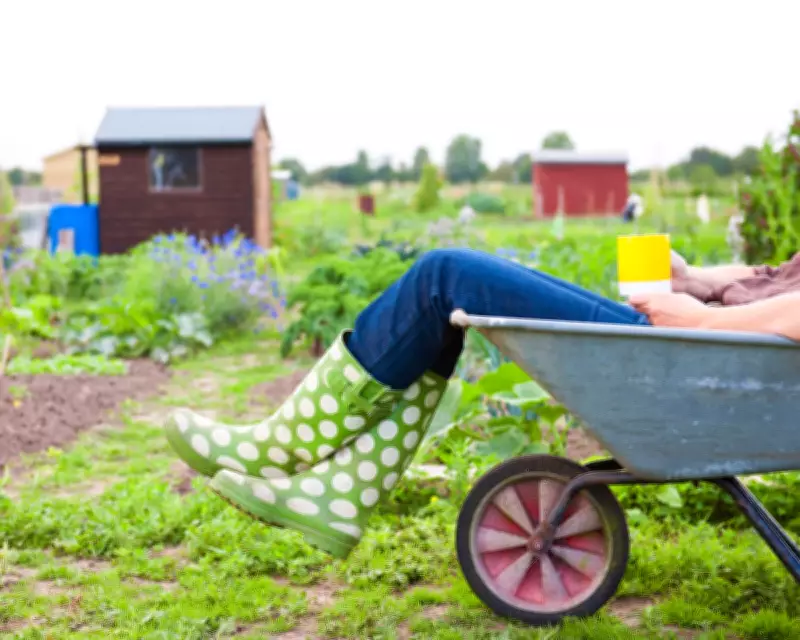
Community gardens are flourishing as people seek a positive, productive space beyond the political noise. Just don't express any strong opinions about gravel.
Escaping the World's Chaos
What do you do when it feels as if the world has lost the plot? One wholesome answer is to secure your own little plot of earth and cultivate your garden. But that's often easier said than done. In the UK, more than 170,000 people are reportedly on council allotment waiting lists. A controversial scheme nicknamed 'WeWork for allotments' has even emerged to rent out green space and fill the gaps.
In the US, where I live, the allotment situation seems better. It took me only a year to get a plot in a community garden near me in Philadelphia, which felt miraculous. Previously, I had been on a waiting list for a parking spot in New York with an estimated 25-year wait—though I can't drive, I thought that would give me time to learn. But I left New York long before moving up even one spot.

The Rules of the Garden
During the introductory tour of our local garden, I understood why the waiting list moved quickly. The neighbourhood leadership team enforces strict rules. If your area becomes unruly, you receive two warning letters before eviction. This might deter others, but I was delighted. The more chaotic the world becomes, the more I crave rules and order. Perhaps this is why people turn to fascism—imagine if they sought stability in allotment governance instead of authoritarian leaders.
Garden Politics and Vendettas
While I took up gardening to escape politics, shared green space can be surprisingly political. 'The main demographic is older white women with vendettas against each other,' a fellow gardener told me. 'But if you don't have strong opinions on gravel, then you should be OK.' One neighbour spoke at length about being wrongly accused of stealing tomatoes.
So, please root for me. Despite my love of a good vendetta, I'm going to do my best to avoid conflict and cultivate peas on earth.