
The National Science Foundation (NSF) suspended at least 18 research grants to UC Berkeley in April, despite a court injunction restricting such suspensions, according to an attorney representing university scientists in a class action lawsuit. The NSF declined to comment on the suspensions.
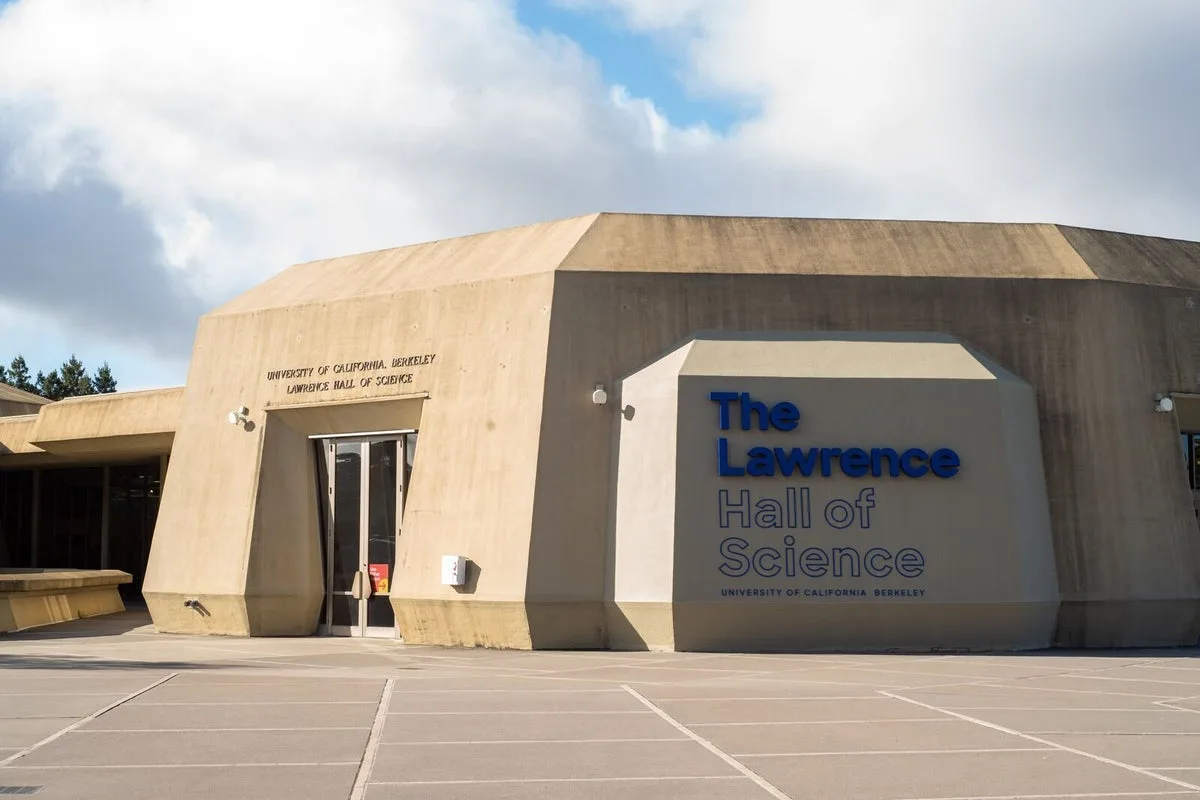
Among the affected grants is a $1.4 million project for mixed-reality exhibits at the Lawrence Hall of Science showcasing Indigenous Ohlone knowledge about the natural world. Jedda Foreman, an associate director at the hall, said the NSF had previously cancelled the grant but was compelled by a federal court order to restore it. On April 17, Foreman's team received an email from UC Berkeley's vice chancellor of research stating that the NSF had suspended the grant due to concerns about 'foreign funding.' Foreman said the Lawrence Hall of Science had not received any foreign funding for the project.
Claudia Polsky, a law professor representing the researchers, said the suspensions may violate a court order issued last June by U.S. District Judge Rita Lin. That order restored grants cancelled by the NSF, Environmental Protection Agency and National Endowment for the Humanities, and barred agencies from revoking funds using form letters lacking specific explanations or due to anti-DEI executive orders. Judge Lin later intervened again after the NSF froze hundreds of grants.
UC Berkeley spokesperson Dan Mogulof said the university 'is engaged with the government on matters pertaining to research grants, and remains committed to compliance with all federal laws, rules and regulations.' He declined to provide further details on the affected grants or financial impact.
The University of California received $525 million in NSF grants in the 2024-25 budget year, but funding has become volatile under the second Trump administration. The NSF has terminated nearly 2,000 grants nationwide, and President Trump recently fired all 22 members of the independent board overseeing the agency. He is also proposing to cut the NSF's budget by more than half by 2027.
Foreman expressed hope that the project, which includes exhibits co-designed with Ohlone youth and scheduled to open May 17, would continue. 'We’re doing a lot of hoping and finger-crossing that something works out,' she said. 'It was such a powerful project and we really want to be able to share what we’ve learned.'




