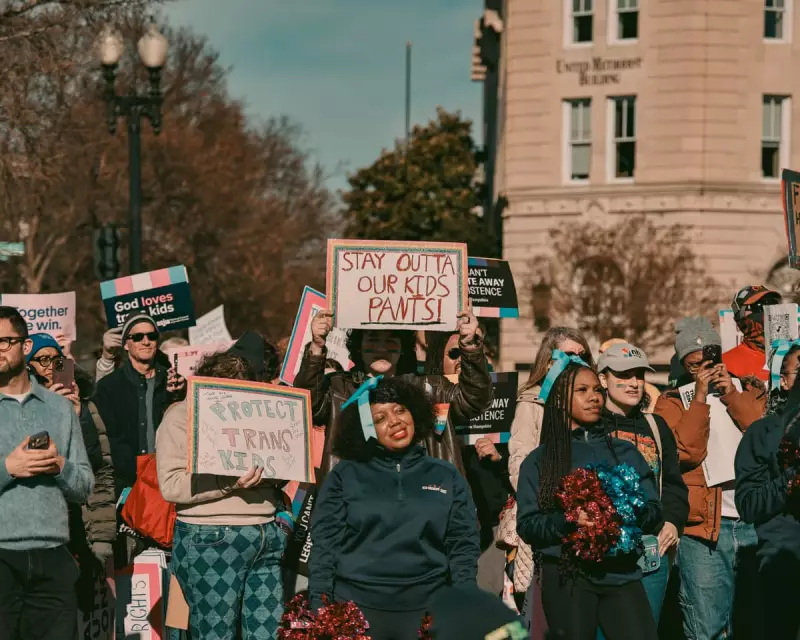
The United States Supreme Court has agreed to hear a landmark case that will determine the legality of state laws banning transgender students from participating in school sports teams consistent with their gender identity. This pivotal decision, expected in the court's next term, will have profound implications for transgender athletes across the nation.
The Heart of the Legal Challenge
The case centres on a West Virginia law, passed in 2021, which prohibits transgender girls from competing on female sports teams in public schools and universities. The law, known as the Save Women's Sports Act, was challenged by a transgender girl identified in court documents as Becky Pepper-Jackson. Supported by the American Civil Liberties Union (ACLU), she argues the ban violates Title IX, the federal law prohibiting sex-based discrimination in education.
Becky, who began identifying as a girl and using hormone therapy in the fifth grade, has been barred from joining her middle school's girls' cross-country and track teams. Her legal team contends the law is discriminatory and causes significant harm to transgender student athletes seeking inclusion. The Biden administration has backed this stance, asserting that such bans are unlawful under federal anti-discrimination statutes.

A Nationwide Patchwork of Policies
West Virginia is one of over 20 states that have enacted laws restricting transgender students' participation in sports. The legal landscape is currently a patchwork, with different federal appeals courts issuing conflicting rulings. The 4th US Circuit Court of Appeals ruled in favour of Becky Pepper-Jackson, blocking the West Virginia law. However, other circuits have upheld similar bans, creating a legal inconsistency that only the Supreme Court can resolve.
Proponents of the bans, including West Virginia's Republican Attorney General Patrick Morrisey, argue they are necessary to ensure fairness and safety in women's sports. They maintain that physiological differences give transgender girls an unfair advantage. This case will force the nation's highest court to weigh these concerns against the rights and protections afforded to transgender students under federal law.
Broader Implications for LGBTQ+ Rights
The Supreme Court's decision will extend far beyond the track or the playing field. It represents a critical moment for LGBTQ+ rights in America, coming after years of both advancement and backlash. A ruling could fundamentally clarify the scope of Title IX and set a precedent affecting other state laws targeting transgender individuals, including those regulating access to healthcare and public facilities.
Advocacy groups on both sides are preparing for a monumental battle. Transgender rights organisations warn that an upholding of the ban would legitimise discrimination and cause deep psychological harm to vulnerable young people. Meanwhile, groups supporting the restrictions frame the case as essential for protecting the integrity of women's sports. The outcome, expected by June 2026, will undoubtedly shape the national conversation on gender, identity, and equality for years to come.