
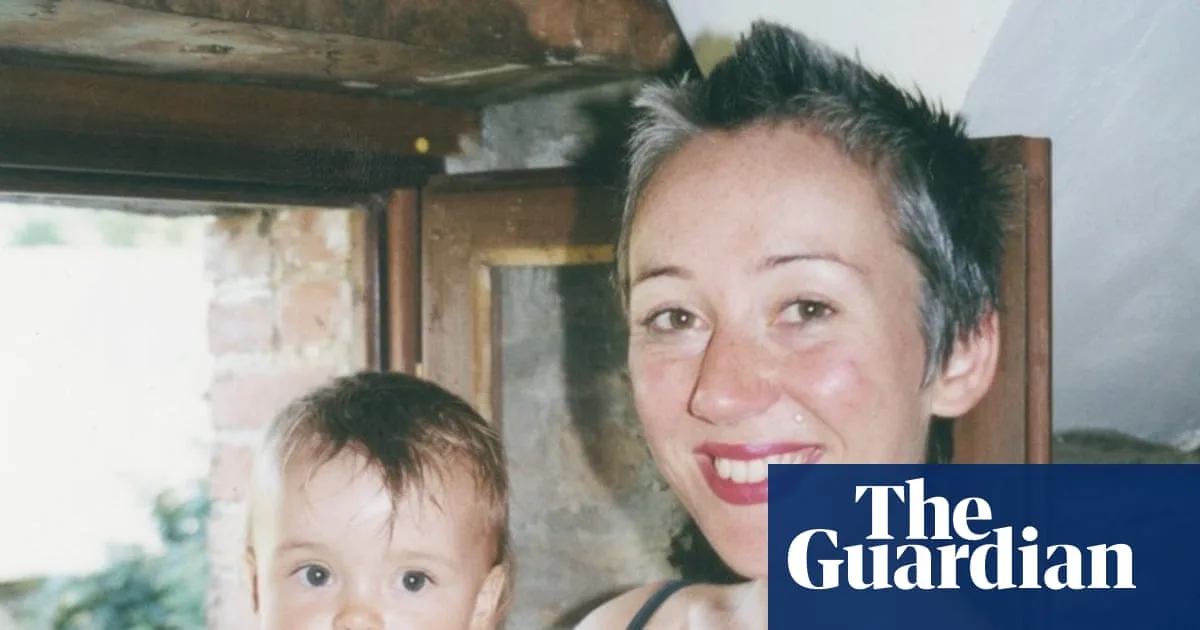
In November 2000, two weeks after giving birth to her first child, a woman found herself collapsed in bed, breastfeeding in front of Top of the Pops. Seeing Madonna on screen, who had given birth only three months earlier, she felt a mix of inspiration, resentment and pity. As the weeks passed, she began to venture out with her baby, but the constant attention and idealisation around motherhood became exhausting.
Seeking to save time on haircare and escape the 'lovely lady' projection, she visited a barber and asked for a number-two buzz cut. The barber seemed reluctant, but she insisted, saying she was tired of looking 'like a mum'. The cut took less than five minutes, and she felt euphoric, going from Virgin Mary to badass Alien-destroyer.
However, within 48 hours, the bubble burst. Standing with her pram at a tube station staircase, no one stopped to help. The next day, trying to buy coffee, she felt invisible. When she complained about waiting, the barista was curt. She had got what she wanted, but it was terrible. She moped around, envying women with any hair length over three inches.
She quickly discovered that life is much harder for women without swishy hair. Dropping one key marker of femininity meant strangers treated her very differently: being femme-presenting had brought help and approval, while looking grrrr meant being ignored or labelled stroppy. A few minutes in a barber's chair had completely changed who she was for others.
Hair grows, and soon she was once again sashaying through pre-opened doors. Now she has waist-length white hair. But her temporary privilege dip gave her a glimpse into what it might be like to be ignored, excluded or feared on the grounds of appearance alone.




