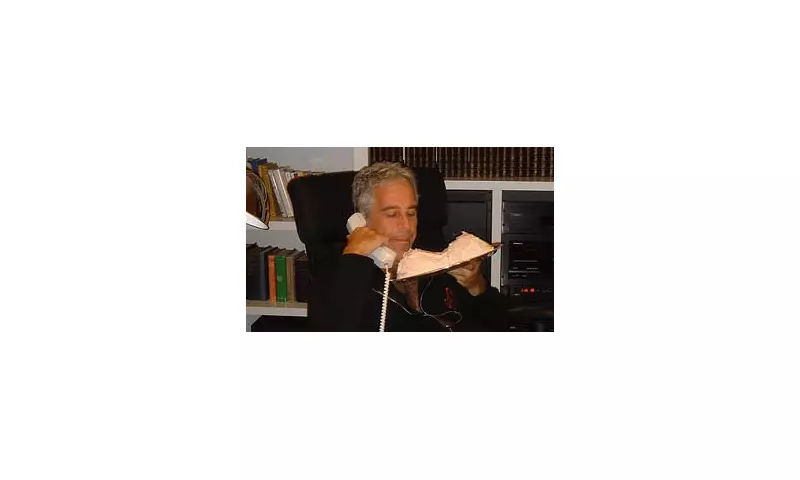
The long-awaited release of documents related to the Jeffrey Epstein case has sparked significant public anger and accusations of obfuscation against the US Department of Justice (DOJ).
Files made public on Friday were expected to shed new light on the network of the convicted sex offender, who died in a New York jail cell in 2019. Instead, the disclosure has been met with widespread frustration as many of the documents have been entirely redacted, appearing as pages of solid black text.
Legal Stipulations Ignored in Epstein Document Release
The release was governed by a specific law that set clear guidelines on permissible redactions. A key stipulation explicitly forbade withholding information solely because it might ’embarrass’ a government official or public figure. Despite this legal framework, the DOJ has been accused of censoring entire documents, leaving no identifiable information visible.

To facilitate public access, the DOJ announced a dedicated, searchable website. However, expectations of immediate bombshell revelations were quickly dashed. The site’s search function was reported as non-functional at launch, forcing journalists and interested members of the public to manually sift through hundreds of thousands of pages.
Widespread Public and Social Media Backlash
Reaction on social media platforms was swift and scathing. Users expressed profound disappointment and anger at the scale of the redactions. One individual highlighted the absurdity by noting, ‘One of the Epstein documents is just 100 straight pages of entirely redacted pdf. Just black rectangles. No gaps.’
Another user raged, ‘The world is ran by a pedo elite but the general public will likely never know the full story. 90% of the released Epstein files are fully redacted.’ The sentiment that the move represented a fundamental lack of transparency was echoed widely, with comments like, ‘No way this is real. The whole thing is [redacted]. This isn't "releasing" anything, this is lack of transparency.’
Prominent figures also encountered the issue. Liberal influencer Brian Krassenstein stated on X that he opened a file pertaining to Ghislaine Maxwell’s trial only to find it completely redacted. Further scrutiny revealed that numerous images within the document trove were also blacked out.
A Transparency Failure with Lasting Repercussions
The episode represents a significant transparency failure for the Department of Justice. By releasing documents in such a heavily censored state—appearing to contravene its own legal guidelines—the DOJ has undermined public trust and fueled conspiracy theories.
The public, who had anticipated clarity and accountability, is left with more questions than answers. This handling of the Jeffrey Epstein files ensures the scandal’s shadow will linger, with the full story potentially remaining hidden behind those black rectangles.