
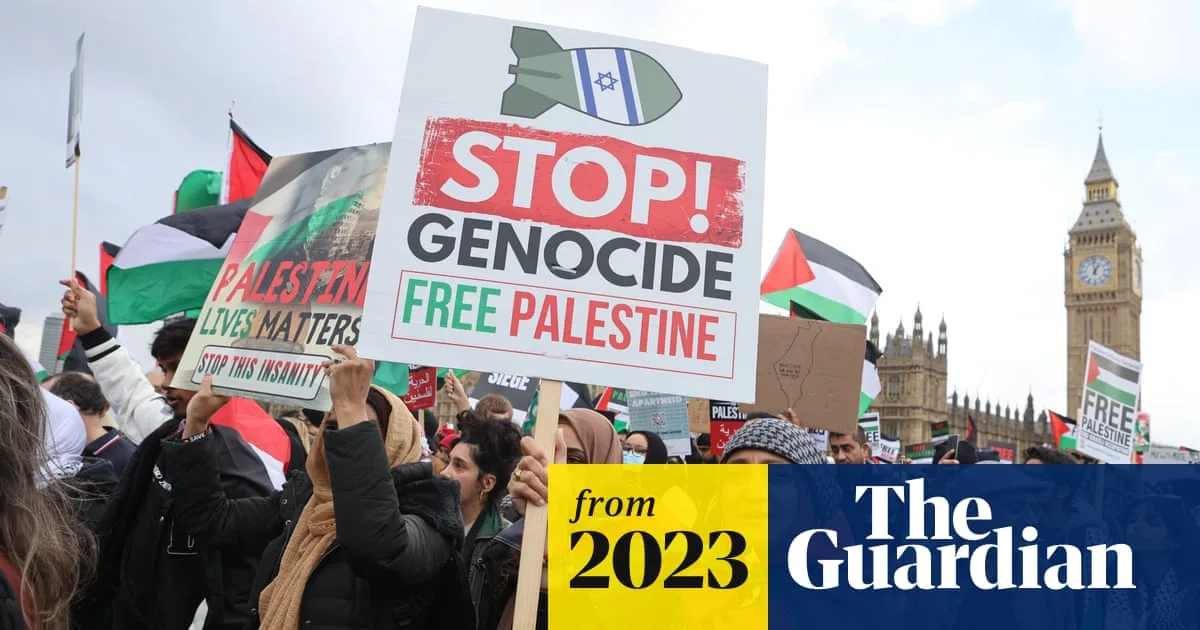
The Metropolitan Police has resisted calls to ban a pro-Palestine march planned for Armistice Day in London, despite pressure from the government. Justice Secretary Alex Chalk urged organisers to postpone the event, warning that even those without malicious intent risk supporting extremists at a sensitive time. Conservative MP James Sunderland demanded the government ensure no protest nears the Cenotaph, though the march route runs from Hyde Park to the US embassy, avoiding the war memorial.
Home Secretary Suella Braverman described the protest as a 'hate march', while Labour's Yvette Cooper declined to say whether it should be banned. Shadow minister Imran Hussain resigned from the front bench to advocate for a ceasefire. Metropolitan Police Commissioner Sir Mark Rowley stated that the threshold for a ban had not been met, but faces significant pressure to reconsider. No march of this size has ever been banned before.
The weekly pro-Palestine demonstrations began after Hamas's 7 October attack, which killed over 1,400 Israelis, and have continued in response to Israel's military operations in Gaza. Organisers estimate half a million attendees at the largest rally, while police put the figure at 70,000. Critics accuse marchers of condoning Hamas's attack and cite incidents of antisemitism, though participants deny such claims.
The debate highlights tensions between free speech and public order, with the government pushing for a ban amid concerns over extremism. The Metropolitan Police's decision will be closely watched as Armistice Day approaches.




