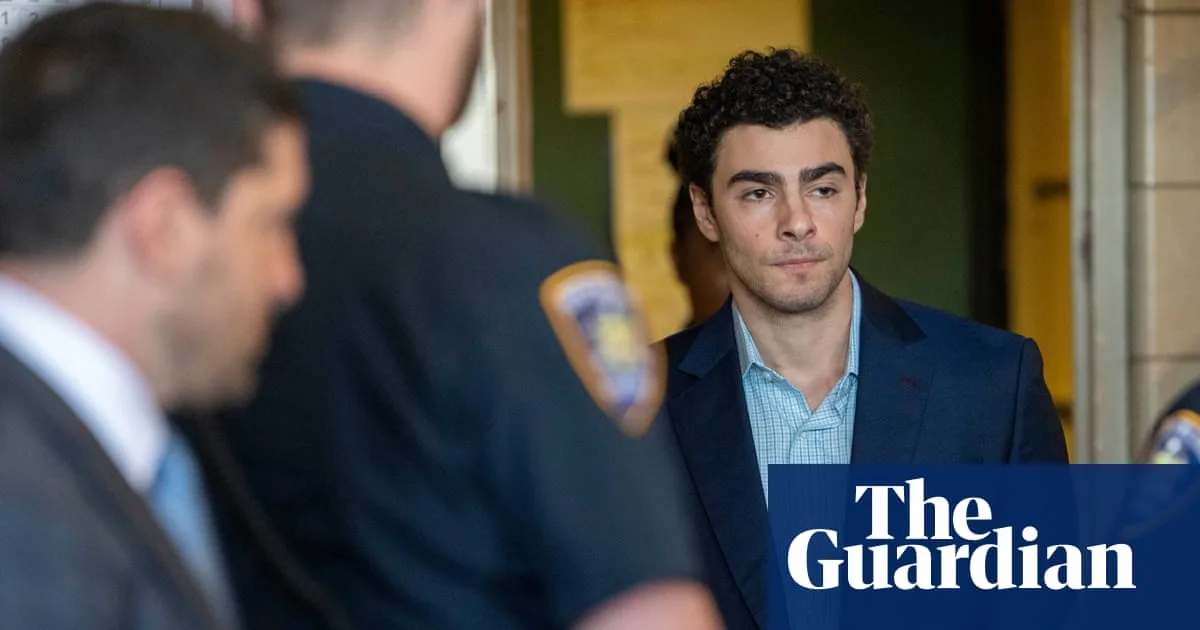
On what felt like an early New York City summer day, a group of young women gathered outside Manhattan's criminal courthouse last week, expressing strong opinions about Luigi Mangione and the man he is accused of murdering. One woman, wearing a button with Mangione's face, directed expletives at the late UnitedHealthcare CEO Brian Thompson and his mother. Another said Thompson's children were 'better off without him' and told them to 'enjoy the blood money.' A third woman questioned the erosion of democracy and the lack of options, though she stopped short of advocating violence.
Such commentary has become common among Mangione supporters who attend his court appearances. However, some of these backers, including the three women quoted—Abril Rios, Ashley Rojas, and Lena Weissbrot—have obtained New York City-issued press credentials. They showed off their credentials outside court and even posed for a photo.
The Controversy Over Press Credentials
City-issued credentials are not golden tickets to unfettered access, but they provide privileges such as passage across police and fire lines, reserved seating in court, and permission to use laptops. The Guardian reported months ago that several Mangione supporters had secured press credentials. City officials took notice this week when the trio's comments went viral.
City council member David Carr stated, according to the New York Post, that while people have the freedom to say whatever they want, these 'deranged homicide-fan girls' should never be allowed access to courtrooms or official press events with the city's imprimatur.
The mayor's office for media and entertainment (MOME) insisted that requirements have not changed since Zohran Mamdani took office. Senior spokesperson Dora Pekec said the administration is reassessing the city's process and standards for press credentialing. Mamdani, who has been criticized for favoring influencers over traditional media, noted that the three individuals in question do not fall within the debate about where a press pass should extend.
Defining a Journalist
The controversy has renewed discussion about what constitutes legitimate press for credentialing purposes. Is social media a form of media that merits a credential? Who makes that call and how? Roy Gutterman, director of the Tully Center for Free Speech at Syracuse University, said that government agencies deciding who is a journalist can be concerning. He noted that the blurring of lines between activism and journalism is a troubling trend, and if legitimate reporters are being denied access because activists are getting access, it is problematic.
New York City officials have a history of making unconstitutional credentialing decisions. In 2008, three bloggers sued the NYPD after their press credential applications were denied. They alleged the rejections were because they were from online or alternative news organizations. The NYPD later agreed to grant them credentials. Civil rights attorney Norman Siegel, who represented the bloggers, said it is very hard to define a journalist, and the best they could do was to establish objective standards.
Historical Context and Current Issues
Hostility toward certain journalists came to a head during former mayor Bill de Blasio's administration, as the NYPD routinely denied or revoked press credentials for journalists they disliked. Veteran defense attorney Ron Kuby said the NYPD would sometimes arrest journalists while they were gathering news, use the false arrest to revoke their credentials, and refuse to reinstate them after charges were dismissed. In 2021, city hall moved credentialing from the NYPD to the mayor's office.
MOME also issues event-specific credentials. Between February 2025 and April 2026, 32 event-specific credentials for Mangione court proceedings were issued to self-described independent journalists. These credentials potentially give non-journalist content creators seating and computer access that working journalists need, worsening access issues.
Kuby pointed out that unpopular commentary is not the same as inappropriate conduct, and the First Amendment protects journalism that the government may not like. Siegel suggested that if the current credentialing system creates systemic logistical problems, Mamdani should convene with press representatives and city attorneys to revisit objective standards. Both Kuby and Siegel proposed an overflow courtroom with closed-circuit video to ensure adequate access for press and public.
Mangione will face a state-level trial on 8 September for allegedly gunning down Thompson in Midtown Manhattan on 4 December 2024. He also faces a federal trial related to the killing and has pleaded not guilty in both cases. Rios maintains she is a member of the media, posting on Monday that she works in social media, which is also press.






