Several major retail chains across the United States have begun deploying automated license plate readers (ALPR) at their stores as part of a broader effort to curb theft, but the move has ignited privacy concerns among experts and consumers alike.
Retailers Turn to ALPR Technology
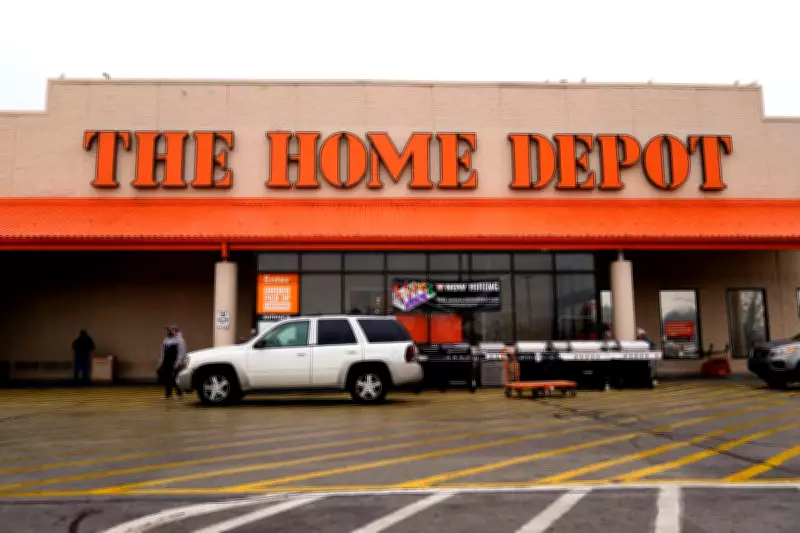
Home Depot, Lowe's, and Walmart are among the big-box retailers implementing this surveillance technology at select locations. ALPR systems capture images of vehicles and their license plates upon arrival, recording the date, time, and general location. Lowe's states on its website that stores equipped with ALPR have cameras that “automatically capture images of vehicles and their license plates, along with the date, time and general location.” Home Depot notes that it may “collect and use ALPR information for fraud prevention, security, and asset protection purposes.”
Privacy Concerns Raised
While theft remains a persistent issue for retailers, experts caution that the use of ALPR by private companies lacks the stringent oversight applied to law enforcement. Kimberly Przeslowki, a criminal justice assistant professor at Quinnipiac University, told NBC News Connecticut: “They’re not held to the same standards as law enforcement. The legal frameworks differ quite a bit when it comes to oversight mechanisms, accountability, and data retention.” Unlike police departments, which often have strict policies on how long they can retain license plate data, private companies may store information indefinitely or use it for purposes beyond security.

How ALPR Works
The ALPR system does not independently catch shoplifters. Instead, it records vehicles entering the property or driving by a store. If a theft is later reported, retailers can cross-reference the data to identify which vehicles were present at the time and share that information with investigators. The technology also aids police in identifying repeat offenders or organized theft rings.
Data Sharing Policies
Both Lowe's and Home Depot assert that they do not sell or share ALPR-collected information with third parties. Lowe's writes on its website that it “only discloses your personal information if required by law or legal process.” In a statement to The Independent, a Home Depot spokesperson said: “We've had parking area security cameras in place at our stores for many years, as many retailers do. These cameras are used solely as a security measure to prevent theft and protect the safety of our customers and associates in our stores. We do not grant access to our license plate readers to federal law enforcement.” The Independent has also reached out to Lowe's for further comment.
Walmart's Implementation
Walmart has also adopted ALPR technology, with at least one store in Nevada using license plate readers, according to The U.S. Sun. The Churchill County Sheriff's Office told the outlet that the cameras capture images of license plates on vehicles traveling on public roads and then check the plates against law enforcement databases. Authorities said the system “helps officers quickly identify vehicles connected to crimes, improving response times and public safety.” They emphasized that the cameras only capture “license plate numbers and basic vehicle information” and are used solely for law enforcement purposes, adding that the systems “do not track individuals, access personal driver information, or monitor people beyond what is visible on a public roadway.” Walmart notes on its website that it uses ALPR “to help ensure security, prevent theft and fraud, assist with parking enforcement, and to help maintain the safety of individuals and properties.” The Independent has contacted Walmart for more information.
As retailers continue to deploy ALPR technology, the balance between security and privacy remains a contentious issue, with calls for clearer regulations and transparency in how data is collected, stored, and used.