
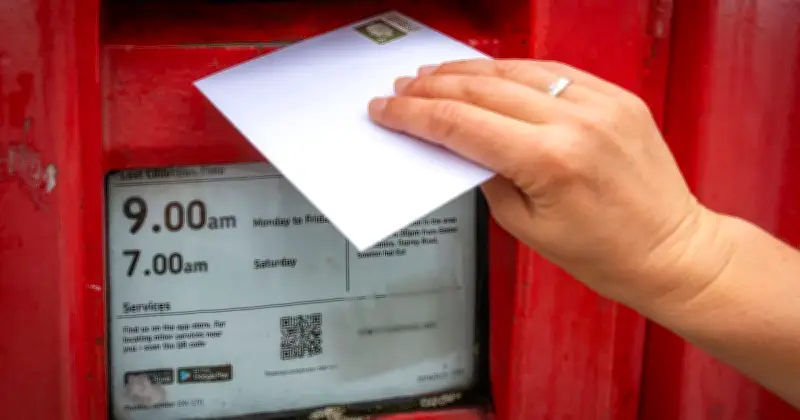
Finding your post has been opened by someone else can feel like a major invasion of privacy, and it may raise questions about whether a criminal offence has been committed. The key point is that context matters. The law offers protections, but not every mix-up automatically becomes a police matter.
What the law says
The main law in play is the Postal Services Act 2000. UK legislation says it can be an offence to intentionally open a “postal packet” while it is still “in transmission”, if there’s no reasonable excuse. There is also a separate offence where someone opens an item they know - or reasonably suspect - was wrongly delivered to them. To qualify, it must be opened without reasonable excuse and with the intention of acting to the recipient’s detriment.
That means an honest mistake is not necessarily criminal. If a neighbour opens something thinking it’s theirs and stops once they realise, that may not meet the legal tests. The wording of the Act is important because it sets out specific requirements, including intention, knowledge or suspicion about incorrect delivery, and the lack of a reasonable excuse.
What counts as “in transmission”?
The Government’s legislation explains that a postal packet is in transmission from the point it is posted until it is delivered to the person it is addressed to. This is where parcels can get complicated. A neighbour might have accepted a delivery on your behalf, rather than receiving it by mistake. In those cases, the legal position may depend on exactly how the parcel ended up with them and what happened next. The Postal Services Act uses the term “postal packet”, but the facts of the handover can matter when assessing whether an item was still in transit.
Privacy and next steps
Even if it doesn’t reach the threshold for a criminal offence, there can still be privacy concerns. Citizens Advice notes that Article 8 of the Human Rights Act relates to respect for private and family life, the home and correspondence, although it mainly applies to public authorities rather than private individuals.
If this happens more than once, it helps to start keeping a clear record. Citizens Advice guidance on neighbour disputes recommends noting dates, what was opened, and saving any written messages, as this can help if the issue escalates. Where it feels safe, a first step is often to speak to the neighbour or put it in writing. Citizens Advice says talking is often the best starting point, and mediation can be an option if communication breaks down.
If you believe the opening was deliberate, repeated or linked to intimidation, it may be time to involve the authorities. Citizens Advice advises contacting police where a neighbour is breaking the law, and getting specialist legal advice if the dispute cannot be resolved. You can also take steps to reduce the risk of it happening again. Citizens Advice says Royal Mail customers may be able to change delivery preferences, including options that can limit parcels being left with neighbours in some circumstances.




