The Labour government's plan to introduce an official definition of 'anti-Muslim hostility' is facing severe criticism, with warnings it could severely undermine free speech and exacerbate existing problems of 'two-tier policing'.
Free Speech Under Threat
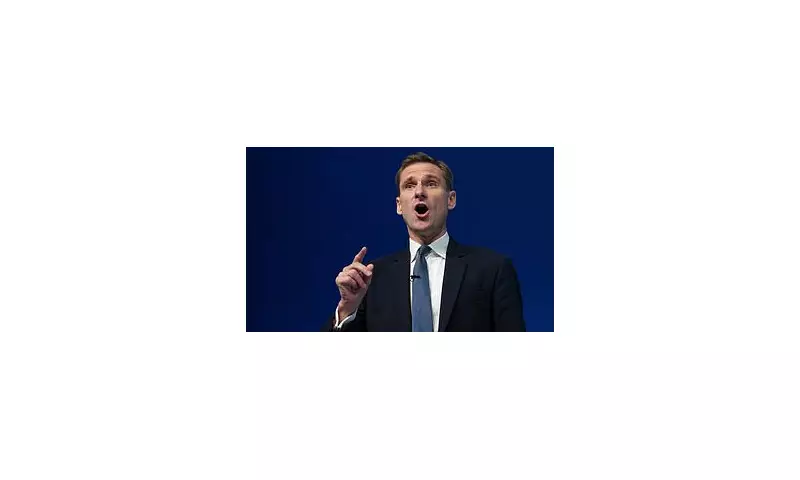
Shadow Home Secretary Chris Philp has led the charge, stating the proposed definition would effectively give a 'green light' to Islamist extremists. He argues they could use it to pressure police into acting against critics of their views. This, he claims, poses a direct threat to one of democracy's foundational pillars. 'Free speech is one of the foundations of a democratic society and the Government's plans undermine that,' Mr Philp asserted. He warned the result would be more innocent people facing harassment for debating political Islam or the religion itself.
These concerns are amplified in a new report from the think-tank Policy Exchange, published earlier this week. The report concludes that the term 'anti-Muslim hostility' is potentially 'more dangerous' than Labour's earlier, abandoned plans for an 'Islamophobia' definition. The authors argue that because 'hostility' can dictionary-defined as simply 'not liking' or 'being opposed to' something, the definition is excessively broad.

Legal Challenges and 'Thought Control' Warnings
The backlash is not just rhetorical. Lord Young, director of the Free Speech Union (FSU), confirmed his organisation would 'almost certainly' mount a legal challenge if the government proceeds. He warned the definition would have a 'deeply chilling effect', making anyone criticising actions by Muslims or Islamic regimes like Iran vulnerable to accusations of bigotry.
This perspective is supported by Baroness Falkner, former chairwoman of the Equality and Human Rights Commission. She endorsed the Policy Exchange report, cautioning that the 'dangerous and divisive' proposal could create a 'free speech and thought control problem'. She described the plans as 'even worse than anticipated'.
Risks of 'Non-Crime Hate Incidents Mark Two'
A major practical fear is that the definition could become a new tool for recording 'non-crime hate incidents'. The report's co-author, Andrew Gilligan, labelled it 'non-crime hate incidents on stilts'. He argued it would not reduce the risks of an 'Islamophobia' definition but would instead concentrate them, providing a mechanism for Islamist groups to silence critics and distort political debate on issues like immigration and counter-terrorism.
This comes as police chiefs consider scrapping the controversial 'non-crime hate incident' system, which has previously seen individuals investigated for remarks deemed offensive. The new definition, critics say, could simply resurrect this framework specifically for cases involving Muslims.
The policy is being finalised by Communities Secretary Steve Reed, based on advice from an advisory group led by former Tory attorney general Dominic Grieve. Plans to shift from 'Islamophobia' to 'anti-Muslim hostility' were partially leaked to the BBC in December but remain unpublished. It is unclear if the proposal has full consensus within the Labour party, with Home Secretary Shabana Mahmood having previously expressed reservations, suggesting safety lies in everyone being 'subject to the same law'.