
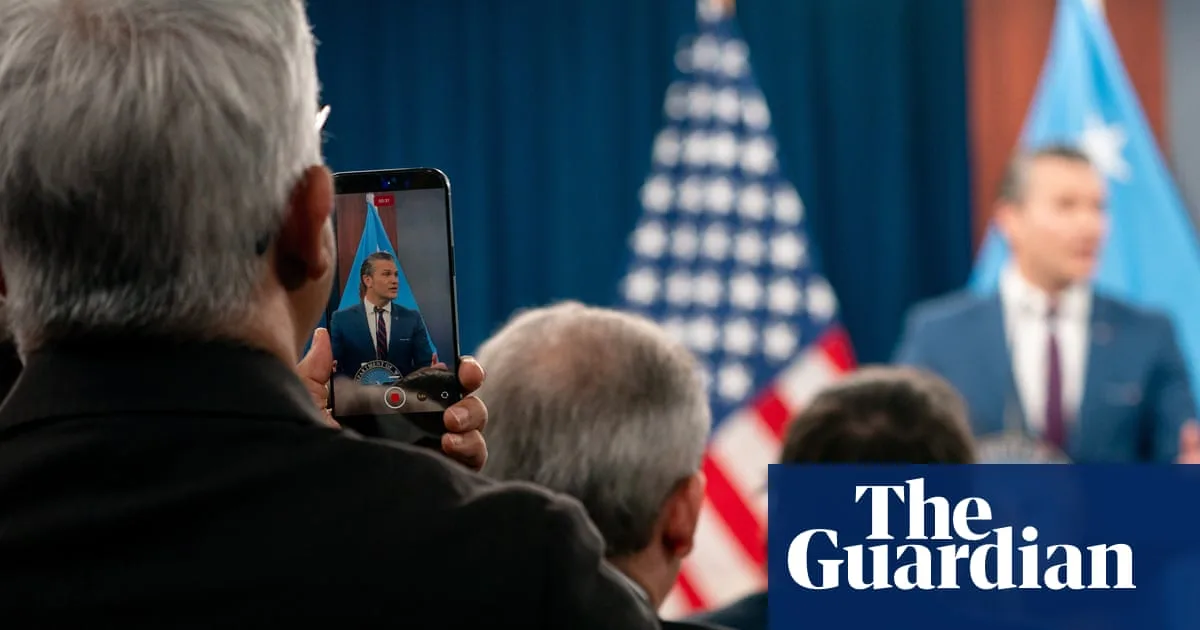
A federal judge has blocked key parts of the Pentagon's press access policy, ruling it unconstitutional after a lawsuit by the New York Times. The policy, introduced in October, barred journalists from soliciting information not directly provided by the defence department and revoked credentials of outlets that refused to sign.
District Judge Paul Friedman wrote that the First Amendment protects press freedom and that national security requires an informed public. He noted the importance of diverse perspectives, especially given US military actions in Venezuela and Iran. The Pentagon argued the policy was necessary to protect the military, but Friedman disagreed.
The New York Times lawsuit alleged the policy gave the administration unchecked power to punish reporters and outlets over unfavourable coverage. Of 56 outlets in the Pentagon Press Association, only one signed. The Pentagon later assembled a new press corps of pro-Trump outlets.
Pentagon spokesperson Sean Parnell said the administration is pursuing an immediate appeal. Journalism advocates praised the ruling, with Seth Stern of the Freedom of the Press Foundation calling the policy a 'sweeping prior restraint'. The New York Times said the ruling reaffirms the right of independent media to ask questions on the public's behalf.




