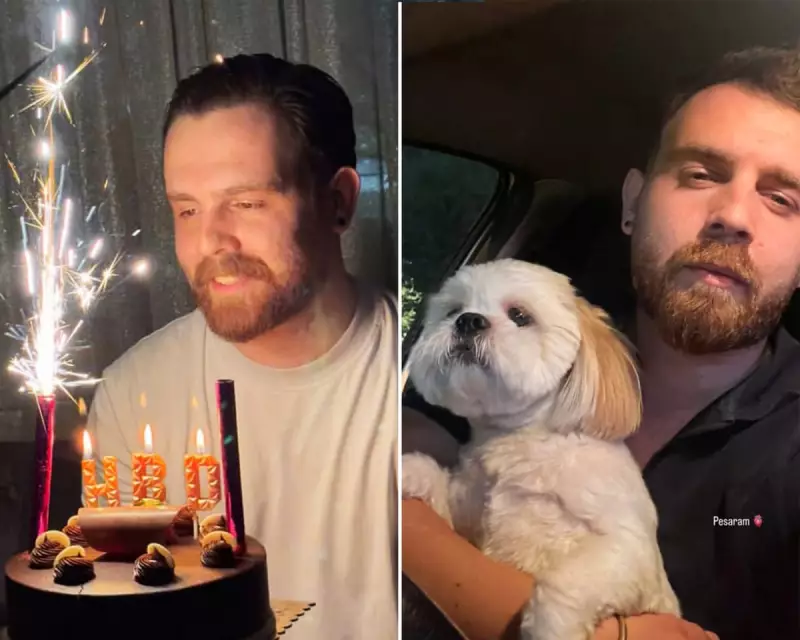
The family of Erfan Soltani, the first protester sentenced to death in Iran's recent unrest, has received a temporary reprieve after being informed his execution has been postponed. The 26-year-old clothing shop employee was due to be executed on Wednesday, just days after his arrest.
A Family's Agonising Wait
For Soltani's relatives, the days leading to the scheduled execution were filled with dread and sleepless nights. Somayeh, a 45-year-old close family member living abroad, revealed the profound distress, stating she had not slept for two days. The family stayed awake until dawn, knowing Iranian authorities often carry out executions around the morning call to prayer.
"I can’t stop thinking about Erfan. The uncertainty is killing me," Somayeh said through tears. "How can anyone have the heart to put a rope round the neck of such a kind child and send him to die?"

Prison officials called the family hours after the scheduled execution time on Wednesday to announce the postponement, offering no further details or explanation. Soltani's family had received little information since his arrest last Thursday in Karaj, a city north-west of Tehran, besides a brief, scheduled prison visit.
A Symbol of Defiance and a Swift Sentence
Erfan Soltani has become a symbol of defiance for activists as Iranian authorities intensify their crackdown on nationwide protests. His case highlights the alarming speed of the judicial process. Soltani was sentenced to death just four days after his arrest, a timeframe rights activists say deprived him of any due process.
According to the Norway-based Hengaw Organization for Human Rights, Soltani was denied access to a lawyer and legal defence. Rights monitors state Iran frequently sentences protesters in trials lasting mere minutes.
The protests, which began on 28 December after a sudden currency devaluation, have since spread nationwide, evolving into demands for political reform. The crackdown has been severe: more than 18,000 people have been arrested and at least 2,571 killed in the last two weeks, according to the US-based Human Rights Activists news agency.
International Condemnation and Fears of More Executions
Rights groups, including Amnesty International, have urgently called on Iran to halt Soltani's execution and those of other detained protesters. They fear authorities are using swift trials and arbitrary executions to crush dissent. This concern was echoed by Iran's own chief justice, who signalled on Wednesday that trials and executions would be swift, telling state media "we should do it now" to deter protesters.
Other judicial officials have stated protesters would be charged as "enemies of God", a crime punishable by death. The scale of capital punishment in Iran is stark; the group Iran Human Rights reported the country executed at least 1,500 people last year.
Somayeh passionately defended her relative, describing him as a peaceful participant. "Our Erfan is a kid who is innocent and peacefully wants to exercise his rights. That’s all he did. Joined his compatriots to peacefully protest."
She painted a picture of a gentle young man, passionate about fashion, fitness, and the Tehran football club Persepolis FC. His family remembered him as "the most loving brother" and his "mother’s best friend".
"He is someone so dear to my heart, a brave child, a child who would never resort to violence, an incredibly calm and wonderful soul," Somayeh pleaded. "Please, world, help save our child."
With an ongoing internet blackout in Iran, rights groups fear many similar cases remain unknown, making Soltani's postponed execution a critical focal point in the international response to Iran's protest crackdown.