
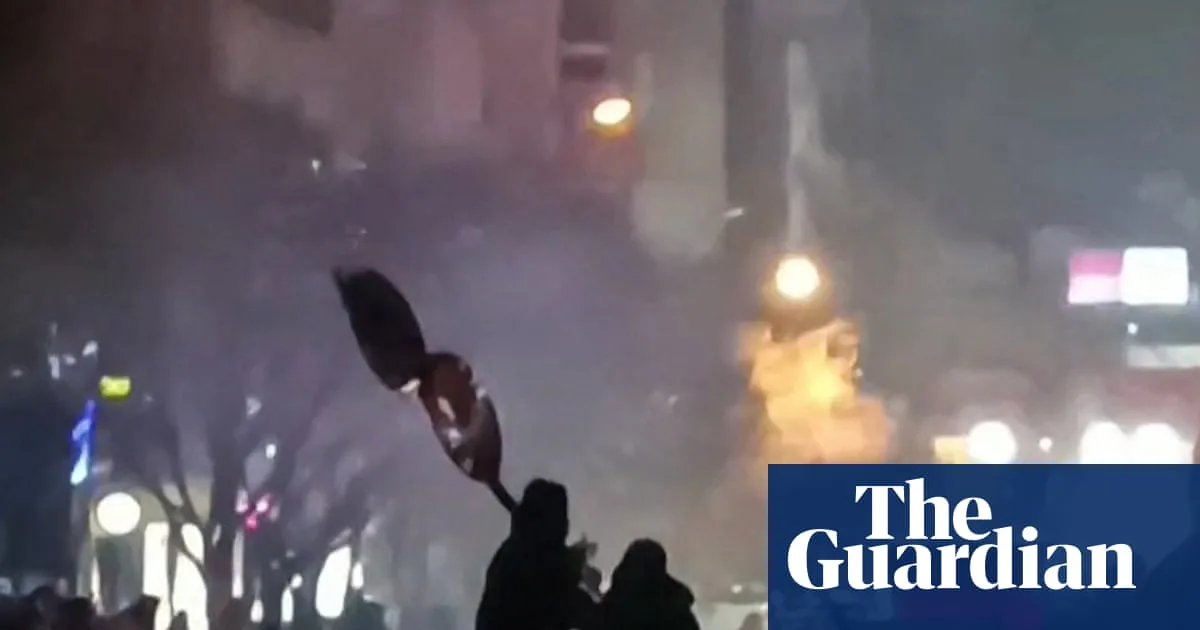
Iran was plunged into a complete internet blackout on Thursday night as protests over economic conditions spread across all 31 provinces. The cause of the outage was unclear, but authorities have previously shut down internet access during demonstrations. The Norway-based group Iran Human Rights (IHR) said at least 45 protesters, including eight children, had been killed by security forces since the unrest began in late December.
Earlier on Thursday, NetBlocks reported outages in the western city of Kermanshah. Shopkeepers in Kurdish regions and dozens of other cities closed their doors in response to a general strike call by seven Kurdish political groups. The Hengaw rights group posted footage of shuttered shops in Ilam, Kermanshah and Lorestan, and accused authorities of firing on demonstrators in Kermanshah and nearby Kamyaran, injuring several.
In the southern Fars province, protesters tore down a statue of Qassem Suleimani, the former commander of the Revolutionary Guards' Quds Force. Large crowds were seen in Tehran's Ayatollah Kashani Boulevard and in Abadan, where a woman was reported shot in the eye. IHR said Wednesday was the bloodiest day of the 12-day movement, with 13 protesters confirmed killed, and hundreds more wounded and over 2,000 arrested. A police officer was also killed west of Tehran, according to the Fars news agency. An AFP tally based on official statements put the death toll at at least 21, including security forces.
President Masoud Pezeshkian urged restraint, saying "any violent or coercive behaviour should be avoided" and calling for dialogue. Amnesty International accused security forces of using unlawful force and raiding hospitals to detain wounded protesters. The protests were triggered by the currency's slide and soaring prices, with food costs up over 70% and medicine about 50% since last year. The government has blamed the economic crisis largely on Western sanctions.




