I Have ADHD but Blue Badges for People Like Me Are Ridiculous

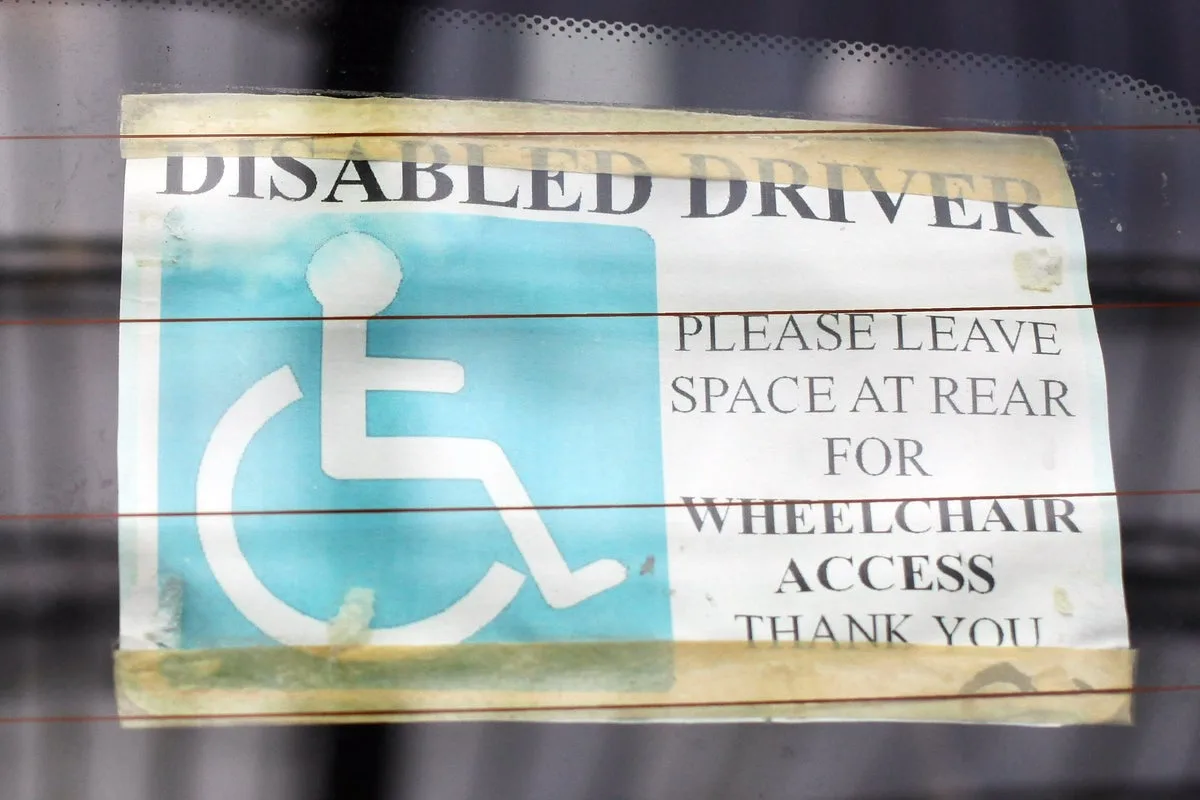
I have ADHD – but giving people like me blue badges is ridiculous. Letting me park in a disabled bay would be an outrage, says Victoria Richards. Save them for people who really need them.

This week, I hesitated while signing up for a half-marathon, because the form asked whether I have a “disability”. My mouse hovered over the button, dithering between “yes” and “no”. I don’t think of myself as disabled, you see – even though ADHD is legally recognised as a disability in the UK under the Equality Act 2010, if it has a "substantial and long-term adverse effect" on your ability to carry out normal day-to-day activities. Like going shopping in a supermarket, perhaps? I can’t do that. But I still think it’s an outrage to give people like me a blue badge. I’d rather avoid going shopping altogether than feel like a fraud by parking right outside when I don’t really need to.


Not everyone feels the way I do, though, and the number of people with “hidden disabilities” like mine applying for blue badges has apparently trebled in three years to 55,000, up from 18,000 in 2021 – helped, some say, by viral videos on social media coaching people on how to game the system using ADHD diagnoses. It’s impossible to break it down and find out how many rogue operators there are. When the Department for Transport decided to extend the scheme in 2019, that included people with Parkinson’s disease, dementia, physical disabilities which don’t necessarily require the use of wheelchairs or crutches but still make it difficult to get around (including lupus and arthritis), autism, sight or hearing loss, chronic pain and mental health issues such as depression and severe anxiety – all legit.

Wide Pickt banner — collaborative shopping lists app for Telegram, phone mockup with grocery list

Blue badges are meant to be for those who can’t make a journey without “a risk of serious harm to health or safety” (including children); “considerable physical distress” or have difficulty with “both the physical act and the experience of walking”. And unless you have a combined diagnosis, such as ADHD and a physical disability (or your ADHD causes you debilitating anxiety), then I just don’t get it, sorry. A blue badge for ADHD alone doesn’t feel right – and I say this as someone who hasn’t been able to shop in a large supermarket for a decade.

Why? Well, stepping into a big, noisy shop feels, to me, like torture; the equivalent of taking my brain out and chucking it in a washing machine to give it a hot wash, spin and dry. The same goes for shopping malls like Westfield, any bright and busy restaurant where everyone talks at the same time (with background music) – or train stations. But supermarkets are the worst for my own peculiar brand of neurodivergent sensory sensitivity. The lights are too dazzling, the acoustics echoey and loud and there’s just something about the starkness, the sterility – plus the shelves heaving with colourful produce – that interrupts my ability to talk, think or remember even the simplest items on my list. I imagine it’s a bit like a teenager encountering one of those high-pitched Mosquito alarms only people under 25 can hear: uncomfortable, disorientating and sometimes, even painful.

I’ve tried different coping strategies, over the years: ear-plugs, headphones, simple mnemonics like “CAT” (crisps, avocado, toilet paper) to try to remember what to buy. But something in my brain always disrupts the process. I wander aimlessly down the wrong aisles, get lost and forget them anyway. A few times, I even resorted to slapping my own face to try and force myself to focus – but nothing worked. Nine times out of ten, I’d leave my basket on the floor and walk out, all wobbly and empty-handed. Not that this should matter, but I have a master’s degree and I’m doing a PhD – you’d think I’d be able to function in a supermarket, wouldn’t you? But I can’t.

Pickt after-article banner — collaborative shopping lists app with family illustration

And so I do that other thing so many people with ADHD will recognise – I pay an ADHD “tax”. I make trips to more expensive, smaller shops during the week that I don’t find so difficult to cope with. I get food delivered – and pay extra charges for that. I splash out on pricey recipe boxes like Gousto because they arrive with all of the ingredients, so I don’t have to go out looking. Like so many women, I didn’t find out I had the condition until I was in my thirties – at school, I was a “daydreamer” who “couldn’t focus”, rather than some of the boys who were bouncing off the walls. Eventually, after finding out that ADHD runs through three generations of my family (and has a heritability rate of 74 per cent), I received my all-too predictable diagnosis.

But I still don’t think of myself as “disabled”, perhaps – in part – because I don’t believe the challenges I have to deal with are difficult enough to warrant the kind of support some people need, like closer parking. If I had mobility issues and ADHD, it would be a different story, but I don’t. Taking a blue badge from the government to get special treatment – and risking cutting the chances for someone else – would feel like a cruel joke. Don’t get me wrong: it’s great that ADHD is recognised as a “hidden disability”. I know how unbearable it can be to deal with on a bad day. I’ve felt the pain of hyperarousal, the “ants beneath my skin” sensitivity, the frozen terror of task paralysis, the panic when you’re late. I understand the feelings of overwhelm, emotional reactivity and burnout, intimately. It’s vital that we have representation; that people don’t continue to believe the hype and the stigma or the sweeping and ignorant statements about “overdiagnosis” or children wearing ear defenders. And it’s never been more difficult to be neurodiverse, because half the time, people (including powerful politicians) don’t believe us anyway. But taking advantage of blue badges when we don’t really need them only makes us look worse.


