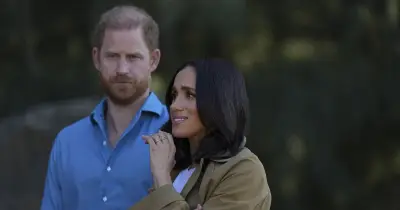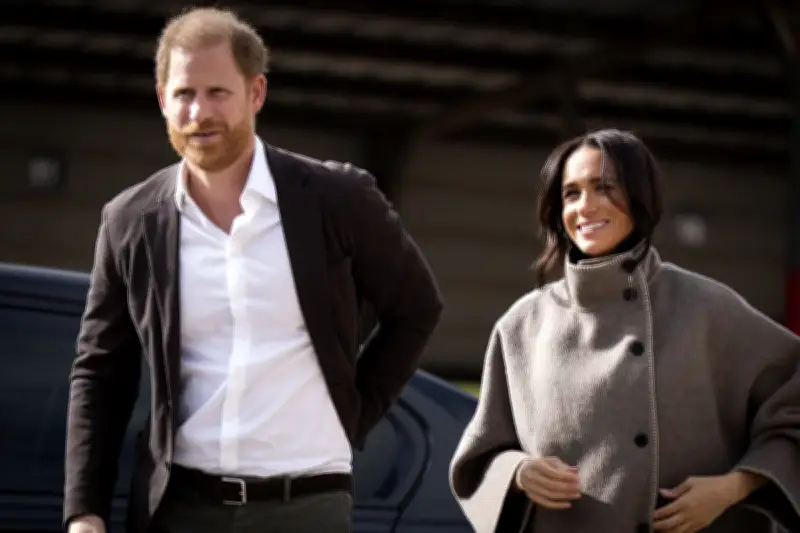
Two former home secretaries have called for Prince Harry and Meghan to be provided with a “limited” security package. The couple plan on relocating to the UK with their young family later this month, but with their long term plans still shrouded in mystery, a conflict has brewed over what level of security they should be given.
Lord Blunkett suggests 'happy medium'
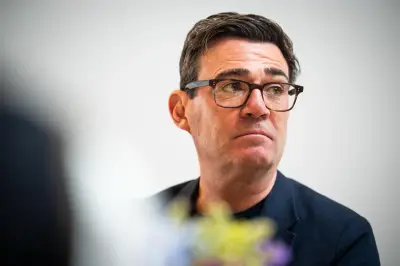
Former Home Secretary Lord Blunkett has said there is a “happy medium” that would see the Sussex family given a medium level of security protection. He suggested that arrangements could be reviewed and adjusted based on intelligence information.
“If I were looking back on my time, there’s a happy medium here. There are three areas of security. There’s the fully blown, blacked-out back-up car with two or three close protection — one in the passenger car and the others in the back-up on a 24-hour basis,” he told The Times.

“There’s then the middle ground, which is security where you have one or two officers who travel with the principal, as they call it. And the third is that they get a driver with security training.” He added that the middle would be a “perfectly reasonable thing to offer for the time being.”
Concerns over taxpayer funding
Concerns have been raised about security protection coming out of the taxpayer’s pocket given the couple are no longer working royals, but Lord Blunkett said Prince Harry “is still a very close member of the royal family, irrespective of what duties he’s undertaking on their behalf.”
“I think that we just need to take a deep breath, take a step back and say, well, can’t we manage something that is seen by everyone to be rational, understanding but not necessarily permanent?” he said.
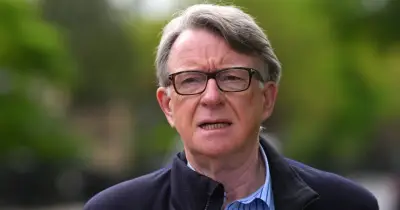
Another former Home Secretary, who declined to be named, said security arrangements should be “limited and restricted and not full time.” They added it would be “hard” to imagine a circumstance where the Prince and his family would not receive “some protection.”
They told the newspaper: “There are many questions to ask about potential security provision and protection. Yes, the cost is very high, but it could be limited and restricted and not full time but that’s down to His Majesty and the wider royal family.”
But the source added: “Let’s not forget he did go to court over it and sued the government on this matter just when we were making very important changes to protective security and costs. I suspect this will all be part of a ‘phased approach’.”
Ravec review and temporary solution
Sources close to the couple told the same outlet that Harry and Meghan’s return to the UK could be as brief as six months.
The Royal and VIP Executive Committee (Ravec) are in charge of determining whether high-profile individuals should be given taxpayer-funded security and at what level. It is understood to be reopening its review of Harry’s request for automatic right to police protection. An assessment was believed to have been completed just last month, but it was focused on the threat posed to the Sussex family during visits to the UK - rather than if they were to make the UK their permanent home.
The family are moving to the UK by the end of this month, but a decision on their security arrangements is not expected before this point. It is instead likely that a temporary solution could be put in place until a full Ravec decision is made. It is understood that the duke has written to Home Secretary Shabana Mahmood to request more answers on his security arrangements, but in the meantime, it has been reported that his longstanding security adviser David Langdown will appoint a team of security staff.

As it stands, only King Charles and Queen Camilla, and the Wales family are afforded full-time publicly funded security. The King’s siblings, Princess Anne and Prince Edward, are given taxpayer-funded protection, but not on a full-time basis. The Palace will on occasion extend taxpayer-funded security to royals who don’t usually qualify on special occasions, such as for royal weddings. But, most non-working royals, like Peter Phillips and Zara Tindall, don’t receive any tax-payer funded security. Princess Beatrice and Eugenie received publicly funded security until 2011. Prince Andrew controversially did receive state-funded security, until December 2022, when the Telegraph reported that the former Duke of York’s security bill would come out of the King’s purse.
A Home Office spokesman said: “The UK government’s protective security system is rigorous and proportionate. It is our long-standing policy not to provide detailed information on those arrangements, as doing so could compromise their integrity and affect individuals’ security.”