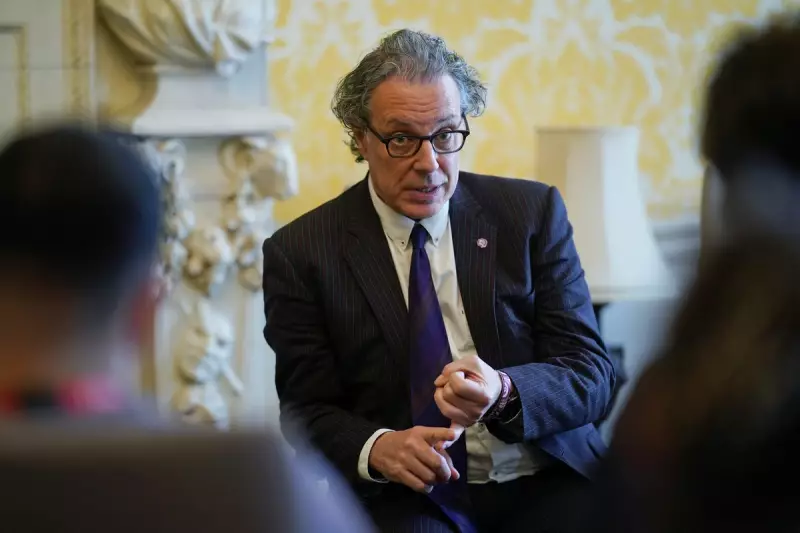
The father of Molly Russell has spoken out against proposals to ban under-16s from using social media platforms, warning that such a move would be a mistake with serious unintended consequences.
Ian Russell, whose 14-year-old daughter took her own life in November 2017 after engaging with harmful suicide and self-harm content online, said the government should focus on enforcing current legislation rather than resorting to what he called "sledgehammer techniques like bans".
"Unintended Consequences" of a Blanket Ban
In an interview with the BBC, Mr Russell expressed his concern that a social media ban for teenagers could backfire. He suggested the policy would "cause more problems" and fail to address the core issues of platform safety and regulation.

"That has got to change - and I don't think that we're that far away from it changing," he said, referring to improved online protections. "It's slightly exasperating that we're going through these same arguments again now about bans."
He argued that the UK should build on existing frameworks instead of implementing a blunt ban, which he believes is not the solution young people urgently need.
Political Pressure and Foundation Warnings
Mr Russell's comments come as Prime Minister Sir Keir Starmer faces growing pressure to restrict social media access for children. Health Secretary Wes Streeting has indicated he favours action, while Conservative leader Kemi Badenoch has pledged to introduce a ban if her party wins the next election.
However, the Molly Rose Foundation – established by Ian Russell in memory of his daughter – alongside the NSPCC and 5 Rights Foundation, has issued a stark warning. In a joint statement, they said that while well-intentioned, blanket bans are a "blunt response" that would fail to deliver the necessary safety improvements.
They emphasised that the government must finally hold tech giants accountable for the harm caused to children online, rather than shifting the burden solely onto families.
Global Context and Family Anguish
The debate in the UK follows Australia's decision last year to ban social media use for under-16s. Since that law was enacted, 4.7 million accounts belonging to children have been identified, sparking complex discussions about privacy, safety, and mental health.
Mr Russell revealed that many bereaved families are "horrified" at how politicians have capitalised on the issue of online safety. He stated that families consistently say this should not be a party-political football, but a united effort to protect children.
The tragic case of Molly Russell, from Harrow in north-west London, remains a pivotal moment in the online safety debate. A 2022 inquest concluded that the harmful social media content she viewed contributed "more than minimally" to her death.