
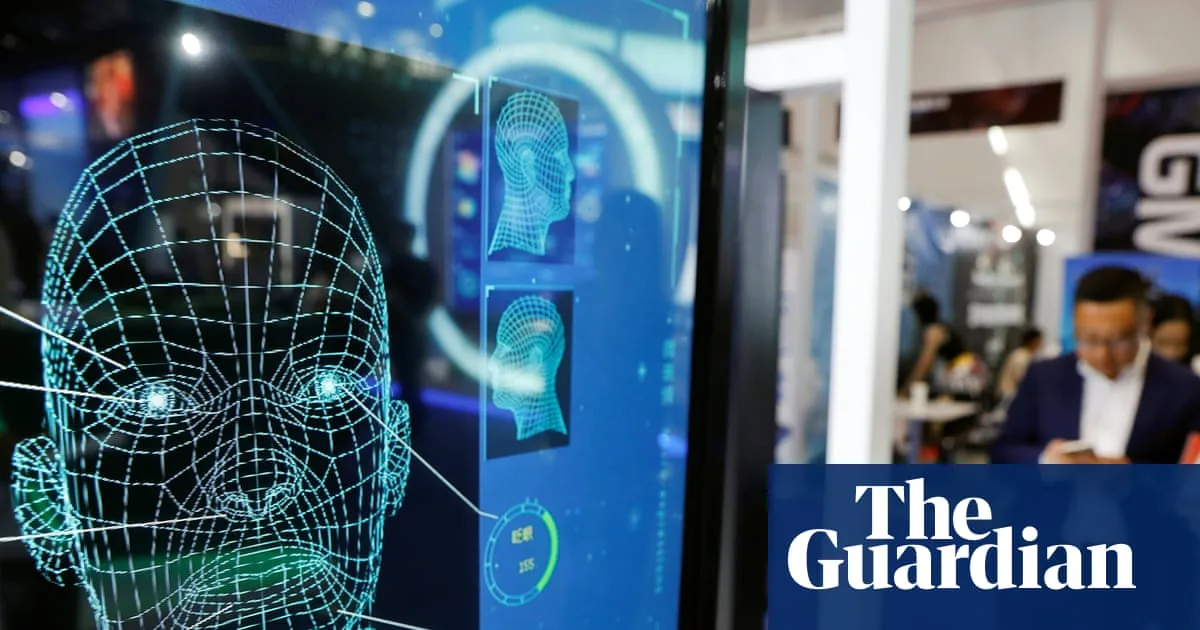
The Home Office has acknowledged that facial recognition technology used by police is more likely to incorrectly identify black and Asian individuals than white individuals under certain settings. The admission follows testing by the National Physical Laboratory (NPL) on the police national database's retrospective facial recognition tool.
At a lower setting, the false positive identification rate for white subjects was 0.04%, compared to 4.0% for Asian subjects and 5.5% for black subjects. The rate was particularly high for black women, at 9.9%, versus 0.4% for black men.
The Association of Police and Crime Commissioners (APCC) expressed concern, stating the findings reveal an 'inbuilt bias' and that the technology was deployed without adequate safeguards. The APCC also questioned why the results were not shared earlier with affected communities.
The government has launched a 10-week public consultation on expanding the use of facial recognition, including accessing databases like passports and driving licences. Campaign group Liberty called for a halt to the rollout until robust safeguards are in place.
Former cabinet minister David Davis criticised the plans, warning of a 'big brother' surveillance state. The Home Office said it is working to address the bias, but the NPL report highlights ongoing challenges with the technology's accuracy across demographic groups.




