Dunblane Father's Fresh Fear Over Potential Reversal of Handgun Ban
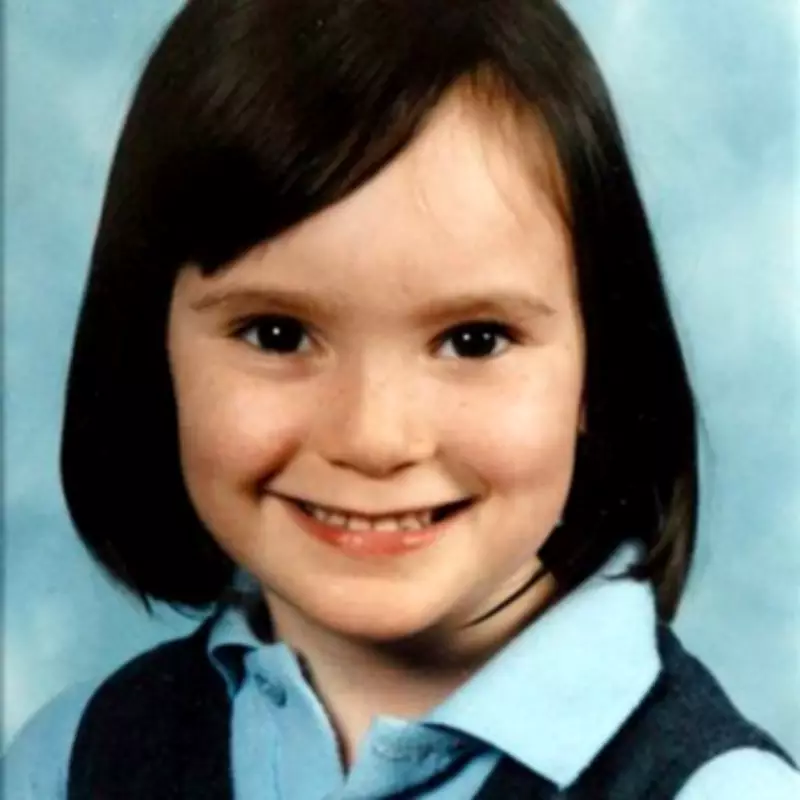
On the eve of the 30th anniversary of the Dunblane massacre, Mick North, whose five-year-old daughter Sophie was among the 16 children murdered, has voiced a stark new concern. He fears that political shifts could jeopardise the hard-won handgun ban he campaigned for after the tragedy.
The Dunblane Tragedy and Its Aftermath
On March 13, 1996, a lone gunman entered Dunblane Primary School in Scotland, armed with four handguns and 743 rounds of ammunition. In a brutal attack, he shot dead 16 children aged five and six, along with their teacher Gwen Mayor, before taking his own life. Fifteen others were injured, leaving a community shattered and a nation in mourning.
Mick North, who had already lost his wife Barbara to breast cancer two years earlier, was among the grieving parents. "I would never want any parent to go through what I have gone through," he reflects. "I remember Sophie every day."

The Campaign to Ban Handguns
In the days following Sophie's death, Mick channelled his intense grief into action, drafting a press release calling for "no more guns and no more worship of guns." This personal effort joined a broader movement, The Snowdrop Campaign, founded by local mothers Ann Pearston, Jacqueline Walsh, and Rosemary Hunter. Their petition garnered over 705,000 signatures, demonstrating strong public support for a ban.
However, the campaign faced significant opposition. An inquiry led by Lord Cullen did not recommend a complete handgun ban, and politicians, including then-Prime Minister John Major, were accused of complacency. Mick recalls, "A lot of them were shooters themselves. Then we started hearing things like, 'Oh, you can't change the gun laws, we can't have a knee-jerk reaction.'"
Even royal figures expressed scepticism. While Queen Elizabeth II visited Dunblane to lay flowers, she had opened the Royal Armouries Museum—filled with weapons—just two days after the massacre, a move that upset Mick. Prince Philip later ridiculed the campaign, comparing it to banning cricket bats.
Victory and Lasting Impact
Despite the challenges, public outrage prevailed. In November 1996, The Snowdrop Petition delivered over 700,000 signatures to 10 Downing Street. Mick notes, "It did reflect that there was a strong public opinion, no matter what politicians were telling us."
The Conservative government initially agreed to a partial ban in 1997, but after Labour's election victory, Sir Tony Blair invited campaigners to Downing Street and announced a full handgun ban later that year. "It was incredible," Mick says. "The handguns were out of the owners' hands within two years, and the legislation was through in a year and a half."
Since the ban, Britain has experienced no further handgun massacres, a stark contrast to the United States, where school shootings like the 2012 Sandy Hook tragedy continue to occur.
Current Threats to Gun Control
Now, Mick warns that this progress could be undone. He cites Reform leader Nigel Farage, who in 2014 criticised UK gun laws as "ludicrous." Mick expresses concern: "Nigel Farage has said he considers the handgun ban ludicrous, so if he ever gets in power, there is a concern he would try and change the firearms law. I would campaign against that."
He emphasises the need for vigilance, urging the public to remember the horror of Dunblane to prevent any loosening of gun laws that could endanger innocent children. A new BBC documentary, Dunblane: How Britain Banned Handguns, airing this week, highlights these legislative battles and their enduring significance.