Bondi's Jewish Community Confronts Grief and Freedom in a Sombre Passover
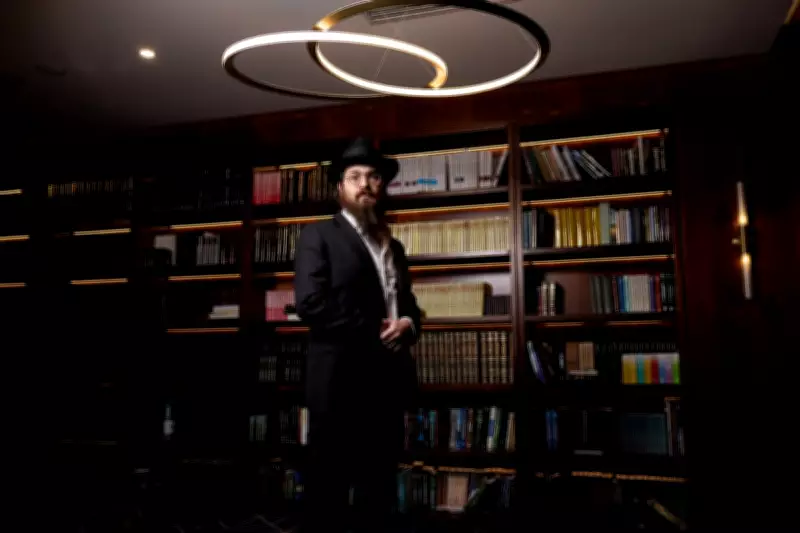
For Bondi's Jewish community, this year's Passover celebration is marked by profound sorrow and reflection, as many families sit down for the Seder meal without loved ones lost in the recent massacre at Bondi beach. Rabbi Mendy Ulman, whose brother-in-law Rabbi Eli Schlanger was among the victims, recalls Schlanger's vibrant spirit, always singing and initiating the traditional toast "l'chaim," meaning "to life." Schlanger, who typically led the communal Seder on the second night, made the holiday a highlight by engaging his children in the ancient story of liberation from slavery in Egypt over 3,000 years ago.
A Communal Response to Tragedy
In response to the grief, the orthodox Bondi Chabad congregation has moved its communal Seder to the first night, Wednesday, aiming to provide comfort in togetherness. Rabbi Ulman explains, "It's going to be very stark, and very, very confronting, so doing it together as community will be much more comforting." He hopes the evening will serve as a healing experience, though acknowledges that for many, "there's still a long road to go." The community has seen unprecedented steps toward healing, such as elderly grandmothers seeking therapy for the first time, highlighting the deep impact of the tragedy.
Rabbi Jacqueline Ninio from Emanuel Synagogue emphasises that Passover's core theme of freedom remains radical and relevant. "Pesach really at its heart is about what it means to be free ... We all – every human being – deserves to be free," she says. Judaism's tradition of diverse interpretations allows each person to connect with the story in their own way, making the Seder a time for discussion and debate, which this year will likely include reflections on safety and freedom in Australia.

Debating Freedom and Safety in Australia
Alex Ryvchin, co-chief executive of the Executive Council of Australian Jewry, predicts that this year's Seder will involve debates on "our status as Australians and how free we truly are." As part of Sydney's Russian-speaking Jewish immigrant community, Ryvchin and others cherish Australia's acceptance, having escaped Soviet persecution. However, recent events have shaken this sense of security. "How will we view freedom in Australia as Jews – if we can't gather in a park to light the Hanukah candles are we free to practise our faith?" he questions.
Lynda Ben-Menashe, president of the National Council of Jewish Women of Australia, notes that the Bondi attack represents the culmination of years of fear in the close-knit Jewish community, which numbers around 100,000 people in Australia. "Everybody knows each other. It's not six degrees of separation in our community. It might be two," she says. This year, the traditional Seder question – "Why is this night different from all other nights?" – begets another: "Why is this Passover different from all other Passovers?" She adds, "We've experienced murder on Australian soil and we have never been feeling less safe in this country than we do today."
Resilience Amidst Fear and Defiance
Despite the distress, Rabbi Ninio observes "incredible resilience" within the community, while Ryvchin notes a "surge in pride" in being Jewish. Yet, both express concern over the current climate. Ninio says, "We are existing in our Judaism behind walls and behind security and police, and it's quite confronting... it doesn't feel so free right now." Ryvchin adds that even simple acts like walking down the street visibly Jewish feel like "an act of defiance rather than a humble observance of faith," tinged with fear, especially regarding children's safety.
The ongoing royal commission into antisemitism and social cohesion offers a glimmer of hope. Ben-Menashe's organisation will submit recommendations on making Australia safer for everyone. Rabbi Ninio reminds that Passover encourages action for change, looking toward "a future of freedom for everyone. And it's not just about us. It's about all people."

Finding Gratitude and Hope
For Rabbi Ulman, the theme of gratitude resonates deeply this Passover, exemplified by the closing song "Dayenu," which opens up possibilities for hope and celebration. "I think Pesach wants us to be free by saying have some gratitude in life in the good things – not to negate the bad things – but not to highlight them constantly ... to allow yourself to laugh and have a good time," he reflects. He acknowledges that while grief might excuse a lack of joy, true freedom, as Passover teaches, involves embracing gratitude and community support.