

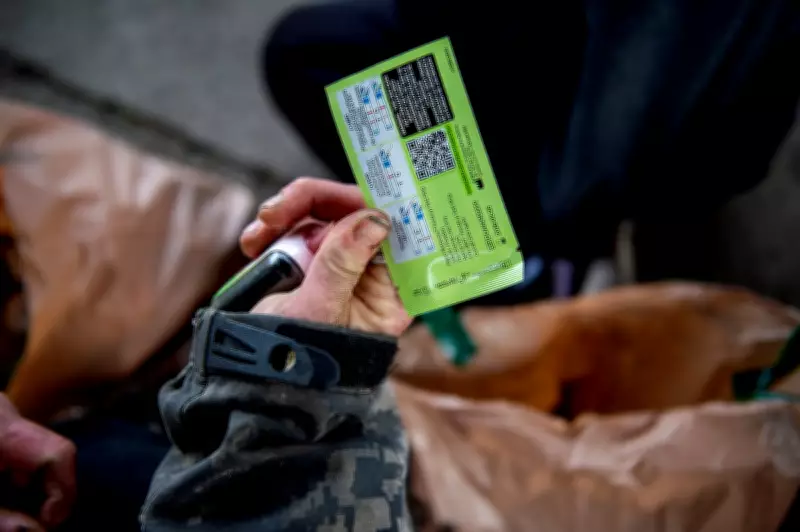
The Biden administration has reversed a longstanding ban on using federal funds to purchase fentanyl test strips, a move that public health experts say will help prevent overdose deaths. The Substance Abuse and Mental Health Services Administration (SAMHSA) announced the policy change, allowing states and community organizations to use federal grants for the strips, which can detect the presence of fentanyl in drugs.
Background of the Ban
Previously, the test strips were classified as drug paraphernalia under the 1986 Anti-Drug Abuse Act, making them ineligible for federal funding. This classification had been criticized by harm reduction advocates who argued that the strips save lives by enabling users to test their drugs before consumption. The policy shift comes as the United States grapples with a surge in fentanyl-related deaths, which have risen sharply in recent years.
Impact of the Policy Change
The new guidance from SAMHSA clarifies that fentanyl test strips are now considered a legitimate public health tool. This means that federal grants, including those from the State Opioid Response program, can be used to purchase and distribute the strips. Health officials believe this will expand access to the strips, particularly in underserved communities where overdose rates are highest.

Dr. Rahul Gupta, the White House drug czar, stated, "We must use every tool available to prevent overdose deaths. Fentanyl test strips are a simple, effective way to give people the information they need to make safer choices." The policy change aligns with the administration's broader harm reduction strategy, which includes increasing access to naloxone and treatment for substance use disorders.
Reactions from Advocates
Harm reduction organizations have welcomed the decision. The National Harm Reduction Coalition called it a "critical step" in addressing the opioid crisis. However, some conservative groups have expressed concern that the strips may encourage drug use. Despite this, evidence from states that already allow the strips, such as West Virginia and Kentucky, shows they are associated with reduced overdose deaths.
Implementation and Next Steps
SAMHSA will provide technical assistance to grantees on how to integrate test strip distribution into existing programs. The agency also plans to fund research on the effectiveness of the strips in real-world settings. The policy change is effective immediately, and states can begin using funds for the strips without additional approval.






