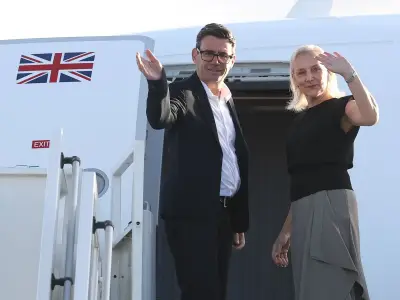
The UK is to reopen a refugee resettlement route with priority for vulnerable Afghan women and girls and Palestinians, in a major expansion of legal pathways into Britain. Home Secretary Shabana Mahmood is expected to confirm the move at the Labour conference.
Scheme details and numbers
The scheme will initially operate on a tightly limited basis, with numbers expected to start in the hundreds before potentially rising to the low thousands as illegal migration falls. About one in four people arriving through the scheme are expected to be Afghan women and girls or Palestinian refugees, according to plans reported by The Guardian.
Applicants will be subject to security and criminality checks before being accepted, while refugees will be identified by the UN refugee agency, UNHCR, and the International Refugee Assistance Project.
Pathway to settlement
Those accepted through the resettlement scheme will have a route to indefinite leave to remain, with settlement available after five years. That contrasts with refugees who arrive through irregular routes, including small boats, whose status is due to be reviewed every 30 months for up to 20 years under reforms previously announced by Ms Mahmood.
The UK Resettlement Scheme stopped taking new referrals in December 2024 and is now being reopened, with priority given to vulnerable women and girls, including Afghans, as well as Palestinian refugees.
Government position
The Home Secretary is expected to argue that tougher controls on illegal migration can be combined with legal routes for people fleeing war and persecution. Ms Mahmood has said the system must be “capped and controlled” and that communities must be “ready and able to welcome” refugees.
The reopening forms part of a wider programme of safe and legal routes announced by the Government earlier this year. In June, the Home Office said applications would open for organisations to sponsor refugees under a new community sponsorship scheme, with communities taking responsibility for housing, integration and helping arrivals into work.
Wider routes and reactions
Universities will also be able to sponsor refugees through a study route, while a separate refugee work route is expected to open next year, allowing employers to sponsor refugees. The Government said at the time that numbers would start small and increase as public confidence in the immigration system was restored.
Those coming through the new routes will be subject to biometric, criminality and health checks, while refugee status will be determined in partnership with the UNHCR. The Home Office announcement also highlighted the Government's wider plans to tighten the asylum system, including reforms to human rights and modern slavery laws.
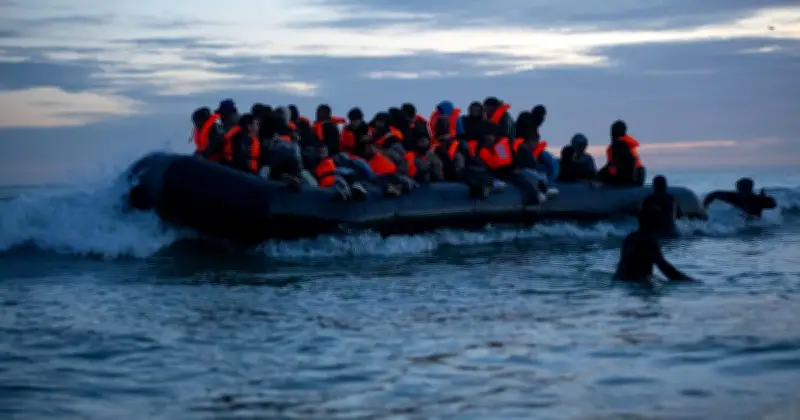
The Guardian reported that immigration experts and refugee charities have questioned whether the relatively small number of places will have any significant impact on Channel crossings. Madeleine Sumption, director of the Migration Observatory at Oxford University, said the impact of the resettlement route would depend on how many people were ultimately allowed to enter.
Refugee Council chief policy analyst Jon Featonby welcomed the creation of safe and legal routes but said they would need to operate “at scale”, arguing that meant thousands of places rather than hundreds. The Government's June announcement said the new routes would begin rolling out in the autumn, with the first arrivals through the community sponsorship scheme expected in autumn 2027.