
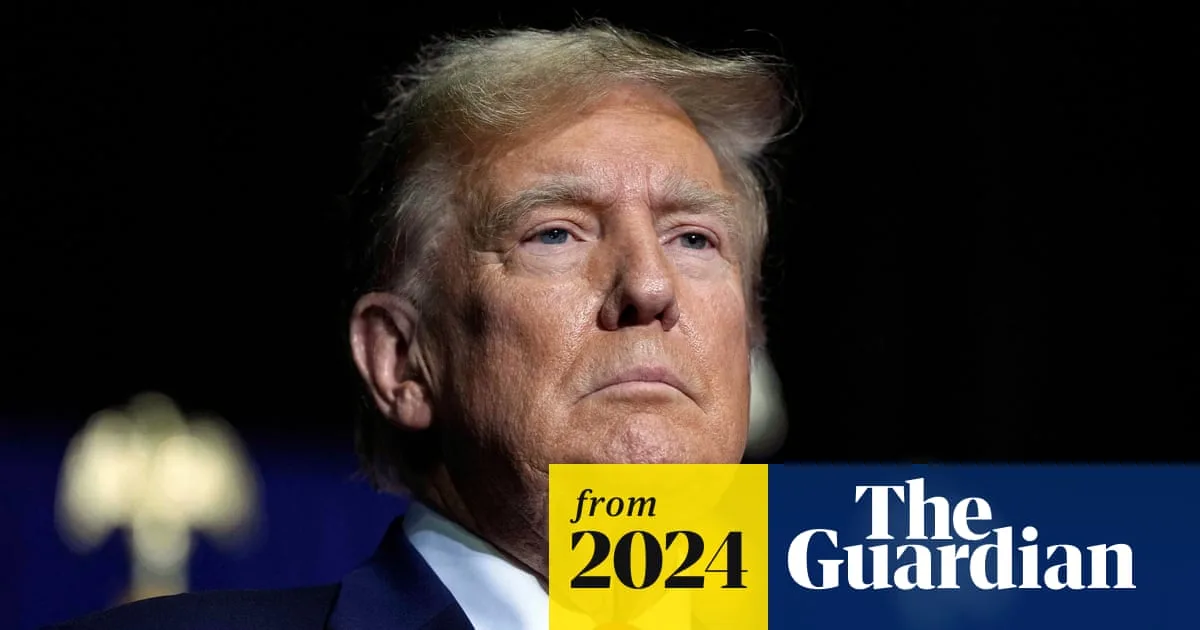
As the US election primary season draws to a close, conventional wisdom suggests candidates will pivot to the centre. But Donald Trump, never one for convention, is pursuing a radical agenda that critics describe as a 'campaign for vengeance'. His second-term platform includes detention camps, mass deportations, capital punishment for drug smugglers, tariffs, a purge of the justice department, and potential withdrawal from Nato.
Democratic strategist Kurt Bardella contrasts Trump's current stance with his 2016 campaign. 'In 2016 he was positioning himself to be beloved by everybody,' Bardella said. 'Now we’re getting a much darker version, driven by imaginary grievances from the 2020 election. This is a campaign for vengeance.' Bardella likened Trump to Ahab, with the United States as Moby Dick.
Eight years ago, Trump ran as a political outsider, promising a border wall and using xenophobic language about Mexican immigrants. He vowed to repeal Barack Obama's Affordable Care Act, described climate change as a hoax, and called for a Muslim ban. Many of these pledges were partially realised: the Muslim ban was upheld by the Supreme Court, and three conservative justices appointed by Trump helped overturn the constitutional right to abortion.
His first term also saw a $1.5tn tax cut that added to the national debt and disproportionately benefited billionaires, a withdrawal from the Paris climate agreement, and a botched Covid-19 response that included suggesting patients inject bleach. Reports claim Trump wanted the military to shoot peaceful protesters during Black Lives Matter demonstrations in 2020.
Now, facing dozens of criminal charges and an electoral rematch with Joe Biden, Trump's extremism has deepened. He won the Republican primaries easily, but an AP VoteCast poll found six in ten moderate Republicans in early states considered him too extreme to win a general election. Critics warn that his second term would be even more radical, driven by personal grievances rather than unifying rhetoric.




