
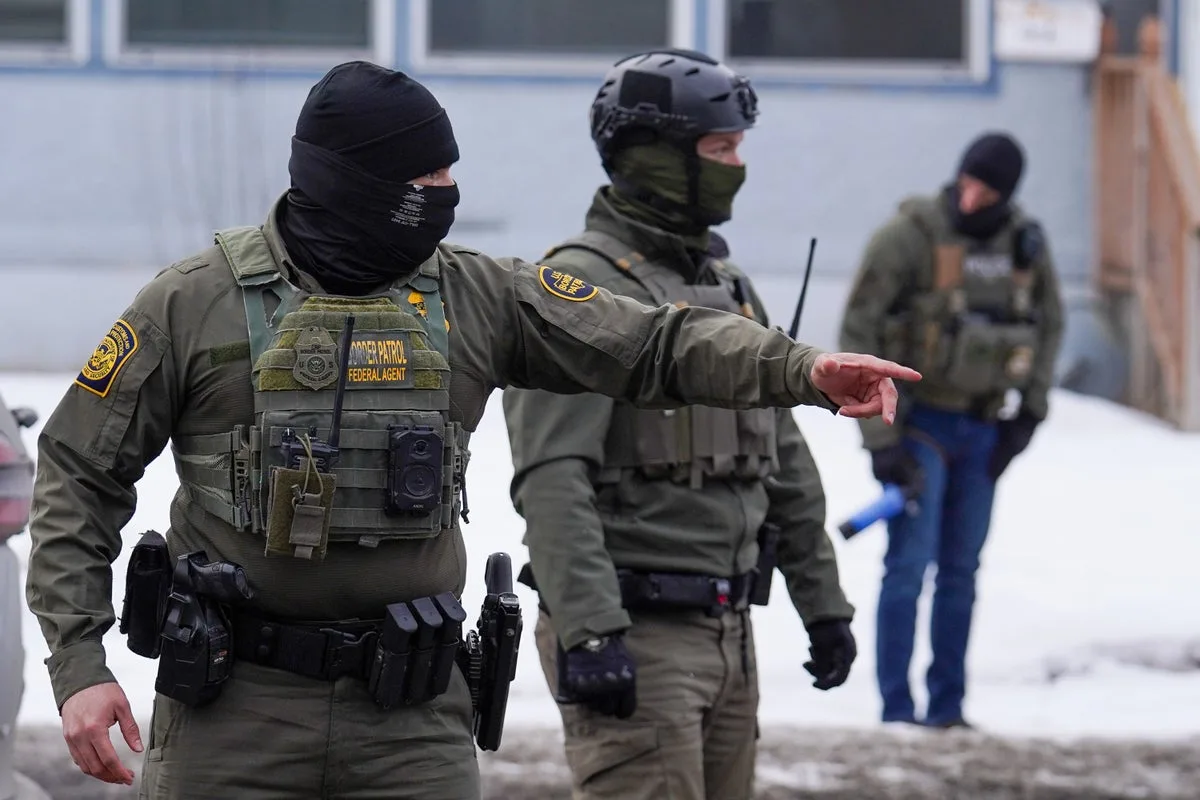
The heads of US immigration enforcement agencies will testify before Congress on Tuesday amid scrutiny over the fatal shootings of two protesters by Homeland Security officers in Minneapolis. The deaths have intensified criticism of President Donald Trump's mass deportation agenda and raised questions about the conduct of officers carrying out arrests inside American cities.
Todd Lyons, acting director of Immigration and Customs Enforcement (ICE), Rodney Scott of Customs and Border Protection (CBP), and Joseph Edlow of US Citizenship and Immigration Services (USCIS) will appear before the House Committee on Homeland Security. The hearing comes as public support for their agencies' methods declines, though they have been bolstered by increased funding from last year's spending bill.
Lyons is expected to face questions over a memo that authorised ICE officers to forcibly enter homes without a judge's warrant, a departure from long-standing practice and constitutional protections. Under his leadership, ICE has expanded hiring and ramped up enforcement operations nationwide. Scott's CBP has also taken on a greater role in interior arrests, a shift from its traditional border security focus, leading to controversies including the use of Border Patrol teams in cities where they have been accused of indiscriminate questioning.
The shootings in January claimed the lives of Alex Pretti and Renee Good. Pretti was killed by gunfire from a Border Patrol agent and a CBP officer, while Good was shot by an ICE officer. Following the incident, the commander of the Border Patrol team involved was reassigned, and Trump's border czar Tom Homan took over operations in Minneapolis.
Administration officials maintain that activists are escalating attacks on officers and that enforcement actions target criminals and threats, making the country safer. Meanwhile, USCIS has faced its own criticism for subjecting refugees to additional vetting and pausing asylum decisions. Lawmakers remain divided over whether to fund the Department of Homeland Security without restrictions on officer conduct.




