

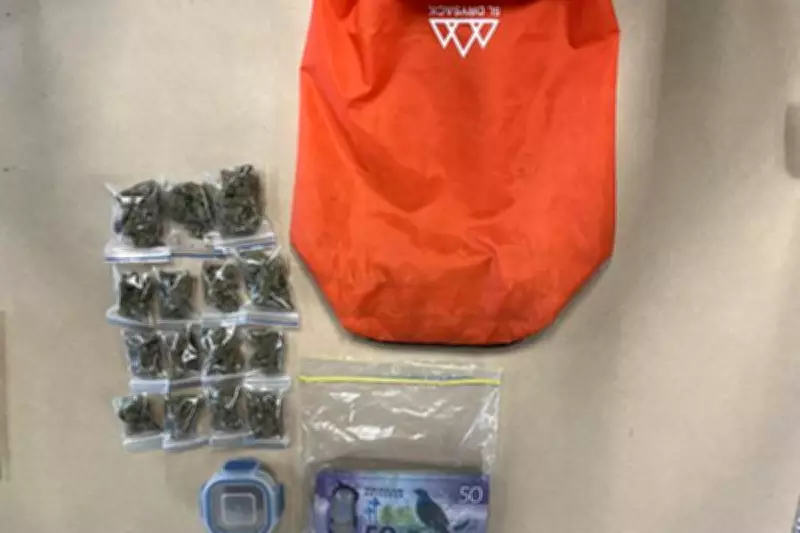
In a bizarre incident in New Zealand, two teenagers accidentally donated a backpack filled with marijuana and a substantial amount of cash to a charity shop, only to return later in a state of high agitation to reclaim their lost items. The episode, which unfolded in the Southland region at the southern tip of the South Island, has drawn attention from local authorities and highlights the risks of careless handling of illicit substances.
Discovery of the Unusual Donation
According to New Zealand police, the incident occurred on 18 February, though specific details about the shop's location were withheld to protect its staff. A volunteer at the charity store first noticed a strong and distinctive pungent aroma emanating from a backpack left in the donation area outside the shop. Upon investigation, the volunteer discovered plastic bags containing 43.2 grams (1.5 ounces) of marijuana, along with NZ$3,700 (approximately £1,630) in cash.
Teens' Panic and Police Response
The boy and girl, described as "highly agitated" by authorities, had left the backpack outside the shop while waiting for their vehicle to be serviced at a nearby workshop. Realising their mistake, they returned to the store in a panic, becoming aggressive with staff in their attempts to retrieve the bag. Police were promptly called to de-escalate the situation, arriving quickly to manage the tense encounter.

During the investigation, officers found additional items in the teenagers' car, including an air pistol—which is illegal for those under 18 to possess without a license and adult supervision—more cash, and a police scanner. While owning a police scanner is not illegal in New Zealand, distributing or acting on information heard through it is considered a crime.
Legal Context and Aftermath
In New Zealand, the sale and recreational use of marijuana remain illegal, with only limited medical use permitted under a doctor's prescription. The police statement did not disclose details about any charges the arrested teens might face or whether they had appeared in court. This is due to strict rules governing what can be reported from cases before the Youth Court, where alleged offenders younger than 17 are typically heard.
The incident serves as a cautionary tale about the consequences of mishandling illegal substances and the swift response of law enforcement in such situations. As the community reflects on this unusual event, it underscores the importance of vigilance in charity operations and the ongoing challenges of youth-related offences in the region.






