British taxpayers have funded the departures of nearly 9,000 Brazilian migrants over the past two years under the Government's Voluntary Returns Service (VRS), according to official figures.
Of the 20,365 international migrants who left Britain through the scheme, 8,901 were from Brazil. Each individual received travel costs and living expenses of up to £3,000, a payment available to visa overstayers, failed asylum seekers, and individuals without legal status to remain.
Cost exceeds £40 million
Between July 2024 and March 2025, the official cost stood at £35 million, with insiders predicting the total has now surpassed £40 million following recent payouts.

Other nations making significant use of the scheme include India with 3,629 returns, Colombia with 746, and Honduras with 468.
Small boat arrivals largely ignore offer
Figures obtained by The Sun show that migrants arriving via small-boat crossings of the English Channel largely ignore the offer. Just seven Eritreans, 11 Sudanese, 14 Afghans, three Somalis, and 77 Iranians accepted financial incentives to return home during the same timeframe.
The payout scheme has faced strong criticism from political opponents. Shadow Home Secretary Chris Philp said: "Labour are paying illegal immigrants to leave instead of stopping them arriving in the first place. They have found an expensive way to avoid the actual problem."
New pilot offers up to £40,000
The financial burden on the public purse could escalate further following a new pilot program rolled out by Home Secretary Shabana Mahmood. The scheme offers select failed asylum seekers and their families up to £40,000, issued on pre-paid debit cards, to leave voluntarily in a one-time offer valid for one week. Those accepting will also be given flights home.
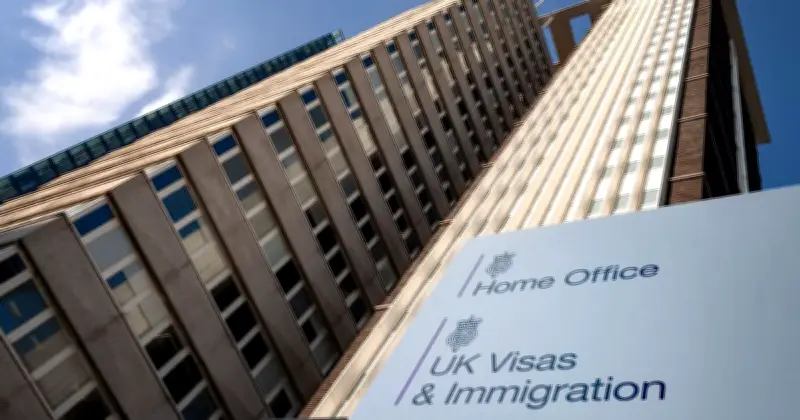
Defending the strategy, the Home Office said: "Encouraging voluntary returns is vastly better value than paying for hotels or forced returns, saving taxpayers millions. Under this government, returns of those with no right to be in the UK are up by more than 50 per cent, and close to 65 per cent for small boat arrivals."