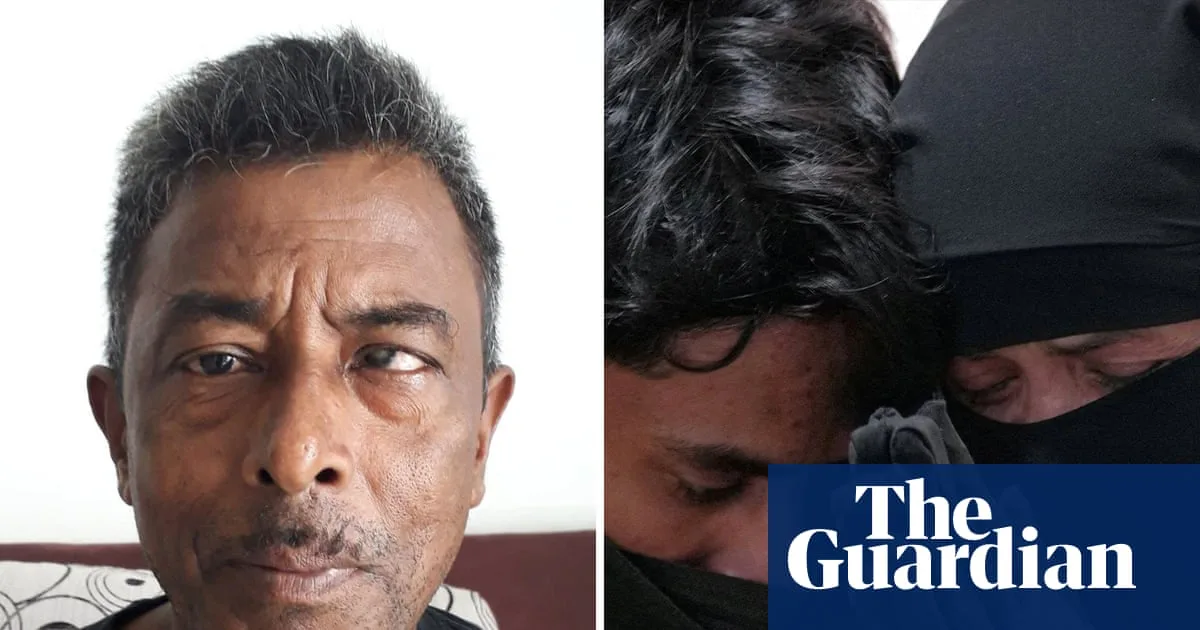
The death of Nurul Shah Alam, a 56-year-old nearly blind Rohingya refugee, has been ruled a homicide by the Erie County Medical Examiner's Office, more than a month after he was found dead near Buffalo, New York. Shah Alam died from complications of a perforated duodenal ulcer precipitated by hypothermia and dehydration, according to the report released on Tuesday.
Shah Alam had been detained at the Erie County detention center after mistakenly wandering into a resident's backyard. On 18 February, a day before his scheduled release, his family visited him and prepared for his return. However, Border Patrol dropped him off four miles from the facility without notifying his family or attorneys, leaving him without a warm jacket or shoes in below-freezing temperatures. His body was found five days later.
“The Erie county medical examiner’s report confirms our understanding that Shah Alam was placed in a hostile environment from which he could not reasonably be expected to extricate himself,” said Terrence Connors, the family's attorney. “Border Patrol had the ability to place him in a non-hostile environment. That is why the manner of death was ruled a homicide.”
The Department of Homeland Security dismissed the findings, calling them “another hoax being peddled by the media and sanctuary politicians to demonize our law enforcement.” Advocates, however, say the case highlights systemic failures in how immigration detainees are released, often without coordination or basic safeguards.
“A homicide finding means this wasn’t just a tragedy. It points to neglect or wrongful action,” said Michelle Brané, executive director of Together and Free. Shah Alam's family, who had resettled in Buffalo from Malaysia as part of a Rohingya resettlement effort, are demanding answers. “When I got the call from the medical examiner, my body went into shock,” said his son, Mohamad Faisal Nurul Amin.