
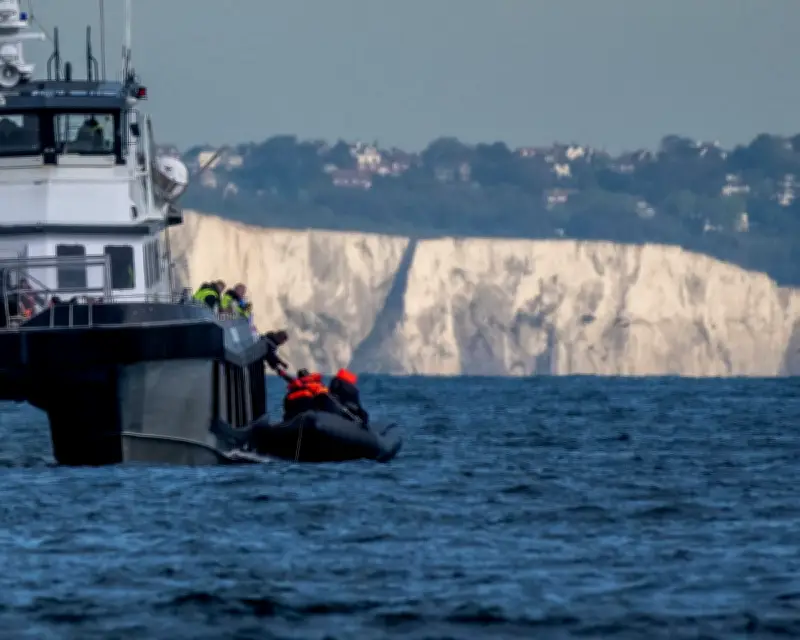
Reform UK's plan to deploy the Royal Navy to stop small boat crossings in the English Channel has been dismissed as unfeasible by maritime and legal experts. The proposal, which would involve turning back migrant boats, faces significant operational and legal obstacles.
Operational Challenges
Experts point out that the Royal Navy's primary role is defence, and using it for border control would stretch resources. The English Channel is one of the world's busiest shipping lanes, making interceptions dangerous. Furthermore, international maritime law obliges vessels to rescue those in distress, which could conflict with a policy of turning boats back.
Legal Hurdles
Legal experts argue that turning back boats carrying asylum seekers would breach the UK's obligations under the UN Refugee Convention and the European Convention on Human Rights. Any such action could lead to legal challenges in UK courts and international tribunals.
Political Reaction
The plan, part of Reform UK's immigration policy, has been criticised by opposition parties as unworkable and inhumane. The government has not endorsed the proposal, with officials noting that current measures, including cooperation with France, are more effective.




