Police in Charleston, South Carolina, have issued an urgent public warning about a sophisticated new scam operation targeting vulnerable individuals, particularly young mothers, in grocery store parking lots. Authorities report that criminals are approaching shoppers with emotional stories about urgent needs like funeral expenses or medical bills, then using mobile card readers to drain victims' bank accounts of thousands of dollars.
How the Scam Operates
According to the Charleston Police Department (CPD), scammers position themselves in busy grocery store parking lots where they approach potential victims. They typically claim to be collecting donations for a worthy cause but state they cannot accept cash. Instead, they use a mobile card reader to process what they describe as a "tap to pay" donation.
"Scammers are approaching victims and asking for donations for funeral or medical expenses," the CPD stated in their official warning. "They claim they can't accept cash and instead use a mobile card reader to process a 'tap to pay' donation, in some cases withdrawing thousands of dollars from victims' accounts."

Why Young Mothers Are Targeted
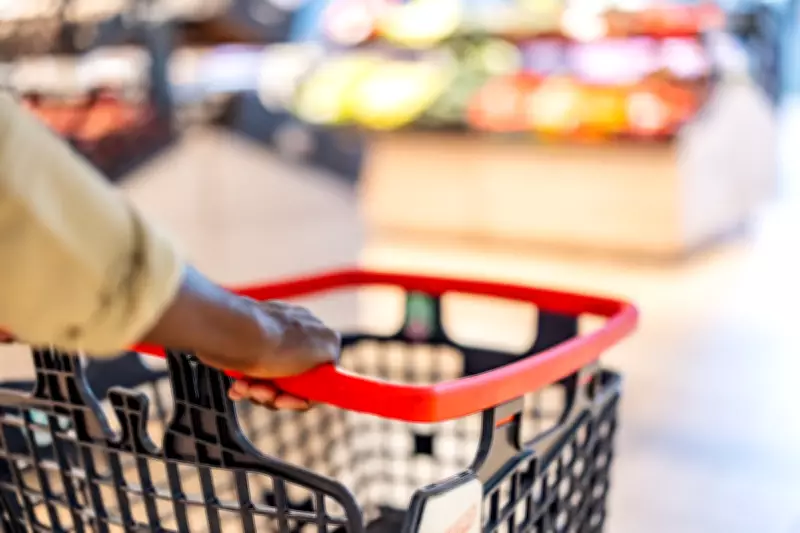
Police reports indicate that scammers specifically target young mothers with children, viewing them as emotionally vulnerable and more likely to respond to appeals for charitable giving. The chaotic environment of grocery store parking lots creates additional pressure, with people often in a hurry and less likely to carefully monitor transaction amounts before tapping their payment cards.
Authorities note that these locations are ideal for such scams because shoppers are typically distracted, managing children and groceries while trying to complete their errands quickly. Many victims report agreeing to what they believed were small donations, only to discover later that scammers had withdrawn substantial sums—sometimes reaching tens of thousands of dollars—from their accounts.
Community Response and Prevention
The Charleston Police Department has launched a comprehensive community outreach program in response to these incidents. They are partnering with local churches, neighborhood associations, and civic groups to educate residents about how to recognize and avoid this and other similar scams.
Residents can schedule educational sessions with police officers at their local community hubs by contacting SpeakToCPD@charleston-sc.gov. These sessions aim to provide practical advice on protecting personal financial information and recognizing fraudulent solicitation tactics.
Broader Context of Retail Scams
This parking lot scam represents just one of several retail-related fraud incidents recently reported in South Carolina. In a separate but related development, social media users have been discussing the multiple arrests of boutique store owner Pamela Brooke Schronce, who was charged this week with obtaining property under false pretenses valued at less than $2,000.
Schronce has faced previous accusations from customers who paid for orders that were never delivered. The frequency of her arrests has become something of a local phenomenon, with social media commentators joking that they now have enough mugshots to create a calendar.
Police emphasize that while the technology behind contactless payments has surged in popularity in recent years, it has also created new opportunities for criminals to exploit unsuspecting victims. Authorities urge all residents to be extremely cautious when approached for donations in public spaces and to verify the legitimacy of any charitable organization before providing payment information.