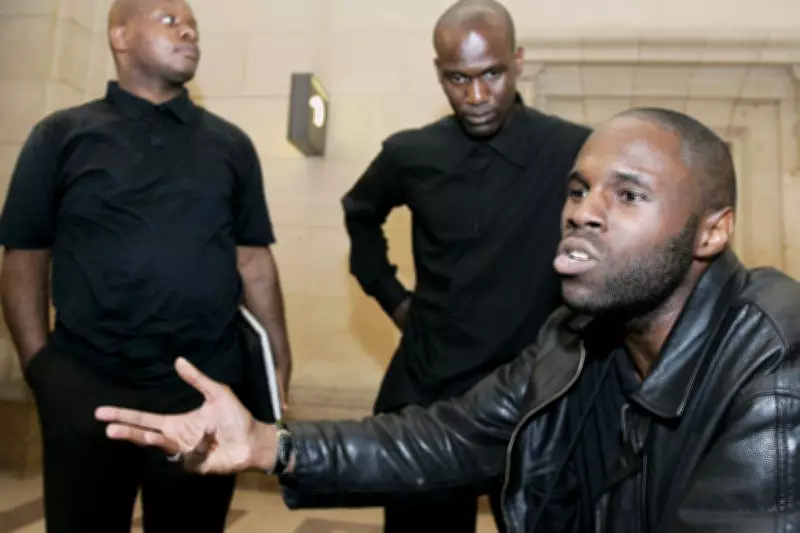
Prominent Pan-African and pro-Russian activist Kemi Seba has been arrested in South Africa, facing serious charges of conspiracy to commit a crime and potential extradition to Benin, where authorities have issued an international warrant for his capture.
Arrest and Charges in Pretoria
South African police confirmed on Thursday that Seba, whose legal name is Stellio Gilles Robert Capo Chichi, was taken into custody alongside his son during a coordinated sting operation in Pretoria, the nation's capital. The arrest followed collaboration with Interpol, which identified Seba as a wanted fugitive in Benin for crimes against the state.
The 45-year-old activist and his son have been formally charged with conspiracy to commit a crime and immigration violations, specifically for allegedly planning illegal migration to Europe through Zimbabwe. A third individual, also detained in connection with the case, stands accused of facilitating the cross-border movements with a payment of approximately R250,000, equivalent to $15,000.

Legal Proceedings and Extradition Plans
All three suspects appeared before the Brooklyn magistrates' court on Wednesday, where the case was adjourned until April 20. Seba has been remanded in police custody as authorities prepare to extradite him to Benin, responding to an international arrest warrant issued by Beninese officials in December.
The warrant accuses Seba of incitement to rebellion, stemming from a social media video he posted following last year's failed coup attempt in Benin. In the footage, Seba celebrated the attempted overthrow of President Patrice Talon, declaring it a successful liberation and praising the involved soldiers as patriots.
Background and Political Stance
Kemi Seba has gained notoriety as a vocal supporter of recent coups across West Africa and has expressed strong pro-Russian sentiments aligned with those of coup leaders in the region. His activism includes fierce criticism of France, Benin's former colonial power, and its ongoing economic and political influence in Benin and wider West Africa.
In 2024, Seba's French citizenship was revoked, reflecting the escalating tensions between his radical stance and governmental authorities. His arrest in South Africa marks a significant development in the international pursuit of individuals accused of destabilising activities in African nations.
The case highlights the complex interplay between activism, alleged criminal conspiracy, and interstate legal cooperation, with South African police emphasising their commitment to upholding international law through Interpol-assisted operations.