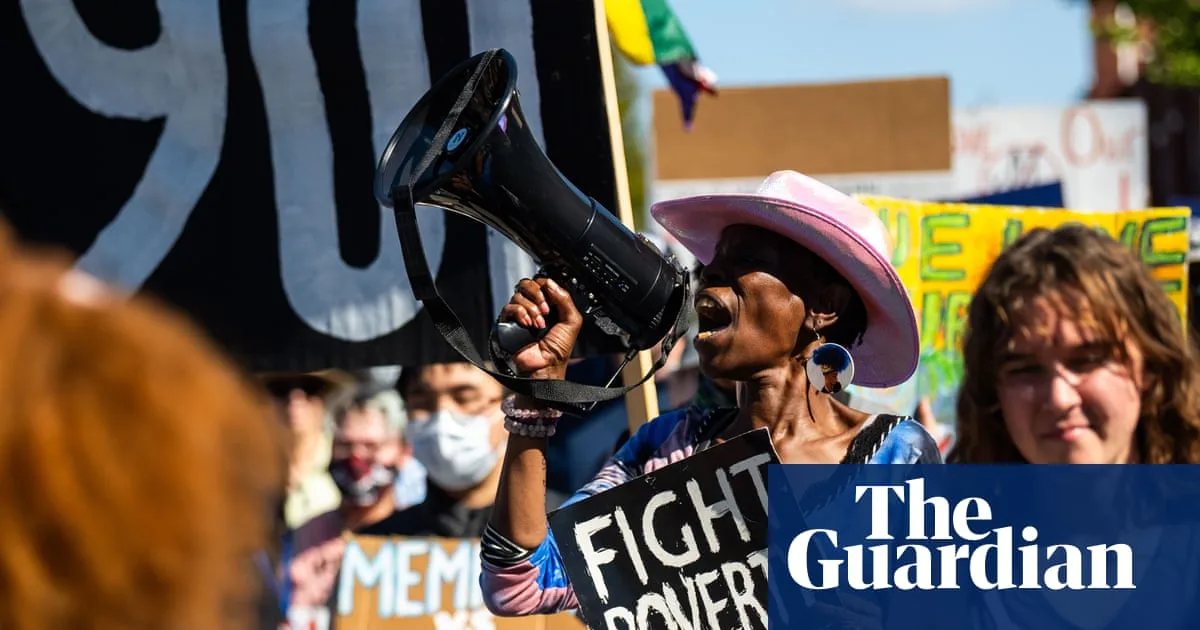
ICE Agents Conduct Controversial Raid on Memphis Food Pantry
In a move that has ignited significant controversy, agents from Immigration and Customs Enforcement (ICE) executed a raid on a food pantry located in Memphis, Tennessee. The operation, which took place recently, resulted in the arrest of several individuals who were present at the facility. This action has drawn sharp criticism from immigration rights advocates and local community organizations, who argue that such raids undermine trust and access to essential services for vulnerable populations.
Details of the Raid and Immediate Aftermath
The raid occurred at a community food pantry that serves as a critical resource for low-income residents, including immigrants. According to reports, ICE agents entered the premises without prior warning, leading to a tense and chaotic scene. Multiple individuals were detained during the operation, with some being taken into custody for alleged immigration violations. The pantry, which typically provides food assistance to hundreds of families each week, was forced to suspend its services temporarily due to the disruption.
Witnesses described the raid as aggressive, with agents questioning attendees and staff members about their immigration status. This has raised concerns about the targeting of spaces meant for humanitarian aid, potentially deterring people from seeking help out of fear of deportation. Local officials have expressed alarm over the incident, emphasizing the need for safe access to basic necessities without the threat of enforcement actions.
Reactions from Advocacy Groups and Community Leaders
Immigration rights organizations have been quick to condemn the raid, labeling it as an overreach that violates the principles of sanctuary and support. Groups such as the American Civil Liberties Union (ACLU) and local immigrant advocacy coalitions have issued statements calling for an immediate investigation into the tactics used by ICE. They argue that raids on food pantries not only harm individuals but also destabilize communities by creating an atmosphere of fear and insecurity.
Community leaders in Memphis have echoed these sentiments, urging federal authorities to reconsider such operations in non-enforcement settings. Many have highlighted the pantry's role in addressing food insecurity, particularly among marginalized groups, and warned that similar actions could exacerbate social inequalities. In response, some organizations are mobilizing to provide legal assistance and support to those affected by the raid.
Broader Implications for Immigration Policy and Public Trust
This incident underscores ongoing tensions between immigration enforcement and community welfare initiatives across the United States. Critics point to a pattern of ICE operations in sensitive locations, such as schools and healthcare facilities, which they say erodes public trust and hinders effective service delivery. The raid in Memphis comes amid broader debates over immigration reform and the role of enforcement agencies in everyday life.
Proponents of stricter immigration controls may view such raids as necessary for upholding laws, but opponents argue that they disproportionately impact vulnerable populations and violate human rights. As discussions continue, this event is likely to fuel calls for policy changes to protect humanitarian spaces from enforcement actions. The long-term effects on community cohesion and access to essential services remain a pressing concern for advocates and residents alike.






