The Government has responded to a petition calling for the establishment of a public inquiry into illegal migration to the UK, stating it does not consider such an inquiry necessary.
The online petition, set up by Simon Worley in July, had 79,269 signatures at the time of writing. It calls for a full-scale public inquiry into illegal migration, investigating the effectiveness of UK border control, the financial cost on taxpayers, and the deportation system.
The petition states: "Thousands of people illegally migrate to the UK each year. We believe this has negatively impacted the UK to a significant extent and resulted in some people feeling unsafe walking the streets. Furthermore, we believe it has brought a great burden onto taxpayers as the Government has had to pay for more support for illegal migrants."
Home Office response
The petition closes on January 15. If it reaches 100,000 signatures, it will be considered for debate in Parliament.
The Home Office responded on September 21, saying: "The Government is subject to ongoing scrutiny here through parliament, and by the Independent Chief Inspector of Borders and Immigration. The Government doesn’t consider a public inquiry necessary."
Officials added: "The Government recognises the scale of the challenges inherited across the immigration and asylum system."
Reform programme underway
Since taking office, the Government has publicly committed to reducing illegal migration and restoring public confidence in the immigration system, and has put in place a wide-ranging programme of reform. This includes strengthened border security measures, increased enforcement activity, faster decision-making and higher levels of removals.
Through the Border Security Command, law enforcement agencies are working with international partners to disrupt organised immigration crime, dismantle people-smuggling networks and strengthen enforcement activity. The Border Security, Asylum and Immigration Act has provided law enforcement with stronger powers to tackle organised immigration crime.
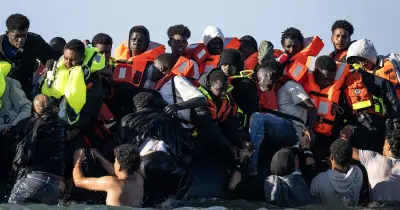
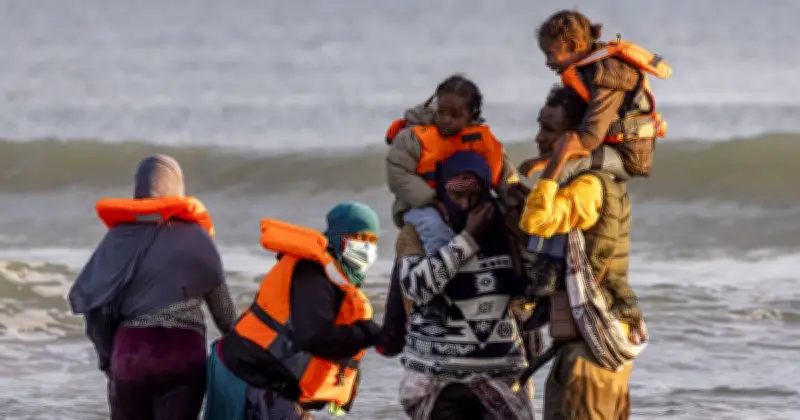
The Government’s "one in, one out" deal with France, aimed at curbing migrant Channel crossings, was scrapped in September. The Home Office said the pilot scheme is "no longer processing new cases", after France reportedly demanded a Europe-wide deal instead. UK ministers would have willingly seen it continue, it is understood.
Under the scheme, people who arrived in the UK after crossing the Channel could be detained and returned to France in exchange for an equivalent number of asylum seekers who applied through a safe and legal route. Some 1,500 asylum seekers had been deported as of October 1, while slightly fewer than that came to Britain from France, PA reported.
Statistics and oversight
The Home Office added in its response: "Since July 2024, we have arrested 1,900 criminals involved in organised immigration gangs, disrupted criminal smuggling activity at record levels, and with France, prevented more than 46,000 attempted Channel crossings."
"We have removed over 78,000 people (an increase of 52%) with no right to be here and delivered returns of small boat arrivals at record levels. We are continuing to exit asylum hotels, with fewer than 160 now remaining, reduced from 400 in use at the peak of 2023."
"Record numbers of asylum decisions have been made, and the introduction of a new 24-week target for deciding asylum and immigration appeals for those in accommodation and foreign national offenders will cut delays further from the current average wait of 67 weeks. Overall, asylum costs have fallen by £1 billion since the 2024 general election."
The Home Office noted that the Independent Chief Inspector of Borders and Immigration provides independent scrutiny, the Home Affairs Committee examines government policy and spending, and the National Audit Office supports Parliament in holding the Government to account. It concluded: "The Government is already subject to extensive public and parliamentary scrutiny... This, combined with the substantial package of work already underway and existing oversight mechanisms, the Government does not consider that a public inquiry is necessary to identify these challenges or determine how they should be addressed."