

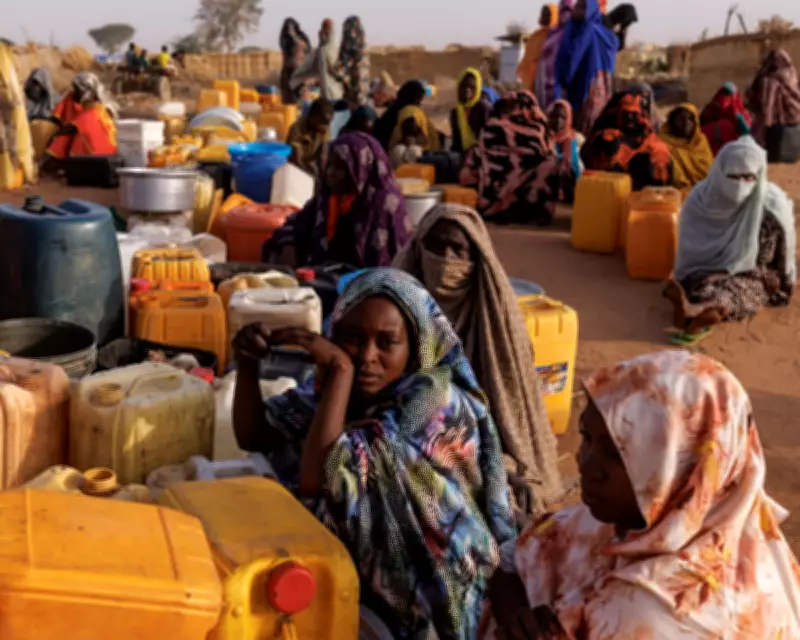
Internal displacements caused by violence and conflict soared to a record high of 75.9 million in 2025, marking a 20% increase from the previous year, according to a new report from the Internal Displacement Monitoring Centre (IDMC). This figure represents the highest number of people forced to flee their homes within their own country due to conflict and violence ever recorded.
Key Drivers of Displacement
The report highlights that the surge was primarily driven by escalating conflicts in Sudan, the Democratic Republic of the Congo, and Myanmar. In Sudan alone, over 11 million people were internally displaced, making it the country with the highest number of internal displacements for the third consecutive year. The ongoing civil war between the Sudanese Armed Forces and the Rapid Support Forces has led to widespread destruction and humanitarian crises.
In the Democratic Republic of the Congo, renewed violence in the eastern regions displaced an additional 3.5 million people, while in Myanmar, the expansion of armed conflict following the military coup in 2021 pushed the total number of internally displaced persons to over 3 million.

Regional Breakdown
Sub-Saharan Africa accounted for the largest share of global internal displacements, with 45 million people displaced across the region. The Middle East and North Africa region also saw significant increases, particularly in Syria, where a decade-long conflict continues to uproot populations, and in Yemen, where the protracted war has left millions displaced.
In the Americas, Colombia experienced a rise in internal displacements due to clashes between armed groups, while in Europe, the war in Ukraine resulted in 5.3 million internally displaced persons, though this number remained relatively stable compared to previous years.
Impact of Climate Change
The report also notes that climate change is exacerbating displacement, with weather-related events such as floods and droughts contributing to 32.6 million internal displacements in 2025. However, the majority of displacements were still conflict-related.
Jan Egeland, Secretary-General of the Norwegian Refugee Council, which hosts the IDMC, said: "The world is failing to protect its most vulnerable people. The record number of internal displacements is a stark reminder that peace and security remain elusive for millions. We need urgent international action to address the root causes of conflict and to support those forced to flee."
Challenges in Data Collection
The IDMC acknowledges that the figures may be underestimates due to difficulties in data collection in active conflict zones. The report calls for improved monitoring and reporting mechanisms to better understand the scale of the crisis.
As the international community grapples with these challenges, the need for comprehensive solutions that address both the immediate humanitarian needs and the underlying drivers of displacement has never been more pressing.






