
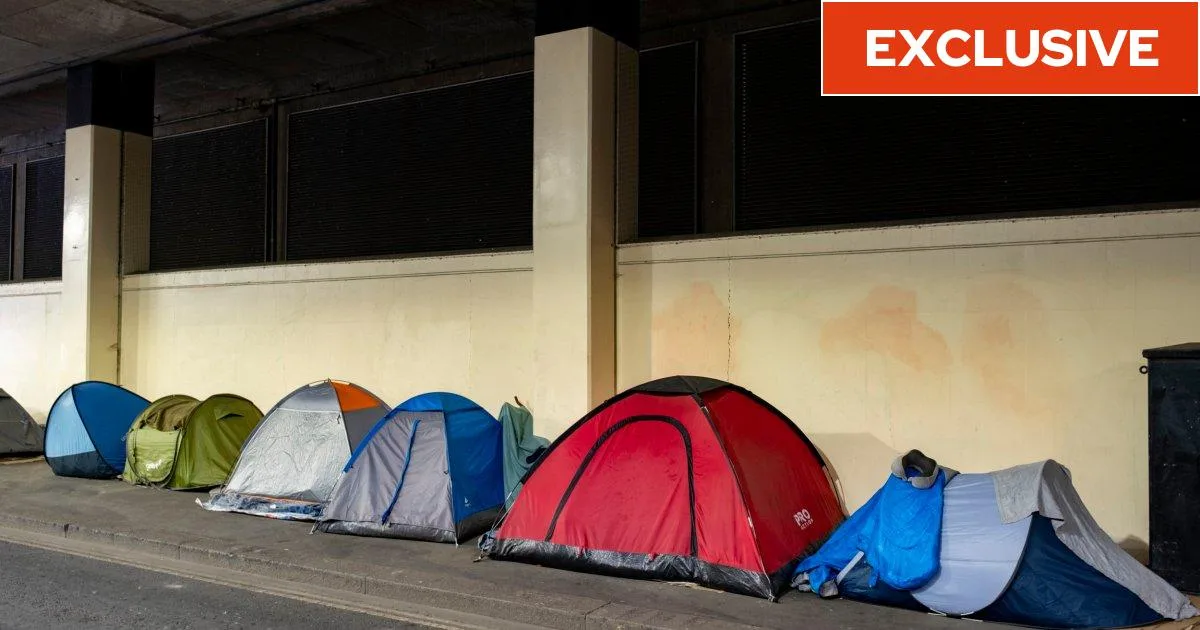
The cost of temporary accommodation for homeless families in England has risen to over £1bn a year, sparking fears that more councils will be pushed towards bankruptcy. Exclusive data from the Local Government Association (LGA), shared with i, reveals that spending on emergency housing has more than tripled since 2015/16, from £315m to £1.048bn in 2023/24.
Councils are now spending an average of 61 per cent of their housing budget on temporary accommodation, up from 18 per cent eight years ago. This leaves less funding for prevention services, mental health support, and move-on accommodation for rough sleepers. Some local authorities are spending over half their housing budget on hotels, B&Bs, and converted office blocks.
Councillor Claire Holland, the LGA's housing spokesperson, warned that these bills present a growing risk to councils' financial sustainability. She said some private providers have hiked prices and threatened to withdraw accommodation, leaving homeless families in the lurch. The LGA represents councils across England and Wales.
With nearly 113,000 households in temporary accommodation, councils may be forced to issue Section 114 notices – effectively declaring bankruptcy – as Birmingham Council did in 2023. That led to a 21 per cent council tax rise over two years and cuts to housing budgets. Labour has promised to ban Section 21 'no fault evictions', a leading cause of homelessness, but neither major party has pledged extra funding for temporary accommodation.
The Conservatives have committed to a review of temporary accommodation quality. The LGA is calling for more social housing and an end to the Right to Buy scheme, which has reduced affordable housing stock. Last year, i reported that homelessness may have contributed to at least 34 children's deaths in England between 2019 and 2022.




