

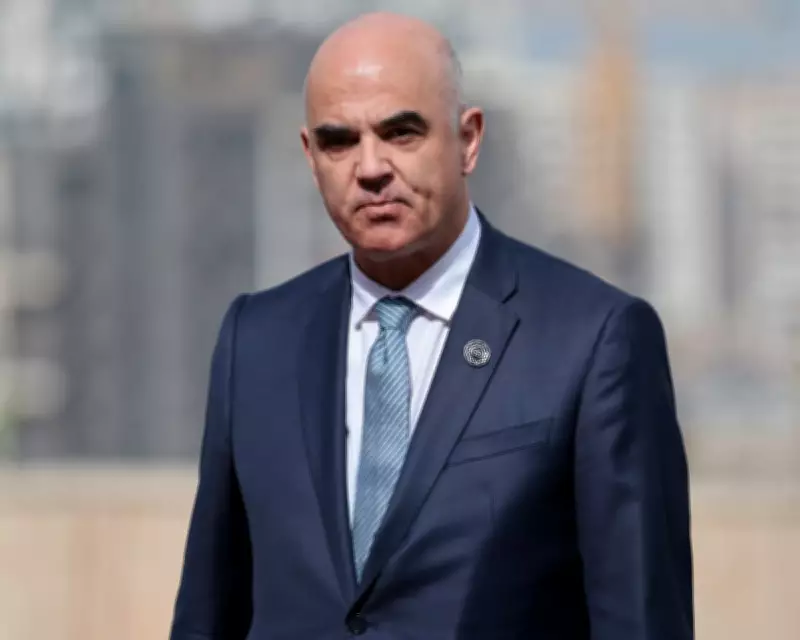
European interior ministers have signalled their support for the creation of asylum processing centres in third countries, following a meeting in Brussels on Tuesday. The proposal, which has gained traction amid rising migration numbers, would see migrants intercepted before reaching EU borders and transferred to facilities outside the bloc for assessment of their claims.
Key Decisions from Brussels Summit
The meeting, chaired by the European Commissioner for Home Affairs, saw ministers from 27 member states debate the feasibility of outsourcing asylum procedures. A joint communiqué issued after the talks stated that 'the concept of processing asylum applications in safe third countries warrants further exploration.' No concrete timeline was set, but a pilot project involving Moldova was discussed.
Moldova as a Potential Hub
Moldova, a non-EU country bordering Romania, has been identified as a possible location for a pilot hub. The country's government has expressed openness to the idea, provided adequate financial and logistical support is provided by the EU. However, human rights groups have condemned the plan, arguing that it could violate international law by denying refugees access to fair procedures.

Under the proposed system, migrants rescued at sea or intercepted on land routes would be taken directly to processing centres in Moldova or other partner countries. Those found to have valid asylum claims would be resettled in the EU, while rejected applicants would be returned to their countries of origin or held in the third country.
Political Reactions
The UK, which is not part of the EU but has observer status, endorsed the move. A Home Office spokesperson said: 'We welcome any initiative that deters illegal migration and breaks the business model of people smugglers.' Critics, however, argue that the plan mirrors Australia's controversial offshore processing policy, which has been widely criticised for its human rights record.
The European Council on Refugees and Exiles warned that such hubs could create 'legal black holes' where migrants have limited access to legal representation and appeals. 'Outsourcing responsibility does not make it disappear,' said a spokesperson for the organisation.
Next Steps
The European Commission has been tasked with drawing up a detailed proposal by September, including legal frameworks and funding mechanisms. Any final decision would require unanimous approval from all member states, which remains uncertain given divisions over migration policy.
Meanwhile, Moldova has requested guarantees that the hubs would be temporary and that the EU would cover all costs. 'We are not a dumping ground for Europe's problems,' said Moldova's interior minister in a statement. 'Any agreement must respect our sovereignty and capacity.'






