DHS Oversight Gutted as Complaints Soar and Deaths in Custody Hit 20-Year High
Court records reviewed by the Guardian expose a radical transformation of the Department of Homeland Security's independent watchdog teams under the Trump administration, leading to thousands of cases related to immigration detention conditions, deaths in custody, and officers' use of force going uninvestigated. This overhaul starkly contradicts the administration's repeated claims that the DHS watchdogs are performing "all required functions," as the department faces mounting public criticism over escalating arrest tactics and plans to expand immigrant detention.
Legal Battle Reveals Systemic Failures
Hundreds of pages of court filings from a federal lawsuit in Washington DC, brought by the Robert and Ethel Kennedy Human Rights Center alongside advocacy groups like the Southern Border Communities Coalition and the Urban Justice Center, detail the dismantling of oversight. The lawsuit targets the DHS and former homeland security secretary Kristi Noem, alleging that actions to "eliminate" watchdog offices exceed legal powers, violate constitutional separation of powers, and are arbitrarily capricious. Initially, the DHS claimed these offices "obstructed immigration enforcement" and closed them last March, only to backtrack after the lawsuit and allocate minimal staff.
Key findings from the records include:

- From late March to 12 December 2025, the civil rights watchdog office received nearly 6,000 complaints but investigated only 554, with just 183 (3%) handled directly, compared to a historical 20% investigation rate.
- Staffing at the DHS Office of Civil Rights and Civil Liberties (CRCL) has plummeted to fewer than 40 people, including contractors, down from 147 full-time employees before Trump's return to office.
- The Office of the Immigration Detention Ombudsman (OIDO) now employs only five people, a drastic drop from 118 at the start of 2025.
- In 2025, the CRCL reviewed about 10 reports of deaths in immigration jails but investigated only one, despite 32 deaths marking the deadliest year in over two decades.
- Complaint mechanisms have been severely restricted, with submissions now accepted only in English via an online portal, despite limited internet access in detention centers.
Oversight Officials Lack Basic Knowledge
Depositions reveal alarming gaps in oversight. Joseph Guy, deputy chief of staff to Kristi Noem and acting ombudsman for the OIDO, admitted in a December deposition that he had never seen the 15-year-old manual outlining detention standards and was unfamiliar with key policies. Guy also disclosed he works roughly 50 hours weekly in his primary role but only five hours as ombudsman, raising questions about commitment to oversight duties.
Eric Welsh, an immigration specialist and former Department of Justice attorney, warned, "The gutting of watchdog offices is incredibly dangerous. When the executive removes themselves from oversight, there is an extremely large risk of misbehavior." He added that the DHS has shown a willingness to flout laws, and without guardrails, it could become an incredibly corrupt government.
Impact on Civil Rights and Public Safety
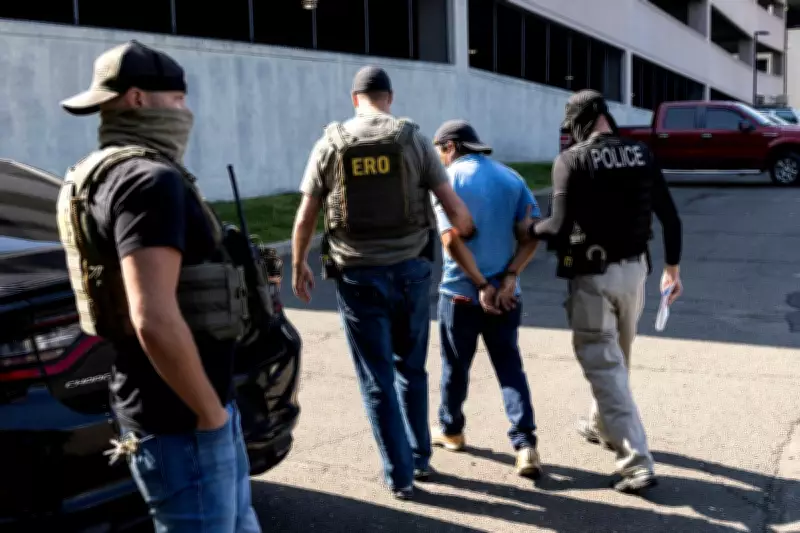
The reduction in oversight coincides with increased immigration enforcement. For instance, an immigrant rights group filed a complaint in June 2025 about ICE agents' alleged excessive use of force in San Diego, where flash-bang grenades injured a pregnant woman and children during protests. The group never received acknowledgment from the civil rights office, highlighting systemic failures. Anthony Enriquez of the Kennedy Human Rights Center noted that while the watchdogs were imperfect, they provided crucial constraints on abuses, and their dismantling suggests intentional obstruction of enforcement accountability.

In response to inquiries, a DHS spokesperson stated, "DHS remains committed to civil rights protections and is streamlining oversight. In the past, these offices had obstructed immigration enforcement by adding bureaucratic hurdles and undermining DHS's mission." However, critics argue this streamlining has effectively shut down vital protections, as confirmed by the latest court records from February, which show the watchdogs were not reorganized but disassembled to avoid hindering immigration enforcement.
The ongoing legal battle underscores a broader trend of weakened oversight under the Trump administration, with experts warning that without independent checks, the risk of grave abuses in immigration enforcement continues to escalate.