
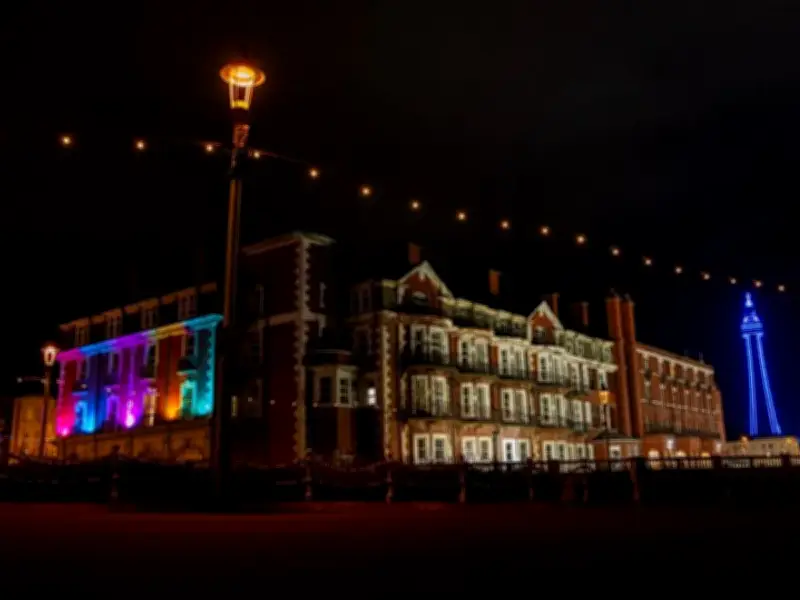
The Grand Metropole Hotel on Blackpool Promenade is one of 13 asylum hotels named for closure by the government, saving taxpayers £51 million and bringing the total number of such hotels below 160, the Home Office said.
Historic Blackpool site among closures
The grade II-listed Grosvenor Hotel in Stratford-upon-Avon is also on the list. The Grand Metropole is one of the two oldest hotels in Blackpool. The closures continue a process begun under former Prime Minister Keir Starmer and carried on under Andy Burnham's premiership.
Ministers are increasing the use of more "basic" sites including former military barracks, having pledged to stop using asylum hotels completely by the next election. The number of asylum hotels peaked at around 400 under the Conservatives.
Government defends policy
Immigration minister Anna Turley said: "For too long, communities have watched hotels at the centre of their towns and cities become symbols of a broken asylum system.
"We are turning that around by ending the use of asylum hotels for good and moving people into larger, basic accommodation like former military sites.
"This Government’s reforms are overhauling the immigration system to restore control at the border, and fairness to our immigration system."
Previous closures and future plans
Labour has already closed several prominent sites, including the Bell Hotel in Epping, Essex, which became a focal point for protesters after a resident sexually assaulted a teenage girl. Shabana Mahmood stayed on as Home Secretary when Mr Burnham took over from Sir Keir Starmer, and there is no indication of a change of approach.
Plans could include housing 3,750 asylum seekers at former military bases at Barnham in Suffolk, Linton-on-Ouse in North Yorkshire, and Bicester in Oxfordshire, where nearby village Piddington has staged a symbolic independence referendum in protest. The government is also looking to expand the use of existing sites in Crowborough in East Sussex until 2030 and Wethersfield in Essex beyond 2027, despite opposition from locals.
Refugee Council response
The Refugee Council’s Imran Hussain said: "Hotels often are isolating for refugees, making it harder to access health and advice services. They are also costly and have become magnets for abuse and the far right.
"But an approach that is focused on moving people from hotels to military sites will only go so far, especially when poor quality decision making by the Home Office is keeping a large number of people reliant on asylum support and accommodation for far longer than is necessary."
The issue of people being housed in hotels came to the fore last year with protests outside some sites, including in Altrincham and Fallowfield. At the Bell Hotel, protests broke out after resident Hadush Kebatu sexually assaulted a 14-year-old girl. He was found guilty of five offences – including sexual assault – and jailed, then mistakenly released from HMP Chelmsford last October before being detained and deported to Ethiopia.




