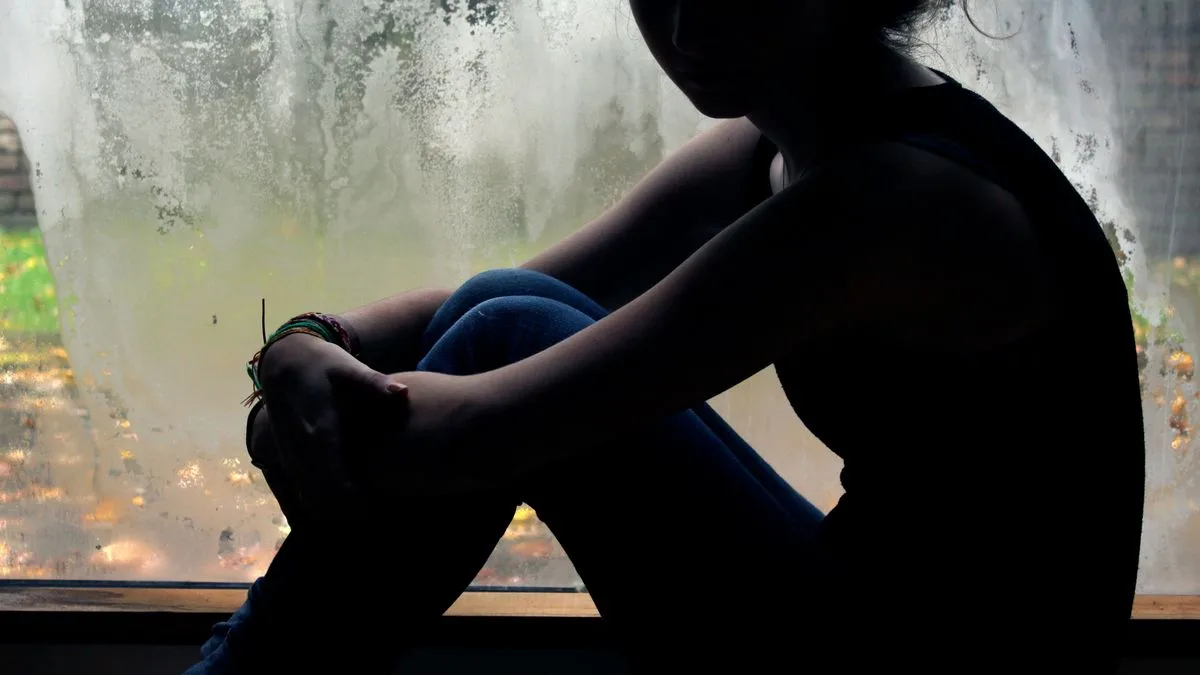
AI Deepfake Porn Scandal at Quaker School: 21 Girls Victimized

A major scandal has erupted at The Friends' School, the largest Quaker school in the world, located in Tasmania, Australia, after artificial intelligence (AI) was used to create deepfake pornography of female pupils. The images were shared in a group chat among boys at the school, prompting outrage from parents and intervention from Tasmania Police.

Incident Details

Police confirmed that a number of girls had their photographs manipulated using AI software to generate explicit content. A deepfake is an image or video where a real person's face or body is edited using AI to create a false depiction. In this case, the technology was employed to produce pornographic material. Parents of two victims reported that police identified 21 victims in total. Five boys have since left the school after being identified as creators and distributors of child pornography.

Parents' Response

Parents expressed frustration with the school's handling of the situation. One mother told the Australian Broadcasting Corporation (ABC) that she first learned of the scandal through "chatter" from her daughter in early March. A senior staff member informed her on April 1 that her daughter's image was involved, after police had been contacted. The staff member reportedly suggested that most parents had decided not to tell their children about the abuse, which the mother strongly opposed.

Wide Pickt banner — collaborative shopping lists app for Telegram, phone mockup with grocery list

"I felt I was being encouraged not to tell my daughter," she said. "We're talking about sexual assault, about child pornography, and they're taking our girls' voices away from them. Our girls have a right to know they've been involved in things like this, and they have a right to be educated on how to handle it."

Another parent described being "gobsmacked" when the school confirmed her daughter's image had been used. She was also told that most parents were not planning to inform their daughters. She called the phone call from the school cautious and lacking in detail.

Impact on Victims

According to reports, the AI-generated images initially showed the girls clothed but later progressed to nudity and explicit pornography. The images were lifted from social media. Although the boys involved have left the school, the victims are left feeling confused and isolated. One parent said, "She doesn't know if any other girls have been told. So they're at school not talking about it." Another added, "It's almost like there's an element of shame there."

A mother wrote to Tasmania's education minister, Jo Palmer, stating: "The girls are now finding themselves in awkward and uncomfortable situations with one another. They are uncertain about what they can say and to whom, particularly as they do not want to inadvertently disclose information to students who have not been informed by their parents. This has created an environment of confusion, isolation, and shame amongst the very girls who need support and solidarity the most."

Official Responses

Education Minister Jo Palmer expressed sympathy, saying she could not "imagine the distress this situation has caused" and referred the school to the Non-Government School Registrations Board. In an email to parents, school principal Esther Hill claimed the school acted "promptly, in line with our child safety obligations" and that affected families were informed in a "careful and supportive manner." She said the school is reviewing its processes and seeking external input. However, she did not comment on informing the girls or providing support for their well-being.

Tasmania Police stated no charges have been laid, but the five youths are being dealt with under the Youth Justice Act. Sofia Weerts from the Victorian Women's Trust commented: "It is damning evidence of an ongoing imbalance of cultural values, whereby the lives, experiences and dignity of women and girls are deemed less worthy of respect." She added that society must address the misogyny that enables such abuse.

In 2024, the Australian federal government introduced laws banning non-consensual deepfake adult pornography, with a maximum penalty of seven years in prison. The Friends' School has been contacted for further comment.

Pickt after-article banner — collaborative shopping lists app with family illustration




