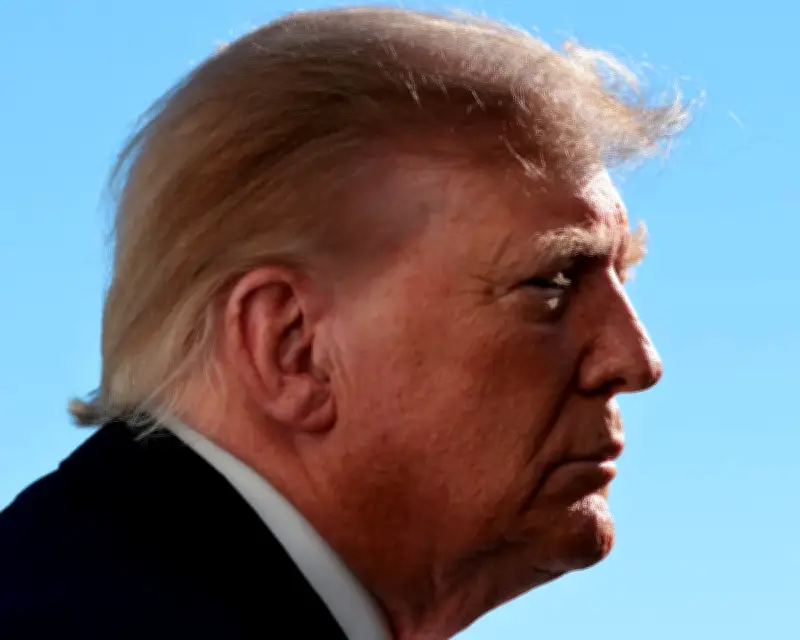
Tuesday's US midterm elections delivered a crushing defeat for Donald Trump and the Republican party, with Democrats winning Senate seats in Kansas for the first time since 1932, in Texas since 1988 and in South Carolina since 1998. The House of Representatives and Senate flipped from one party to the other in the same midterm for the first time since 2006, ensuring that Congress will now act as a bulwark against Trump's expansion of executive power.
The president, who noted he was not on the ticket on Tuesday, is described as the architect of his own lame duck status. After spending months urging voters to pretend he was on the ticket, he had done as much as possible to sabotage his own party. In 2024 he won the presidency promising to lower prices and end foreign wars, but his tariffs added upward pressure on prices and his attack on Iran pushed them higher still.
Voters deliver their verdict
Trump's campaign was marked by long rambling speeches about architectural projects, outbursts of Islamophobia and musings about the “ass” of a Republican senator from Ohio. It culminated at the Lincoln Memorial Reflecting Pool, where he declared victory in the war on algae. The voters said: enough is enough.
According to exit polls from the Associated Press, voters named the cost of living and government corruption as their two top issues. Trump, who was purported to be an economic populist, had flaunted his self-enrichment and fancy ballroom even as people struggled to put food on the table, a factor that proved too much for even some in his supposedly rock-solid base.
What happens next for Trump
From January, Democrats will have the power to block legislation, launch investigations into Trump's administration and thwart his judicial and senior government appointments. Life could become uncomfortable for the likes of Pete Hegseth, the defense secretary, or Big Tech leaders such as Elon Musk. Democrats might even consider impeaching Trump for a third time.
The president could find himself under siege, a diminished figure mired in Washington gridlock and reduced to wielding a veto pen, which he had already started threatening to use on Tuesday evening. However, Trump paid little attention to Congress during his first two years in office, apart from the passage of his Big, Beautiful Act of tax and spending measures. He has acted unilaterally on tariffs and military strikes on Venezuela and Iran, and he will likely continue to pursue foreign policy as a legacy project.
The race to 2028 begins
More threatening to Trump than any Democratic investigation is the inexorable march of time. The race to succeed him in 2028 begins now, and this president is psychologically ill-equipped to deal with the prospect of the national spotlight leaving him to focus on JD Vance, Marco Rubio and other potential candidates.
That shift could also eat away at Trump's cult-like dominance of the Republican party and the Maga movement. Members of Congress picking through the wreckage of Tuesday may conclude that Trump is a creature of the past, and that their survival depends on placing the right bets on the future.
Every swing of the electoral pendulum gets over-interpreted. Trump's two presidential election victories were seen as a fundamental shift in America, even though he never achieved 50% of the national popular vote. His defeat in 2020 was hailed as the end of the Trump era, only for him to rise from the political dead four years later. Anyone re-proclaiming the end of that era after Tuesday's landslide should remember that the president is not yet halfway through his second term, and that his id will relish the prospect of fighting Democrats. A wounded Trump who feels he has nothing to lose over the next two years might turn out to be the most reckless and dangerous of all.