

UK's May 7 Elections: Six Key Questions on Councils, Mayors and Devolved Parliaments
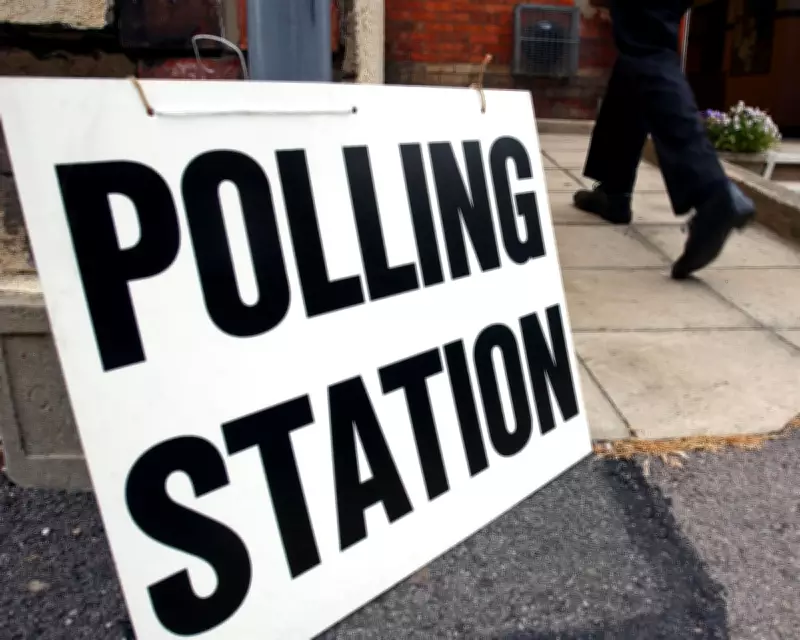
On 7 May, voters across England, Scotland and Wales will head to the polls in a series of crucial elections that will determine the composition of thousands of local council seats, six mayoral positions, 129 Members of the Scottish Parliament (MSPs), and 96 members of the expanded Welsh Senedd. These contests hold significant potential not only for the governance of various regional bodies but also for shaping the future political trajectory of the entire United Kingdom.
Parties including Reform UK, Plaid Cymru, the Scottish National Party (SNP), and the Greens are all anticipating substantial gains, with nationwide repercussions expected from the results. Here is an in-depth exploration of what is at stake through six key questions.
1. What Elections Are Being Held and Where?
In Scotland, voters will select 129 MSPs using a mixed electoral system that combines first-past-the-post constituency voting with proportional regional voting. In Wales, a revised proportional system will be employed to elect 96 members to an expanded Senedd, marking a significant development in Welsh devolution.

Across England, first-past-the-post votes will take place for members of more than 130 councils, encompassing metropolitan, unitary, county, district, and all 32 London borough authorities. Additionally, six mayoral positions are up for election. The electoral process varies, with some authorities re-electing all councillors and others re-electing only one-third of them.
2. So Who's Going to Win?
With the elections still several weeks away, coupled with the complexities of electoral systems and polling variability, definitive predictions remain elusive. However, several broad themes are emerging across the nations.
In Scotland, the contest has been framed as a battle between the SNP and Reform UK, with the SNP maintaining a lead and possessing a reasonable chance of securing an overall majority. In Wales, Reform UK is polling at levels comparable to or slightly behind Plaid Cymru.
Across England, the council landscape is highly varied, but Reform UK is predicted to achieve significant victories, particularly in northern regions. Meanwhile, the Greens are anticipated to gain a large number of councillors, with inner London councils viewed as particularly fertile ground for Zack Polanski's party.
3. What of the Traditional Big Two?
For both Labour and the Conservatives, these elections represent a challenge of damage limitation. Labour is resigned to losing control of Wales for the first time since devolution and is likely to lose ground in Scotland, albeit less dramatically. The situation for Keir Starmer's party across English councils could be particularly grim, with seats expected to be lost to both Reform UK and the Greens.
While less focus is placed on the Conservatives, it is likely to be a difficult election for Kemi Badenoch. Beyond further council losses, the party is defending seats in Scotland and Wales that were last won during the Boris Johnson "vaccine bounce" of spring 2021, with support forecast to more than halve in both nations.
4. What Could the Political Repercussions Be?
Major Labour losses could prompt internal opponents of Keir Starmer to finally break ranks and challenge his leadership as prime minister. Many Labour MPs believe this scenario is very possible, if not inevitable, especially if the UK continues to grapple with the impacts of the US-led war against Iran.
Although Kemi Badenoch is perceived as relatively secure, with her MPs generally believing she has improved in her role, the May elections are likely to highlight how the Conservatives continue to struggle in the polls and are on course to be largely replaced by Reform UK. This outcome could concentrate minds within her party.
The vote could also result in Scotland and Wales being governed by nationalist parties, with Northern Ireland potentially following suit if Sinn Féin wins the Northern Ireland assembly elections in 2027. This would mark a historic first for the UK and pose a significant challenge to its status as a union of four nations.

5. What Else Is Worth Keeping an Eye On?
One potentially significant indicator for the next general election is whether the rise of Reform UK sharpens voters' minds regarding tactical voting. Specifically, observers will watch to see if those vehemently opposed to Nigel Farage's party coalesce to support whichever candidate is seen as most likely to defeat them. While tactical voting tends to be less prevalent in lower-stakes council elections, parties will be closely monitoring this dynamic.
It will also be notable to observe how the Greens perform, particularly beyond urban areas. If they achieve strong results, will this come at the expense of the Liberal Democrats, who have previously ruled out a left-wing alliance, or will the Greens be able to make substantial gains independently?
6. And Which Results Will Be Worth Staying Up For?
Even for dedicated elections enthusiasts, pulling an all-nighter is probably not worthwhile. Very few votes will be tallied on Thursday night, with the majority of counts taking place on Friday and some extending into Saturday. Additionally, caution is advised against attempting to divine trends and lessons immediately after the polls close. Only time will reveal the full implications of these pivotal local elections.





