Electoral Commission Launches AI Deepfake Detection Scheme for May Elections
UK Elections Watchdog Launches Deepfake Detection Scheme

Electoral Commission Launches AI Deepfake Detection Scheme for May Elections

The United Kingdom's elections watchdog, the Electoral Commission, has officially launched a pioneering deepfake detection scheme designed to combat the growing threat of AI-generated misinformation ahead of the upcoming local elections in May. This proactive initiative aims to monitor online platforms for fabricated audio and video content that could potentially mislead voters in the critical period leading up to polling day.

Growing Sophistication of Deepfake Technology

The Electoral Commission has issued a stark warning that deepfake technology is becoming "more sophisticated and more accessible" with each passing year. While the commission noted that deepfakes have "yet to meaningfully affect a UK election," they emphasised the urgent need for preventative measures given the rapid advancement of artificial intelligence tools. The proliferation of AI platforms like Grok has made creating convincing fake content easier than ever before, raising significant concerns about electoral integrity.

This concern is amplified by recent electoral experiences. During the 2024 general election, more than half of voters reported encountering misleading information about political parties or candidates, with approximately a quarter specifically recalling seeing or hearing deepfake content. The international landscape provides further cause for alarm, as demonstrated by an incident in Ireland where a deepfake falsely portrayed a presidential candidate withdrawing from the race just days before voters went to the polls.

Wide Pickt banner — collaborative shopping lists app for Telegram, phone mockup with grocery list

Comprehensive Monitoring and Response Strategy

The newly implemented pilot programme will employ a multi-faceted approach to address the deepfake threat. The system will continuously scan online content to identify AI-generated audio and video designed to deceive the electorate. Beyond mere detection, the scheme will track the actual impact of these deepfakes on voter intentions and perceptions. Furthermore, the Electoral Commission will collaborate directly with political parties and candidates to facilitate the removal or correction of misleading material once identified.

The commission is delivering this initiative in partnership with the Home Office, ensuring a coordinated governmental response to this emerging technological challenge. Following the conclusion of the May elections, the Electoral Commission has committed to publicly sharing its findings and insights gained from the pilot programme, contributing to broader understanding of how best to safeguard democratic processes in the digital age.

Political and Personal Impacts of Deepfakes

Members of Parliament have repeatedly voiced concerns that current legislation has failed to keep pace with technological developments, particularly regarding the disturbing rise of sexually explicit deepfakes targeting female political candidates. Labour MP Alex Davies-Jones highlighted this pervasive issue in a recent BBC interview, stating, "I don't think you'll find a politician who hasn't had this done to them... to say it out loud makes me feel quite sad."

Davies-Jones further explained the difficult position faced by victims, noting that speaking out about non-consensual sexual deepfakes could paradoxically lead to "increased targeting." She emphasised that such malicious content represents a fundamental threat to democratic health, asserting that their existence was "no good for any healthy democracy."

Commitment to Electoral Integrity

Vijay Rangarajan, Chief Executive of the Electoral Commission, articulated the organisation's firm commitment to protecting the integrity of the electoral process. "Voters want accurate information," Rangarajan stated. "Deliberately misleading or abusive video of candidates must not be shared. Deepfakes are becoming more sophisticated and more accessible, as we have seen in elections around the world."

He continued with a determined pledge: "A deepfake is yet to meaningfully affect a UK election, and we are determined to keep it that way. This pilot means we can identify deepfakes quickly, track their impact, work with parties and candidates to take down or correct misleading material. This will give voters confidence that accurate information about how elections work is available."

Pickt after-article banner — collaborative shopping lists app with family illustration

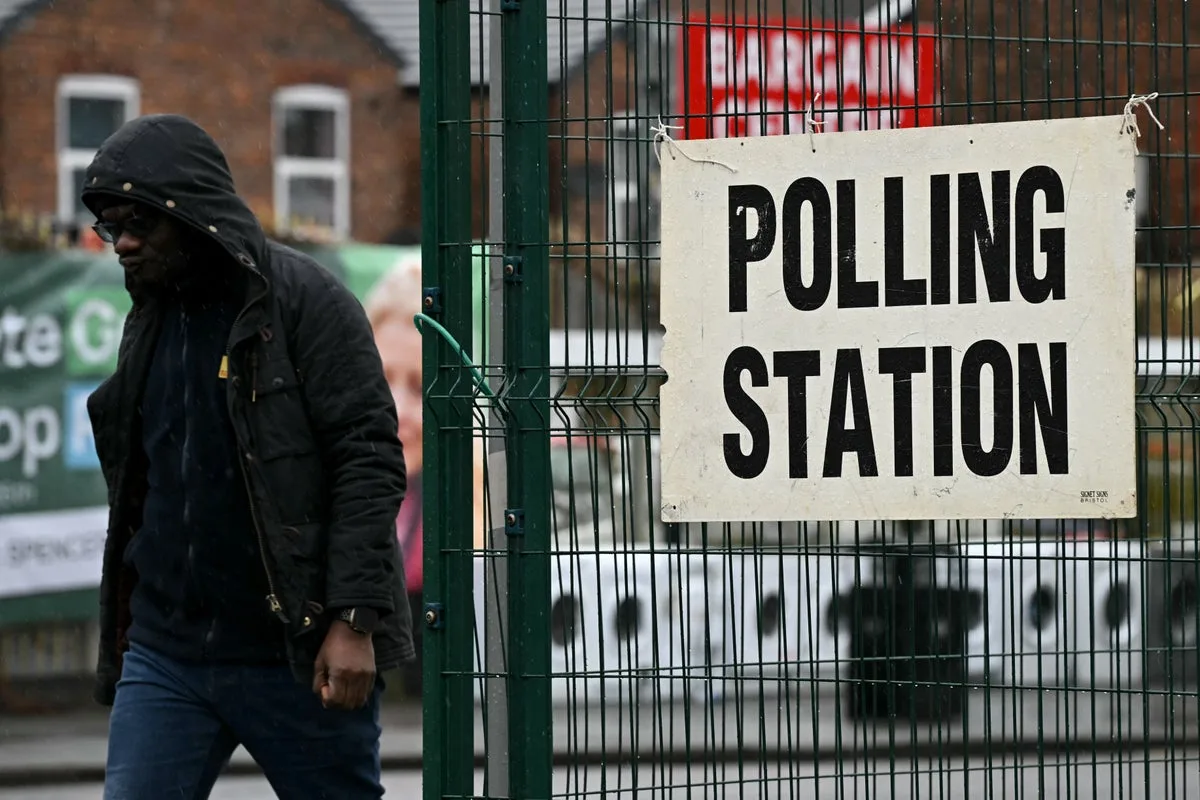
Voters across England are scheduled to participate in local elections on 7 May, electing representatives to serve on their respective councils. The Electoral Commission's deepfake detection scheme represents a crucial step in ensuring these elections proceed with minimal interference from AI-generated misinformation, thereby upholding the fundamental principles of democratic choice and informed decision-making.




