

As local and regional elections across the United Kingdom draw near, the ghost of Trussonomics continues to loom large over political discourse. Parties including the Greens, Reform UK, Your Party, Restore Britain, the Conservatives, and even the Liberal Democrats are indulging in extravagant spending promises. These pledges are often financed through additional borrowing or cuts to other areas, with proponents arguing they will incur no negative economic repercussions.
The Legacy of Liz Truss's Economic Strategy
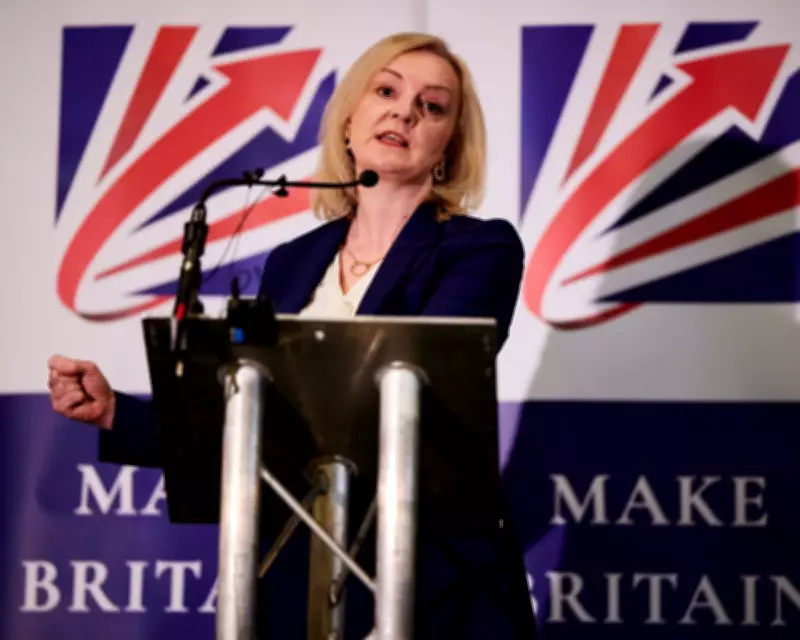
During her brief tenure as prime minister, Liz Truss championed massive tax reductions valued at £45 billion. This plan was to be funded by extra government borrowing and so-called welfare 'efficiencies'. Aimed primarily at wealthier individuals, the economic rationale hinged on unleashing entrepreneurial energy to propel Britain out of a prolonged slump in productivity and stagnant average incomes.
Current Party Promises Echo Past Failures
In the run-up to May's local elections, numerous parties are offering what critics label as 'magic bullet' policies. The Conservatives, for instance, advocate for significant expenditure after implementing severe welfare benefit reductions. At their recent conference, they highlighted a commitment to slash the welfare bill by £23 billion, with Shadow Chancellor Mel Stride declaring an end to the 'something for nothing' culture.

Green Party leader Zack Polanski has moderated some of his party's more radical economic proposals, though the agenda remains ambiguous. Previous election manifestos from the Greens outlined plans to raise taxes by over £170 billion annually by the end of the next parliament, including a £90 billion yearly carbon emissions tax, to support a comparable increase in public spending.
Reform UK has wholeheartedly embraced Trussonomics, with a key pledge to raise the income tax threshold from £12,570 to £20,000, costing the exchequer more than £40 billion per year.
Labour's Cautious Approach Amid Fiscal Challenges
In contrast, Keir Starmer and his Labour colleagues appear resistant to the hysterical demands for economic reconfiguration without spillovers or unintended costs. Labour's strategy focuses on generating extra economic growth while adhering to strict spending limits. Chancellor Rachel Reeves has wagered that an early spending surge will stimulate the economy in time for the next general election.
However, the damage inflicted by the previous government is still underestimated, leaving Labour with a larger fiscal deficit than the £22 billion initially publicised by Reeves. Procrastination within Whitehall further complicates matters, with Starmer bearing some responsibility for delays in decision-making that hinder effective use of allocated funds.
Broader International Context and Voter Sentiment
Underlying many of these proposals is a pervasive belief that the UK can reverse over a century of decline with simplistic solutions, ignoring impacts on financial markets and trading partners. This trend mirrors international examples, such as Donald Trump's protectionist policies in the US or the dramatic economic overhauls proposed by Marine Le Pen and Jean-Luc Mélenchon in France.
Fortunately, French voters recently rejected gesture politics in local elections, opting for more centrist candidates in key cities like Paris and Marseille. This suggests a growing recognition that in an era marked by major wars, technological shifts, and climate change, there are no easy answers.
The Need for Sensible Governance
The overarching lesson from Truss's disastrous premiership is not merely that tax cuts are unsustainable for major economies like the UK. It is the dangerous illusion that an escape hatch exists to propel the economy to a higher plane without consequences. In an uncertain world, sensible and rational government is preferable to outlandish initiatives that create numerous disaffected losers.
As the UK approaches these critical local elections, the challenge for all parties is to balance ambitious promises with fiscal responsibility, learning from the costly mistakes of Trussonomics.






