French Socialists Consolidate Urban Power as Far-Right Fails to Make Widespread Gains
The final round of France's municipal elections has delivered significant victories for the Socialist Party, reinforcing their control over key urban centres, while the far-right National Rally struggled to achieve a broader breakthrough, setting the stage for the 2027 presidential succession.
Socialist Triumphs in Major Cities
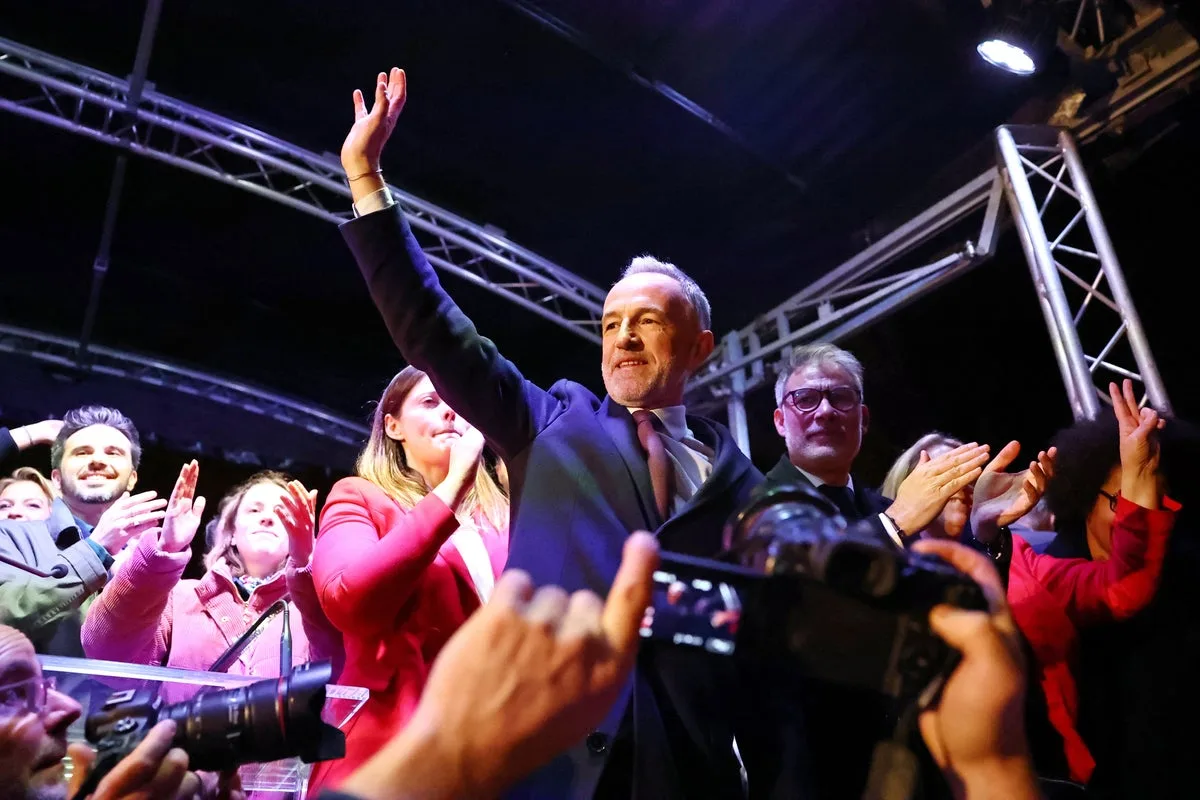
In a decisive outcome, Socialist candidate Emmanuel Grégoire emerged victorious in the Paris mayoral race, succeeding fellow party member Anne Hidalgo. Early estimates based on partial results placed him well ahead of conservative rival Rachida Dati, who conceded defeat. Grégoire celebrated his win, stating, "Tonight is the victory of a certain vision of Paris: a vibrant Paris, a progressive Paris." He notably rode a bicycle through the streets to City Hall, symbolising his campaign's focus on sustainability and urban vitality.
Incumbent Socialist administrations were comfortably returned in other major cities, including Marseille and Lille. These wins came as the party distanced itself from far-left factions amid accusations of antisemitism, strengthening their appeal among mainstream voters.
Far-Right's Mixed Results
The far-right National Rally, led by Marine Le Pen, secured a major victory in Nice, France's fifth-largest city, with Eric Ciotti, a former conservative who allied with the party, winning the mayoral race. However, this success was overshadowed by losses in several priority targets. In Marseille, left-wing Mayor Benoît Payan defeated far-right candidate Franck Allisio, and mainstream rivals also prevailed in southern cities like Nîmes and Toulon, a key naval base.
These setbacks highlight the challenges the far-right faces in expanding its influence beyond regional strongholds, despite ongoing efforts to capitalise on national political tensions.
Voter Turnout and Electoral Context
French voters returned to polling stations on Sunday for the final round in 1,500 communes, electing mayors and municipal councillors for six-year terms. Turnout at 5 pm local time was just over 48% in mainland France, higher than during the 2020 Covid-19 pandemic vote but four points lower than in 2014, according to the interior ministry. Polling stations remained open until 8 pm in larger cities to accommodate voters.
The elections were widely viewed as a crucial test of political dynamics ahead of the 2027 presidential race to succeed President Emmanuel Macron. With definitive results still pending in some areas, the outcomes signal a reinforcement of traditional left and right parties, while the far-right's ambitions were curtailed.
International Backdrop and Future Implications
Some voters linked the municipal elections to broader global conflicts, such as the wars in Ukraine and Gaza, expressing concerns about potential shifts in French politics. Elena Van Langhenhoven, 81, remarked, "We have war in Ukraine, war in Gaza, war in the Middle East. And France, will it see a major shift next year, in the presidential elections? It's horrendous."
As France looks toward the 2027 presidential contest, these municipal results may influence party strategies and voter alignments, with the Socialists bolstering their urban bases and the far-right reassessing its outreach efforts.






