Reform UK Faces Internal Jitters and Right-Flank Threat Ahead of Local Elections
Reform UK's Poll Slide and Candidate Woes Before May Vote

Nearly a decade after his passing at age 53, singer George Michael continues to be cherished by millions worldwide. However, for Lord Malcolm Offord, chairman of Reform UK in Scotland, the pop icon and his surviving partner Fadi Fawaz became targets for derogatory remarks. In 2018, the peer made an unprintably crude and homophobic joke about the couple during a Burns Night dinner, footage of which resurfaced last week, sparking widespread condemnation.

Polling Paradox and Coalition Building

While such controversies may fade, a fascinating poll last month revealed a surprising trend: Reform UK is the most popular party among gay and bisexual British men, with 25% intending to vote for Nigel Farage. This places them 6% ahead of the Greens and 7% above Labour. As Reform councillor Darren Grimes humorously noted, "Reform UK has more gays in it than Heaven nightclub." This striking statistic, partly driven by concerns over militant Islamist sectarianism in Britain, offers insight into the unlikely coalition Farage is assembling ahead of next month's critical local elections.

Mounting Nervousness Within Reform Ranks

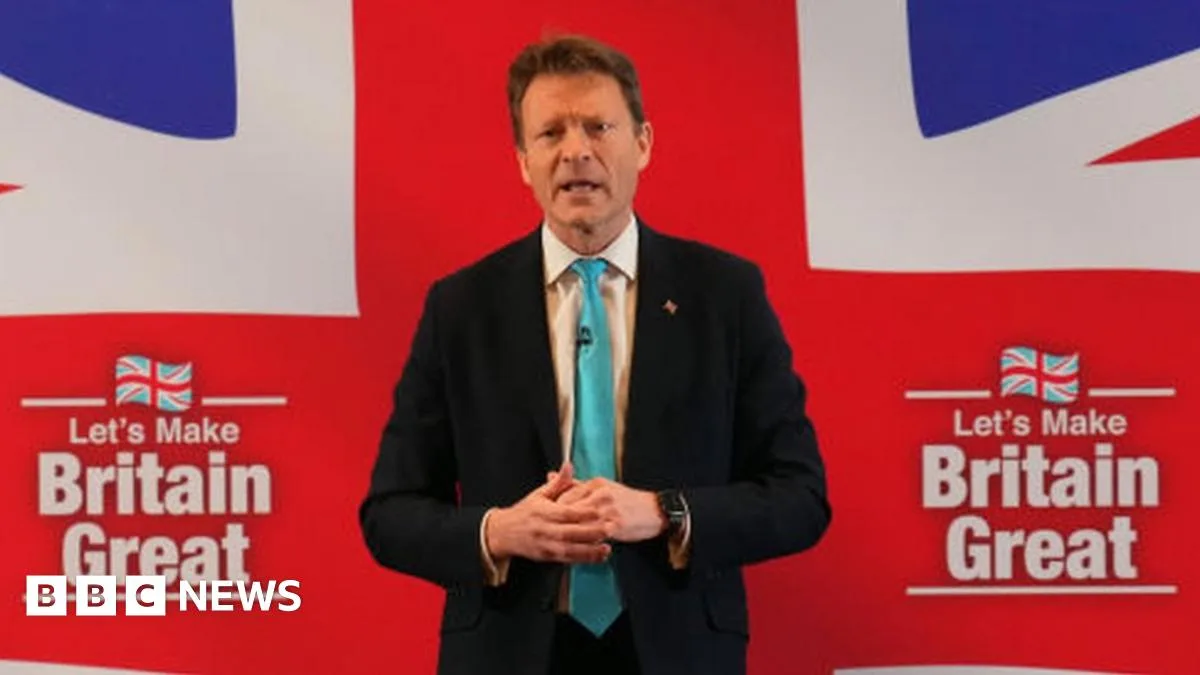
Despite this support, there is growing anxiety within Reform UK. A senior figure admits to "jitters" at the party's Millbank Tower offices, formerly New Labour's riverside bastion, as the May 7 ballot approaches. After securing 15% of the vote in the 2024 General Election, Reform soared to 35% in polls by last September, holding a 15-point lead over Labour. Farage appeared on track to seize 343 seats at the next General Election, surpassing the 326 needed for a majority. With defections, the party now boasts eight MPs.

Wide Pickt banner — collaborative shopping lists app for Telegram, phone mockup with grocery list

However, since November, support has been sinking. Reform averages 26% in polls, with a recent YouGov survey placing them at just 23%. Even at 26%, they would fall dozens of seats short of a majority, likely necessitating a coalition with the Conservatives, a prospect many Reform supporters despise.

Candidate Selection Problems and Controversies

Anxiety over the upcoming elections is exacerbated by mounting candidate issues. Last week, Farage sacked housing spokesman Simon Dudley, a Tory defector, after Dudley remarked that the 2017 Grenfell fire, which killed 72 people, was a "tragedy" but added carelessly, "Everyone dies in the end." While making a point about health-and-safety legislation, the crass comment provided ammunition for Reform's critics.

Last month, three Reform candidates withdrew from the Welsh Senedd elections, where the party hopes to end a century of Labour dominance. Eight Scottish candidates have also stepped down. Resigning Welsh councillor Owain Clatworthy stated, "A lack of discipline and serious concerns around candidate selection have made it clear to me that Reform UK is no longer operating in a way that reflects the standards the public deserve."

Others echo this sentiment. During Reform's local-election campaign launch with a pyrotechnical rally, a photo emerged of a Welsh candidate apparently performing a Nazi salute. Additionally, last month, mayoral candidate Chris Parry was suspended after disgracefully comparing members of a Jewish charity ambulance service, victims of an arson attack, to "Islamists on horseback."

Farage's Recruitment Dilemma

These episodes highlight Farage's bind. He positions Reform as outsiders challenging a stale Westminster establishment, but the talent pool for recruiting mavericks to take on the Tory-Labour "uniparty" is limited. Consequently, he increasingly relies on Tory defectors like former home secretary Suella Braverman and ex-chancellor Nadhim Zahawi, both of whom served in Boris Johnson's Cabinet—anathema to many Reform members due to the surge in net migration under that administration.

It becomes challenging for Farage to claim Reform represents a break from the Tories when ex-Tories dominate its ranks. After Zahawi's appointment, about 1,000 Reform members resigned in protest, and Farage promised a major Labour defection. Westminster whispers suggested it would be ex-Blairite minister Baroness Kate Hoey, but she denied any plans to join. Last month, Farage unveiled former London Labour council leader Sir Robin Wales as his latest defection—hardly the major political figure promised.

Pickt after-article banner — collaborative shopping lists app with family illustration

New Threat from the Right: Restore Britain

Farage now faces a growing threat on his right flank. In February, ex-Reform MP Rupert Lowe founded Restore Britain after being ousted for criticizing Farage's "messianic" management style. This week, Lowe reported that Restore, after less than two months, is Britain's fourth-largest party with 123,000 members, surpassing the Tories' 113,000 and more than double the Lib Dems' membership. The Greens, Labour, and Reform all have at least 200,000 members.

The ex-investment banker, who donates his MP's salary to charity, asserts, "Our aim is clear—to win the next General Election." While ambitious, Lowe's insurgent movement could bleed significant support from Reform. For years, right-leaning Britons disappointed with the Tory Party's liberal drift under David Cameron, Theresa May, Boris Johnson, and Rishi Sunak—from rising taxation to Net Zero legislation and military disarmament—defaulted to Farage. Now, Restore's membership figures suggest a new option, with pledges including mass deportation of illegal migrants, stripping benefits from non-working healthy Britons and non-nationals, abolishing inheritance tax, and even proposing a death penalty referendum.

Performance Challenges and Electoral Prospects

Reform's performance in governance has not always been stellar. After gaining control of ten councils last May, the party must now run them. In Worcestershire, where Reform holds minority control, councillors approved a 9% council-tax increase. Farage blamed the town hall's near-bankruptcy when Reform took over from the Conservatives, but local Tory leader Adam Kent countered, "If Reform can't run Worcestershire, how can they run Britain?"

Despite these challenges, Reform may yet triumph in the May elections. Voters appear fed up with Labour; the Tories remain flat in polls; Restore is not yet fielding candidates; and the far-Left Greens mostly steal support from Labour and the Lib Dems. Farage aims to win at least 1,000 council seats across England, targeting areas like Sunderland, South Tyneside, Norfolk, Suffolk, and outer London boroughs such as Bexley and Bromley. The party also polls well in Scotland.

A senior Reform figure notes, "Considering where we were at the General Election, when we won five MPs, the results in May will be extraordinary. However, expectations have been set too high that we were going to win a landslide. We haven't controlled the messaging." The source added that the war in Iran is another electoral drag, citing Farage's friendship with Donald Trump, who initiated the conflict.

Farage's Legacy and Future Tests

No one should deny Farage's achievements. From a standing start, he built Reform into a political force topping national polls, remaining as driven and energetic as ever. Yet, as ex-Tory adviser Dominic Cummings caustically described, Reform often boils down to "Farage plus iPhone." In this context, May 7 will be a seismic test—a forerunner to the next General Election due in 2029, or sooner if a financial crisis causes Labour to implode. Farage may not have long to transform his "one-man band" into an orchestra. The votes of gay and bisexual men, while welcome, will not be enough to sweep him to power alone.




