

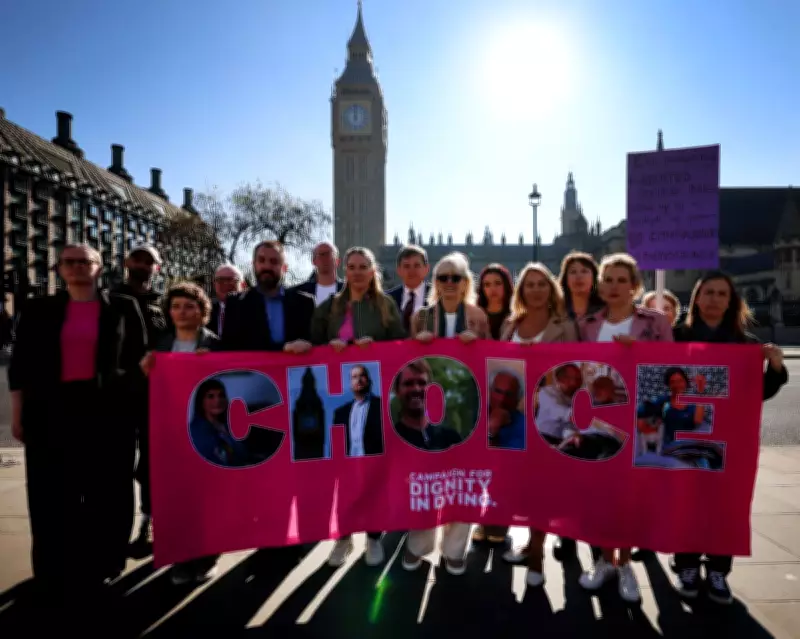
Assisted dying campaigners have called on Parliament to act on public opinion following England's first citizens' jury on the issue. The Nuffield Council on Bioethics, which commissioned the jury, emphasised that public views must be central to the debate.
Citizens' Jury Findings
Over eight weeks, 30 jurors representing the demographic makeup of England heard evidence from experts and deliberated on assisted dying. The final vote concluded that the law should be changed to permit terminally ill adults with capacity to access an assisted death. Jurors stressed the need for safeguards to prevent abuse and protect vulnerable people, and called for ongoing public engagement on death, dying, and end-of-life care.
Call for Broader Debate
Libby Sallnow and Richard Smith, co-chairs of the Lancet Commission on the Value of Death, supported the idea of a citizens' assembly but argued it should go beyond assisted dying. They noted that industrial societies like the UK have a diminishing capacity to deal with death, which is increasingly medicalised. They believe a citizens' assembly could help rebalance society's relationship with death.

Patient Perspective
Dr Pamela Fisher, a terminally ill woman, expressed dismay at calls for further deliberation. She stated that for people like her with limited time, such calls represent yet another delay. She urged Parliament to act, highlighting that every month of delay denies dying people autonomy and forces families into traumatic endings.
The debate continues as another private member's bill on assisted dying may appear after the king's speech. The Nuffield Council urges Parliament to engage with existing independent evidence on public views, including from the citizens' jury.






