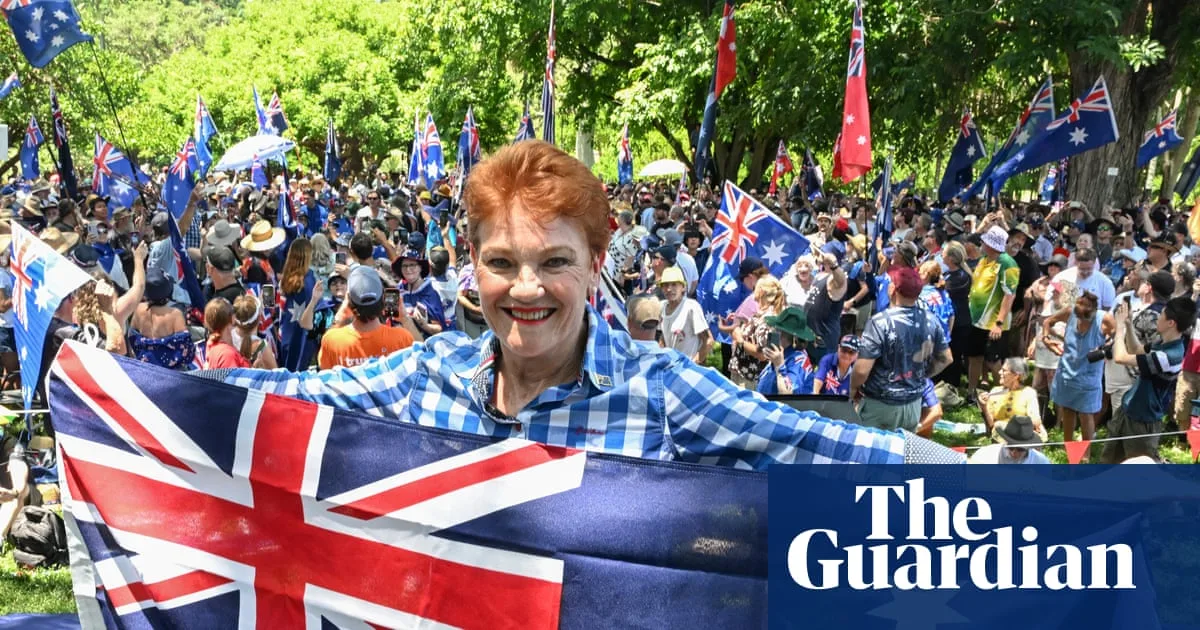
One Nation Surges in South Australia Election, Poised to Claim Multiple Seats
One Nation Surges in SA Election, Poised for Multiple Seats

One Nation Achieves Historic Breakthrough in South Australian Election

In a dramatic political realignment, One Nation is on track to claim up to four seats in South Australia's lower house following a statewide surge that saw the party finish second in total primary votes. This remarkable result comes as the Liberal vote collapsed spectacularly, marking the party's best performance at a state election in nearly three decades.

Landslide Victory for Labor Amid Liberal Implosion

Labor has cruised to re-election with a commanding victory, securing at least 32 of the 47 lower-house seats. This landslide stems directly from the Liberal Party's dramatic implosion, with the conservative opposition projected to win just five seats. The result represents a major shake-up in South Australian politics, positioning One Nation as Labor's key opposition in crucial swing seats.

One Nation achieved an impressive 22 percent of the primary vote statewide and finished in the top two positions in approximately half of all electorates. The party now leads in four key constituencies, though preference flows will ultimately determine the final outcomes.

Wide Pickt banner — collaborative shopping lists app for Telegram, phone mockup with grocery list

Key Battlegrounds and Narrow Margins

In Ngadjuri, One Nation candidate David Parton has seized the lead with 34.5 percent of the primary vote, ahead of Labor's Tony Piccolo on 28.9 percent, while the Liberals trail at 26.1 percent. The party is also poised to win Hammond decisively, where Robert Royalnce holds a commanding 54.1 percent of the two-party-preferred vote.

Two additional seats, MacKillop and Narungga, remain on a knife's edge with One Nation candidates clinging to leads of only a few hundred votes. Labor swept metropolitan and suburban electorates including Colton, Morialta and Hartley, where former Liberal leader Vincent Tarzia lost his seat.

Historic Liberal Strongholds Fall to Labor

Even long-held Liberal bastions such as Unley fell to a disciplined Labor team led by Premier Peter Malinauskas, who acknowledged the significant political volatility reflected in the election results. "I think one of those things is that in a world of serious volatility, we see that play itself out at the ballot box locally," Malinauskas stated.

In regional South Australia, One Nation's surge amplified the collapse in Liberal support, though in a surprising twist, Labor preferences may ultimately save some Liberal seats. The Liberals' decision to preference One Nation above Labor may come back to haunt them, with Pauline Hanson declaring at her party's celebration that she had left a series of "landmines" for the Premier.

Upper House Transformation and Future Implications

In the Upper House, One Nation is positioned to secure up to three seats, establishing the party as a major force in a chamber where Labor will fall short of a majority. Former Liberal senator Cory Bernardi has secured an Upper House seat for One Nation alongside Carlos Quaremba, with Rebecca Hewett favored to claim the party's third seat.

The Liberals have won just two Upper House seats, while Labor has secured four and the Greens one. One Nation now views its South Australian breakthrough as a springboard for upcoming contests including the Victorian state election and the federal Farrer by-election.

Political Earthquake Rattles Traditional Party System

Cory Bernardi described the election as a political earthquake that has rattled the foundations of South Australia's traditional party system. "There's a movement, there's an undercurrent and it's people saying we've had a gutful," Hanson told Sky News. "We want our country back. We want to have a voice."

Liberal leader Ashton Hurn has retained her Barossa Valley seat and will remain as party leader despite the devastating defeat. Federal Liberal senator Anne Ruston acknowledged the party had received a clear and "sobering" message, warning that the Liberals could not win by shifting further right or left.

Historical Context and Expert Analysis

Historically, One Nation has maintained only minimal presence in South Australia, typically drawing around 4 percent of the primary vote. The party's current performance echoes its 1998 Queensland election result when it secured 11 seats in what was then an 89-person parliament, though it now holds no seats in its home state.

Pickt after-article banner — collaborative shopping lists app with family illustration

Flinders University public policy lecturer Josh Sunman noted that the state would need to wait weeks for full results in what he described as one of the most complicated elections the nation has witnessed. "The really significant takeaway is that while One Nation didn't win a massive amount of seats, in the outer metro area in particular, it is now the second party - they are Labor's competitor, not the Liberal Party," Sunman observed.

Speaking in the former Liberal stronghold of Unley, which Labor hadn't held for 32 years, Premier Malinauskas emphasized that no electorate could be considered safe. "This seat now has a margin of over 10 percent for Labor," he remarked as luxury vehicles passed by, symbolizing the dramatic political transformation underway in South Australia.




