

Nepal's Historic Election: 19 Million Vote After Youth Protests
Nepal is holding its first general election since a wave of youth-led protests and 77 deaths forced the previous prime minister to resign, marking a pivotal moment for the Himalayan nation. With nearly 19 million registered voters, polling commenced at 7am local time under extensive security measures, as the country grapples with decades of political instability, economic struggles, and corruption.
Key Political Figures and Campaign Focus
The election features prominent candidates such as former Prime Minister K.P. Sharma Oli, political veteran Gagan Thapa, and the rapper-turned-politician Balendra Shah, whose Rastriya Swatantra Party (RSP) is considered a frontrunner. The campaign has largely centered on addressing critical issues like unemployment, corruption, and governance, which were central to the September protests that sparked this electoral process.
Voting Process and Security Measures
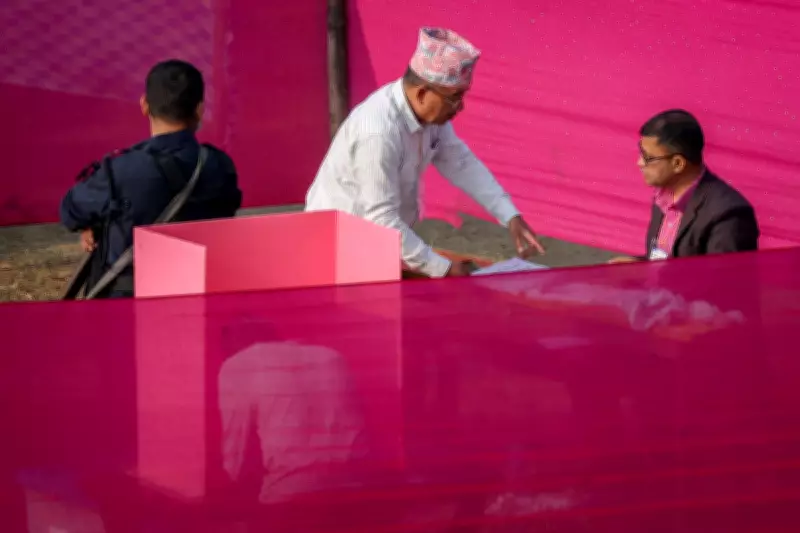
Voting began early in the morning with heightened security across the nation to ensure a smooth and safe process. Authorities have implemented robust measures to prevent disruptions, given the tense political climate following the recent unrest. The large voter turnout reflects widespread public engagement in shaping Nepal's future direction.

Anticipated Results and Potential Outcomes
Early results from the election are expected by Friday, but full outcomes could take over a week to be finalized. Analysts are warning of potential unrest if the aspirations of the youth, who were instrumental in the protests, are not adequately addressed by the new government. This election is seen as a crucial test for Nepal's democracy and its ability to respond to public demands for change.






