Moderate Democrats Plot Path to Victory by Winning the Middle
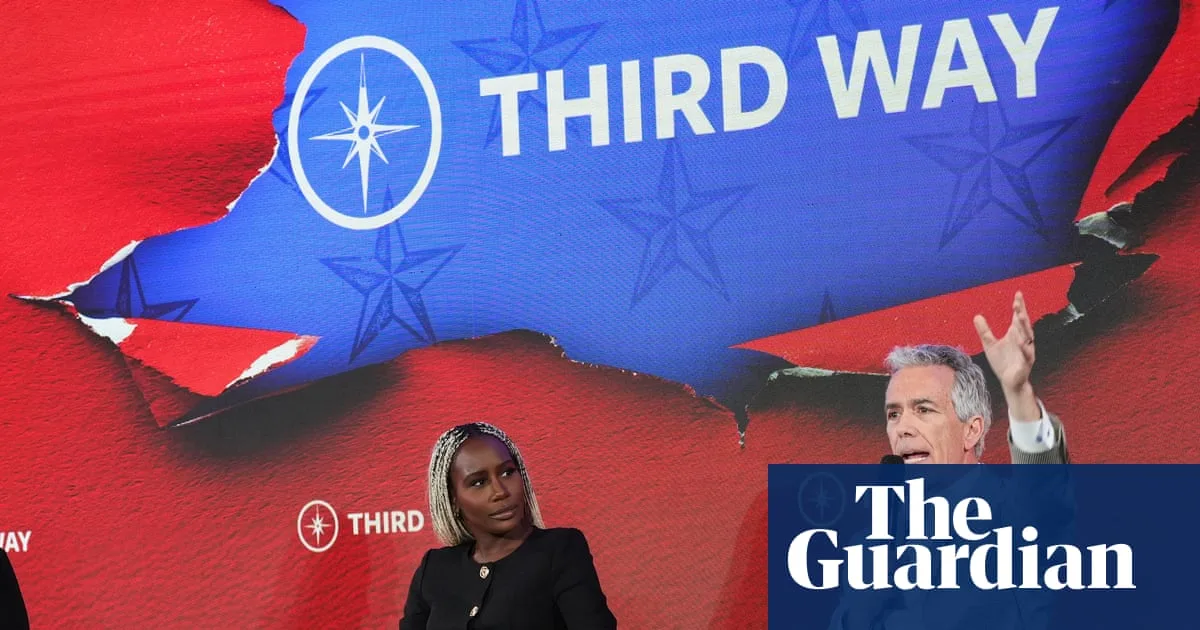
At the Third Way conference in Charleston, South Carolina, centrist Democrats gathered to debate ways to secure electoral success, firmly believing that the key lies in capturing the middle ground of the American electorate. The event, titled "Winning the Middle," brought together Democratic operatives, funders, and elected officials, many of whom are alumni of the Clinton and Biden administrations, to address concerns that progressive policies may have contributed to Kamala Harris's loss in the 2024 election.
Frustration Over Democratic Messaging
Former Republican congressman Joe Walsh, who left the GOP over Donald Trump, expressed intense frustration with how Democrats communicate with voters. "Tone! My God!" Walsh exclaimed, nearly jumping out of his seat. "The Democrats come across as, like, professors, academics, elites. I mean, my God, rip off your freaking sport coat and talk to me! Listen to me like a regular human being." His outburst highlighted a broader anxiety among moderates that the party's language and approach are alienating key voter groups.
Analyzing the 2024 Election Loss
The Democratic National Committee has kept its autopsy of the 2024 election private, labeling it a "distraction" amid expectations of midterm gains. In contrast, the progressive group RootsAction released a postmortem in December, arguing that courting the middle while failing to strongly criticize Israel's actions in Gaza turned off liberal and working-class voters, leading to a historic drop in turnout. Moderate activists at the conference also pointed to the loss of support among voters without college degrees and the working class, though they disagreed on the causes and solutions.
The Impact of Language and Framing
Discussions at the conference frequently touched on how "therapy-speak" and "organizer jargon" are driving away moderate voters. Participants argued that terms like "land acknowledgements," "birthing person," and "justice-involved persons" are pushing the middle away from the Democratic brand. Melissa Morales, founder of the Latino voter outreach group Somos Votantes, illustrated this by noting how framing the child tax credit as a way to "lift" 40% of Latino children out of poverty reduced support among Latino voters. Instead, presenting it as a tool for working parents to care for their families increased backing and boosted perceptions that Democrats care about people like them.
Economic Concerns and Voter Sentiment
Affordability emerged as a dominant theme, with consultants joking about using the word more than their children's names. Matt Morrison, executive director of Working America, reported that rising costs are the top issue for voters in competitive congressional districts, transcending party lines. Angie Kuefler, a researcher at polling firm GSG, added that voters feel the system is broken and prioritize paying bills over political ideology. Lanae Erickson, a senior vice-president at Third Way, linked this dissatisfaction to incumbency, noting that voters seek fighters who can deliver tangible results to improve their lives.
Defining Moderation in Polarized Times
Jon Cowan, president of Third Way, emphasized that Democrats must define themselves as moderates to counter charges of being leftwing radicals. "If Democrats believe that, we're going to lose. It is total horseshit," he said, urging candidates in red and purple areas to position themselves as normies. The challenge of defining the middle was underscored by recent events, such as Trump's military actions in Iran, which sparked debate among attendees. Michigan state representatives Jennifer Conlin and Joey Andrews discussed moderate positions, with Conlin advocating for congressional consultation and Andrews cautioning against defending Iran while criticizing the administration's planning.
Substance Over Style
Walsh concluded by stressing the need for Democrats to address both affordability and existential threats to democracy. "This guy in the White House is a fascist. This is unprecedented. He's the very thing our founders feared. And if Democrats can't talk about both – like, can our democracy survive and beef costs too much – if a candidate can't speak to both of those ... don't run." The conference highlighted a consensus that while substance is crucial, effective communication style is equally vital for winning over the middle in future elections.






